
 Business License

Logistics Storage Rack: Optimize Your Storage Solutions
The right logistics storage rack system provides essential support for inventory management and space optimization and operational process control. Efficient storage solutions create direct benefits for productivity and cost management and total success of operations in both small warehouses and large distribution centers. The article explains methods to create better access points and maximize storage capacity and design rack systems that fulfill your business requirements. The presentation will provide you with the necessary knowledge to improve your storage system through rack selection and functional enhancement methods. Find more info now.
Introduction
Importance of Efficient Storage in Modern Logistics
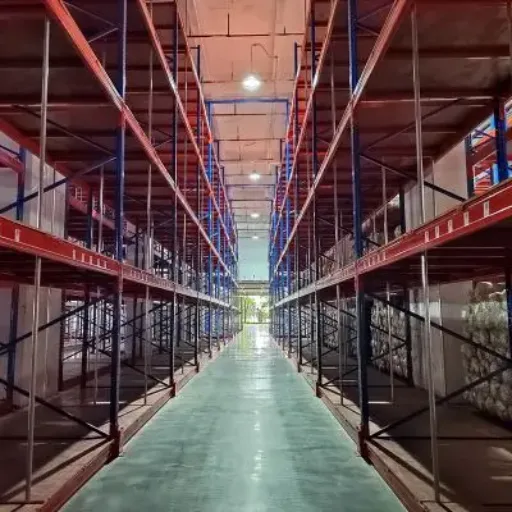
The way storage solutions work determines logistics system operations because storage solutions directly affect both productivity and customer experience and operational costs. E-commerce demand has been rising while global supply chains have become more intricate thus businesses must establish enhanced storage systems to address this urgent requirement. The global warehouse management system market will reach $5.72 billion by 2030 according to current market projections which estimate a 15.3 percent compound annual growth rate from 2023 until 2030. The industry focus on streamlined storage operations demonstrates its commitment to improving inventory tracking capabilities.
The implementation of efficient storage systems leads to shorter periods needed for product retrieval while they enhance space usage and ensure correct inventory management. Advanced racking systems such as mobile shelving and vertical lift modules enable warehouses to achieve maximum floor space because these systems allow businesses to store additional inventory without needing to expand their physical space. The market has embraced automated solutions which combine robotics and IoT-enabled inventory systems because these systems enable businesses to monitor their operations in real time while reducing process errors and enhancing their order processing capabilities.
Overview of Logistics Storage Racks
Logistics storage racks function as vital elements which enable modern warehouses and distribution centers to achieve better space efficiency and inventory control and operational productivity. The systems provide organized storage facilities which enable easier access to stored items while decreasing the time needed to complete order processing tasks. The most common warehouse storage rack types include pallet racks and cantilever racks as well as drive-in/drive-thru racks and flow racks which serve different warehouse requirements.
The global warehouse racking market will experience strong growth because of e-commerce expansion and rising consumer needs for efficient storage systems according to current industry assessments. The warehouse racking market will achieve a value of $10.4 billion by 2027 according to a Markets and Markets report which estimates a 5.8 percent compound annual growth rate from 2022 until 2027. The implementation of advanced racking systems which include automated storage and retrieval systems (ASRS) allows facilities to achieve storage capacity increases of 30 percent beyond what traditional methods provide according to industry research findings.
Types of Storage Racks
Selective Storage Racks
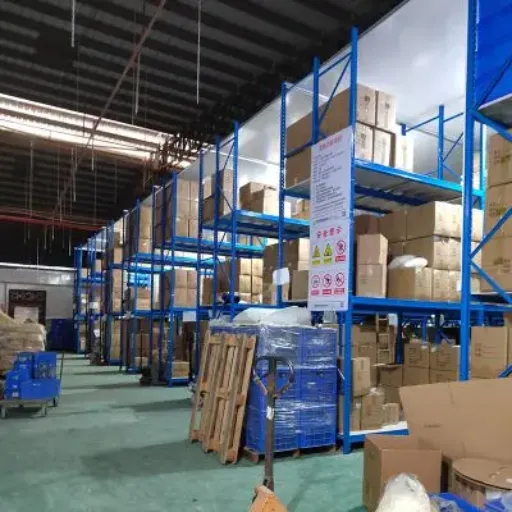
Warehouses operate their primary racking system through selective storage racks which provide easy operation and flexible design and cost-effective solution. The racks enable complete access to all pallets which makes them suitable for locations that experience constant inventory movement. The industry research indicates that selective racks can operate with both single-deep and double-deep storage systems. The single-deep selective racks enable total accessibility which benefits warehouses that need to store different types of products, while double-deep racks increase storage capacity by 40 percent, but they need special forklifts to take out pallets.
The racks provide compatibility with various pallet sizes and uses, which leads to their widespread adoption by multiple industries, including retail and food and beverage and manufacturing. The modular design of selective racks allows for simple reconfiguration to meet new storage requirements, which provides businesses with long-term benefits and capacity to grow.
Drive-In and Drive-Through Racks
Drive-in and drive-through racks offer high-density storage solutions designed for applications where maximizing space utilization is critical. The system allows forklifts to move inside the rack system for pallet handling which results in reduced aisle space requirements and increased storage capacity. Drive-in racks use the Last-In-First-Out (LIFO) system for their operations, while drive-through racks implement First-In-First-Out (FIFO) inventory management to meet different inventory turnover needs.
Drive-in racks provide storage space efficiency improvements of up to 75 percent when compared to traditional pallet racking systems because they remove the requirement for dedicated walking paths between storage units. The system works best for cold storage facilities and food distribution centers and warehouse functions that require maximum space efficiency. Drive-through racks enable operators to access their equipment from both directions, which results in faster pallet operations during periods of high volume work.
Pallet Flow Racks
Pallet flow racks, which people also call gravity flow racks, operate their storage system through first-in first-out (FIFO) procedures which depend on their slanted tracks and roller systems to transport pallets. The system uses gravitational force to operate its automatic sliding mechanism, which moves pallets to the picking area after the previous load has been taken off the system. The pharmaceutical industry and food and beverage sector and retail sector all benefit from pallet flow racks because the system provides high-density storage and smooth stock rotation capabilities.
Pallet flow racks enable storage facilities to achieve maximum space utilization because the system allows efficient stock retrieval through organized storage methods. The industry data shows that these racks can achieve space utilization improvements of up to 60% when compared to standard selective racking systems. The system cuts down on handling time because forklifts operate by loading pallets from one side while unloading them through the opposite side which reduces travel distance and improves work efficiency.
Building Your Storage Rack System
Factors to Consider When Building Your Storage Rack System
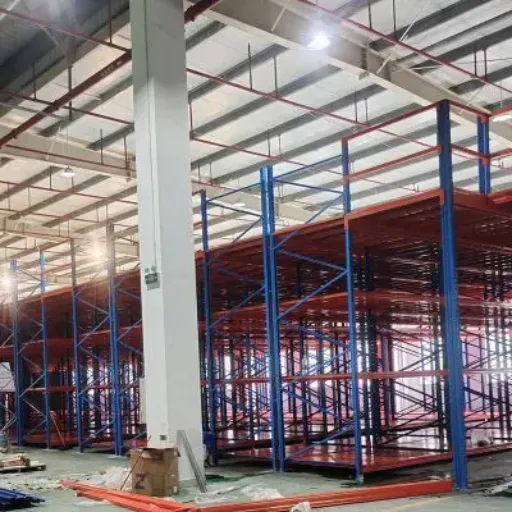
Storage Requirements and Inventory Characteristics
You need to assess your storage requirements through assessment of your item specifications which include its type and its dimensions and its weight. Different racks are suited for various inventory types; for instance, pallet racks work well for heavy goods, while cantilever racks are ideal for long and irregularly shaped items. Recent industry data shows that warehouses experience an operational efficiency loss of up to 20 percent when their storage systems fail to meet their actual inventory requirements.
Available Space and Floor Layout
Your warehouse layout evaluation will enable you to identify which racking system configuration works best. Drive-in and pallet flow racks serve as high-density storage solutions which optimize vertical storage while minimizing required space. Studies show that efficient use of vertical space can increase storage capacity by up to 40%.
Weight Capacity and Rack Load Limits
The practice of exceeding rack system weight limits creates hazardous conditions which endanger people. The racks you choose must have design features that enable them to support your maximum load requirements. Modern systems often provide load capacity ratings, and it’s critical to adhere to these specifications. Overloaded racks in workplaces create dangerous situations which lead to thousands of annual accidents according to OSHA guidelines.
Accessibility and Workflow Optimization
You should evaluate the item retrieval and storage process for its convenience. High accessibility is achieved through selective pallet racks, while drive-through racks support FIFO (First-In-First-Out) inventory operations. The system operates at optimal efficiency because it decreases picker travel distances by up to 30 percent.
Custom vs. Pre-Designed Racks
Custom Racks
The custom rack system uses design elements which match the specific needs of your warehouse space and its inventory types and operational functions. The solution provides flexibility for better space utilization which leads to more efficient operational processes. A custom rack system allows you to design a solution which will fit your warehouse requirements for handling oversized and irregularly shaped items. Research shows that custom racks designed for specific operational needs can improve efficiency by 40 percent because they eliminate wasted space and provide direct access to stored items. Custom racks require more money to set up because their production process needs extended time to create their specialized design.
Pre-Designed Racks
Businesses can purchase pre-designed racks at lower prices because these products come in fixed sizes and standard configurations. The system works best for warehouses that handle simple inventory processes without needing any customization. The main benefits of pre-designed racks lie in their cost-efficiency and shorter procurement time. The latest industry research shows that businesses which choose pre-designed rack systems will experience a 25 percent decrease in their initial setup expenses. The systems create difficulties when used in warehouses which need to frequently adapt their layout because of changing inventory requirements.
Access and Space Optimization
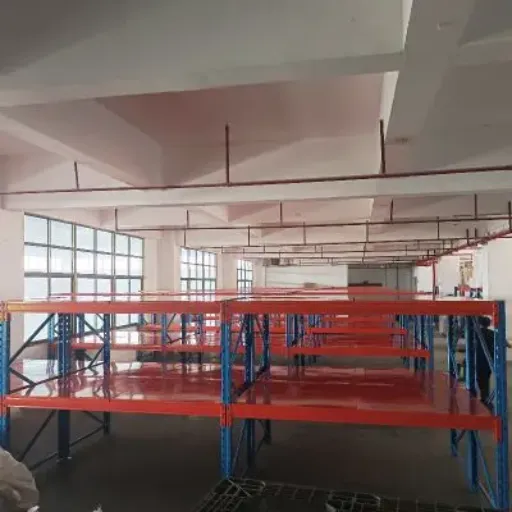
Maximizing Vertical Space
Your storage facility will achieve better efficiency through vertical space utilization which helps to meet increasing inventory requirements. The restricted physical space which businesses operate requires them to adopt vertical storage solutions as their primary storage method according to recent research which demonstrates this technique enables a 40 percent increase in storage capacity. Vertical storage solutions which consist of vertical shelving units and mezzanine systems and automated storage systems (ASRS) enable businesses to use their entire storage capacity.
The industries that depend on pallet racking systems can create more warehouse space through high-rise racks which extend beyond 20 feet because this system makes better use of warehouse ceiling space. Businesses can use adjustable shelving systems which offer flexible designs to manage their various inventory needs. Vertical storage solutions which are properly configured enable better accessibility while they provide less time for item retrieval and faster operational processes. Companies can achieve operational efficiency through these innovations when they implement proper equipment such as forklifts and vertical lifts which allow them to operate at low costs while preparing for future requirements.
Improving Accessibility for Safety and Efficiency
Warehouse accessibility helps organizations achieve two important goals which are safe working conditions and efficient business operations. The research shows that workplace ergonomic improvements together with design simplifications create major work-related injury reductions. The research demonstrates that using dedicated pathways together with clearly designated pedestrian and vehicle zones reduces accident risk by up to 25%. Automated solutions which include conveyors and picking systems reduce the need for manual labor because they create less physical work for employees and enable them to produce more work.
Real-time inventory tracking systems enhance accessibility through their ability to show exact product locations which help to decrease retrieval time by 30 percent. Wide aisles together with adequate lighting create safe operating conditions which enable employees to move freely without encountering hazards from other workers or making errors. The creation of an organized workspace which is easy to access enables businesses to protect their employees while they streamline operations which leads to cost savings and enhanced operational performance.
Safety Considerations for Storage Racks
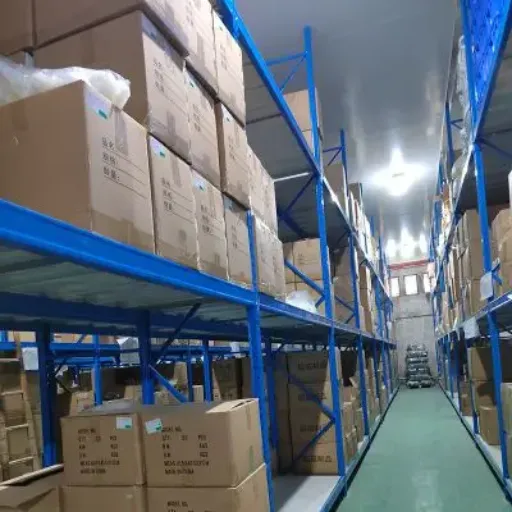
Compliance with Safety Standards
The complete warehouse operations need to follow the established safety regulations for storage racks because these regulations create a secure work environment which protects workers and prevents loss of products. The Operational Safety and Health Administration together with the Rack Manufacturers Institute maintain strict requirements which govern storage rack systems from their design phase through their installation process to their operational period. OSHA requires proper anchoring systems to stop racks from tipping while RMI standards mandate load capacity labels which prevent overloading because overloading constitutes the main reason racks fail.
The 2023 report shows that warehouses using RMI-compliant storage systems achieved a 32% decrease in rack-related incidents which occurred over a five-year period. Standard compliance with ANSI MH16.1 enables engineers to design storage racks which can endure seismic activity making this capability necessary for regions that experience earthquakes. The businesses which execute safety measures through their ongoing inspections and upkeep of storage racks showed operational boosts of 21% because these methods helped them maintain business operations.
Regular Maintenance and Inspections
The operational efficiency of a workplace depends on both its safety hazards and its operational efficiency problems which require maintenance and inspection activities to operate effectively. Companies that establish scheduled maintenance programs see their equipment downtime decrease by 25% while their assets experience a lifespan increase of 30%. Regular machine and shelving system inspections together with storage space evaluations enable businesses to identify upcoming equipment problems before they result in major operational issues.
The maintenance process achieves improved performance through organizations using proactive inspection checklists for their operations. The checklist needs to assess load capacities, check for equipment corrosion or damage through machinery examination, and verify operational effectiveness of all safety systems. The term "preventative maintenance checklist" has become more popular because people now recognize its value for maintaining safety procedures as shown by a 15% increase in search volume during the past year.
Frequently Asked Questions (FAQs)
What is the required depth of storage rack shelves which will be used to store pallets?
Storage rack shelf depth requirements depend on their specific use cases because standard pallet racking needs 40 to 48 inches of depth to support pallet sizes while light-duty shelves need shorter depths. The two-way deep racking system requires users to measure pallets together with aisle width to determine its exact deep dimension. Your maximum load size requires measurement plus you need to create space for equipment used to handle that load.
Can I pack small parts on a storage rack shelf safely?
Small parts can be stored safely on storage rack shelves when users choose to use bins or dividers to organize their items or they select shelving accessories which provide parts storage solutions. The system achieves better inventory control through labeled containers together with a bin organizer tool which makes it easier to access items. The shelf load rating needs to stay within limits while users should position heavier bins onto bottom shelf sections for their own protection.
Are there new storage rack designs that save space in deep warehouses?
Modern storage rack systems use mobile racking systems together with drive-in and drive-through systems and automated deep-lane solutions to achieve vertical and cubic space optimization. The innovations reduce aisle space while they enhance storage capacity which proves especially beneficial for deep warehouses. A racking specialist should help you select a new system which fits your facility’s operational needs and safety standards.
Where can I buy replacement parts or a complete pack for my storage rack shelf?
The complete storage rack shelf pack together with its replacement parts can be found at industrial suppliers and specialty racking manufacturers and major marketplaces which include amazon.com. The pack and component purchase needs verification of compatibility through checking both beam length and upright thickness and connection type which should only occur at trustworthy vendors.
What tools are required to assemble a storage rack shelf pack?
The essential tools required for constructing a storage rack shelf pack include a rubber mallet and socket wrench set and level and tape measure together with safety equipment which includes gloves and steel-toe shoes. Basic tools are sufficient for systems which need clip-in beams while heavy-duty racks function through a combination of bolts and torque wrenches. The manufacturer instructions together with heavy component movement requirements should be followed by personnel.
How do I calculate load capacity for a deep storage rack shelf?
To calculate load capacity first determine the weight per shelf by dividing total load into the total number of shelves then compare that result against the load capacity which the manufacturer has established for beam spans and upright frames. Forklift operations create dynamic loads which have different impacts than the concentrated loads which occur when pallets are loaded. You should seek expert advice from an engineer or rack manufacturer if your safety concerns require verification of local regulation compliance.
What safety tips should be followed when stocking and packing a storage rack shelf?
The safety tips require users to distribute weight through the whole area while they should place their heaviest items onto lower shelves and they need to secure tall stacks and deep stacks through pallet safety clips or straps plus they must keep all aisle areas free from obstruction. Regular inspections must be performed to identify rack damage which needs to be fixed through replacing bent beams and load signage must remain visible throughout the process. The training program needs to teach staff members about safe packing procedures and proper methods for using lifting equipment which will help to reduce the risk of accidents.
Recently Posted
-
Logistics Metal Cages and Pallets: Revolutionizing Material Handling in Supply Chains
March 11, 2026The success of a supply chain operation depends on its capacity to handle materials efficiently. The industry sector needs to enha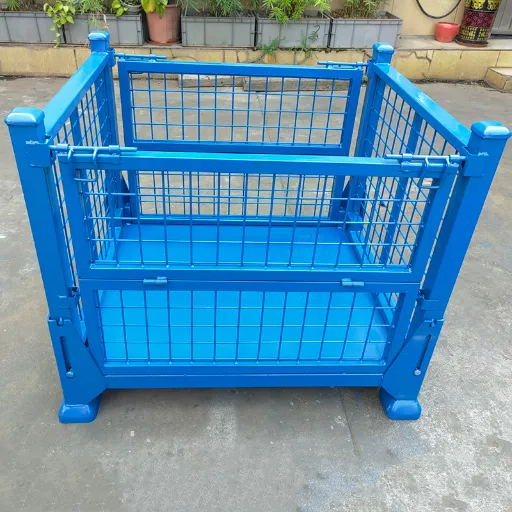 Read More
 -
Warehouse Rack & Metal Shelving: Effective Storage Solutions for Pallet
March 10, 2026Effective storage solutions underpin any well-organized warehouse or industrial facility. As the demand for streamlined operations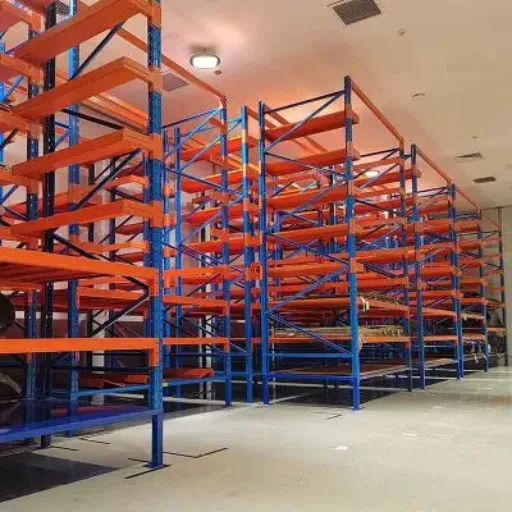 Read More
 -
Gravity Flow Racking: FIFO Carton Flow Shelve Systems
March 10, 2026Proper inventory management is the key to any successful warehouse operation, which is why choosing the right storage solutions is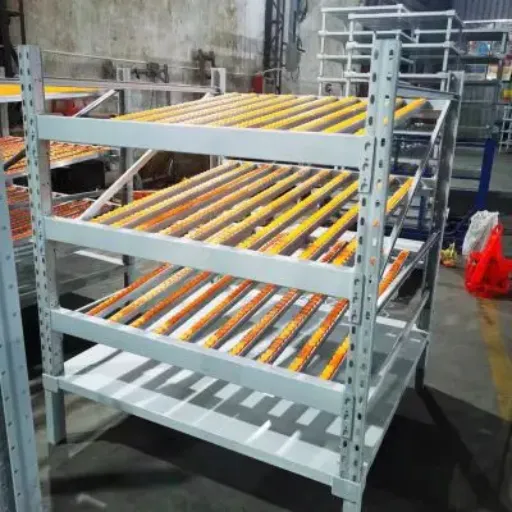 Read More
 -
Portable Stackable Pallet Rack for Warehouse Storage: Optimize Your Space
March 10, 2026For every warehouse or industrial facility some of the aims are to make sure storage spaces are the largest and arranged in the mo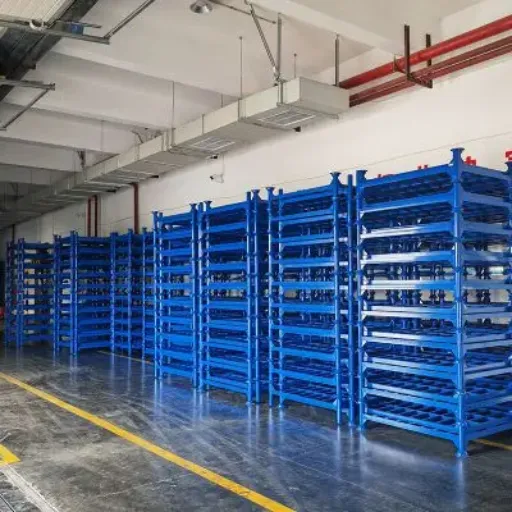 Read More

Contact Us
Recommended Products
-
 Robust Drive-in Pallet Racking for High-Density Warehouse StorageNegotiableMOQ: 1 Kilogram
 -
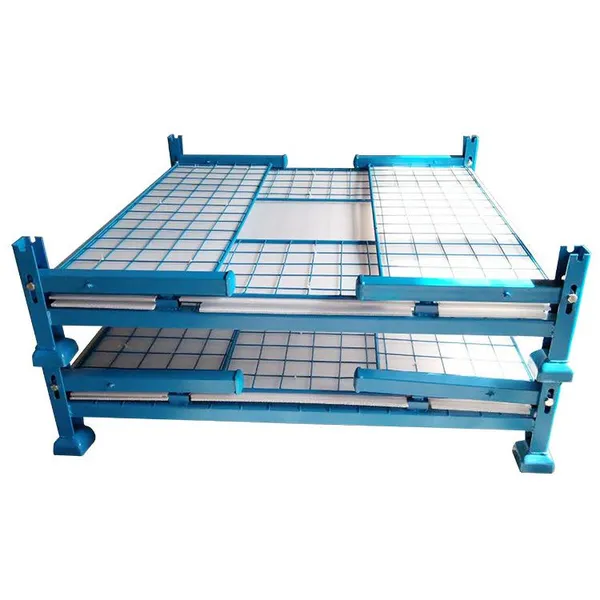
Corrosion-Resistant Metal Stacking Racks for Chemical Plant UseNegotiableMOQ: 500 Sets
-
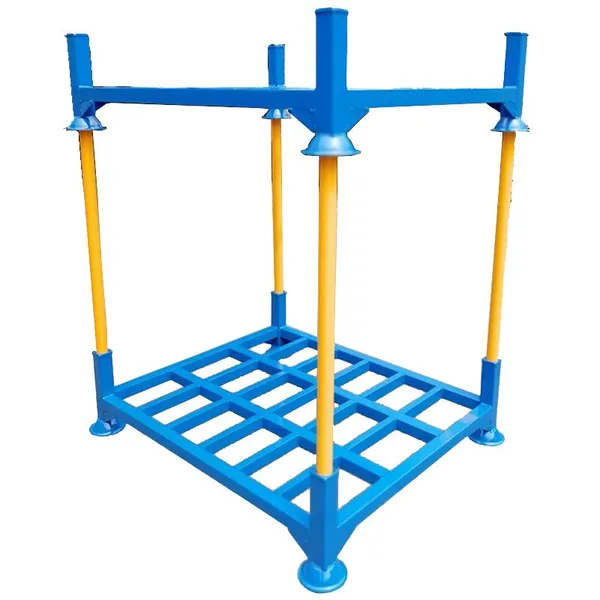
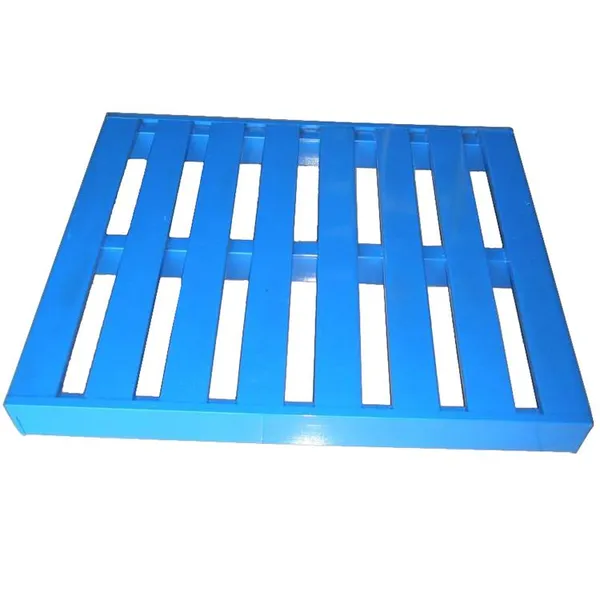
Stackable Steel Pallets Space Saving Metal Pallet for Industrial Warehouse ManagementNegotiableMOQ: 100 Pieces
-
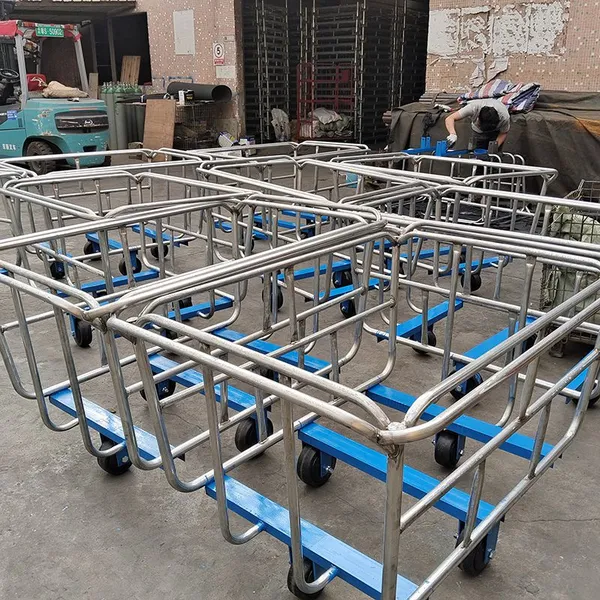
Industrial Steel Mesh Trolley With Reinforced Frame for Laundry and Garment FactoriesNegotiableMOQ: 500 Sets
-
Heavy Duty Wire Mesh Cage With 2mm Wire Diameter for Construction UseNegotiableMOQ: 50 Sets
-
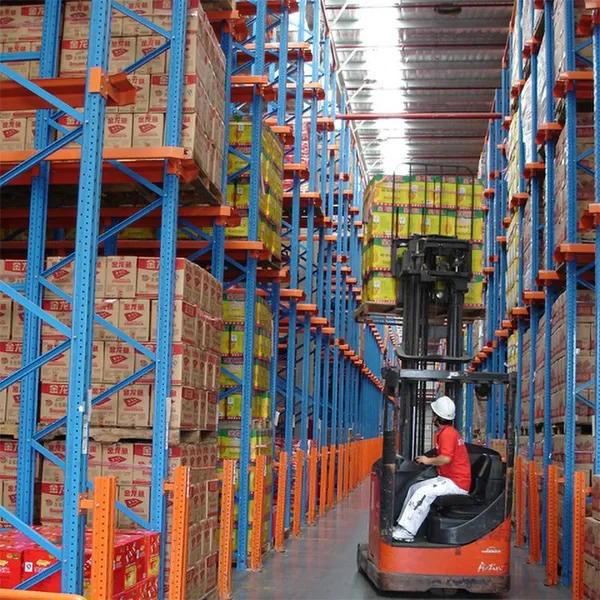
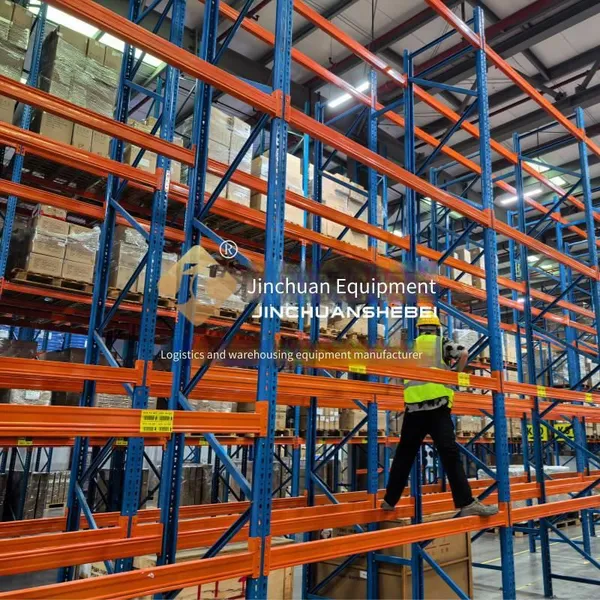
Jinchuan Steel Beam-type Shelves - Universal, Efficient, Random Access, High-level Heavy-duty Storage Racks With Customizable SizesUS$ 90.77 - 92.31MOQ: 10 Sets
-
Multi-Purpose Stackable Plastic Storage Bins for Warehouse and Farm ApplicationsNegotiableMOQ: 10 Sets
-
Steel Textile Roll Storage Rack for Carpet and Warehouse OrganizationNegotiableMOQ: 100 Sets
-
Stackable Storage Cage for Pharmaceutical Warehouse ComplianceNegotiableMOQ: 50 Sets
-
Industrial Metal Stacking Racks for Automotive Parts StorageNegotiableMOQ: 500 Sets
-
Custom Sized Wire Mesh Cage for Industrial Parts and Tool OrganizationNegotiableMOQ: 50 Sets
-
Standard Compliant Wire Mesh Cage With Mill Test Report for Quality AssuranceNegotiableMOQ: 50 Sets
-
Jinchuan Non-standard Steel Lean Tube Trolley, Flexible Customization, Strong Adaptability, Easy Assembly, Flexible TransformationUS$ 121.54 - 123.08MOQ: 10
-
Jinchuan Non-standard Agv Steel Pallet Buffer Storage Rack, Intelligent Docking, Efficient Circulation, Flexible Buffering, Reducing Manual HandlingUS$ 121.54 - 123.08MOQ: 50 Sets
-
Jinchuan Steel Ctu Material Box Robot Shelving With Adjustable Layer Height, Suitable for High-density Storage of Small Items in Multiple CategoriesUS$ 136.92 - 138.46MOQ: 10 Sets
-
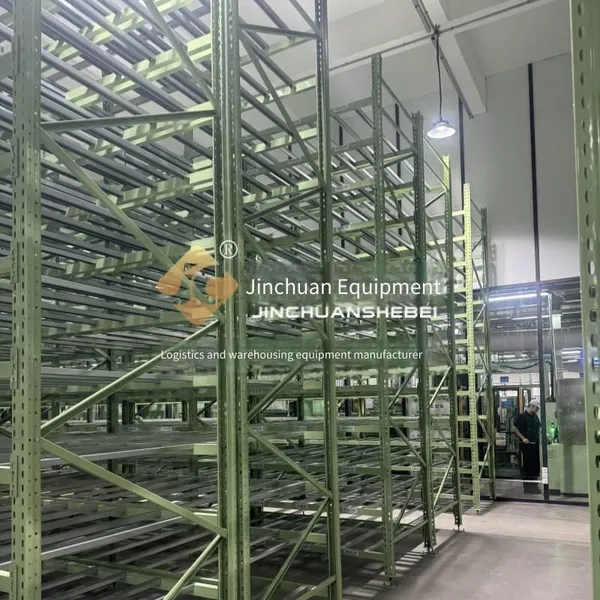
Jinchuan Warehouse High - Rise Stereo Warehouse Shelves, Intelligent Collaboration, Automated and Efficient Operation, Heavy - Load and Stable, Safe and ReliableUS$ 121.54 - 123.08MOQ: 10 Sets
-
Heavy-Duty Industrial Profile Stacking Cart, Galvanized Steel Rolling Trolley for Aluminum Extrusion TransportNegotiableMOQ: 10 Pieces
-
Jinchuan Steel Heavy-duty Shuttle Rack With Flexible Storage Mode for Automatic Goods Access and Remote ControlUS$ 121.54 - 123.08MOQ: 10 Sets
-
Aluminum Alloy Logistics Trolley for Warehouse & ManufacturingNegotiableMOQ: 10 Sets
-
Heavy-Duty Warehouse Storage Racks for Robot Systems - Metal ConstructionNegotiableMOQ: 50 Pieces