
 Business License

Logistics Cage Cart: Enhancing Warehouse Efficiency
Modern warehouse operations depend on two essential requirements which include efficient material handling and secure material handling methods. The need for dependable process optimization tools has become essential because warehouses now handle multiple types of products while needing to complete their work at higher speeds. The logistics cage cart serves as a vital equipment which facilitates efficient warehouse operations through its multiple functions that help with product movement and storage and safeguarding of items. This article explains how logistics cage carts improve warehouse operations by describing their main features and advantages and their ability to bring positive changes to your business operations. The guide offers crucial information which will assist you in making informed decisions about your material handling operations whether your goal is to enhance workflow efficiency or to strengthen security measures. Find more info now.
Current Trends in Material Handling
Challenges Facing Logistics Managers
Logistics managers today face a dynamic and increasingly complex set of challenges as they strive to meet growing demands in supply chain operations. The transportation sector battles its most critical issue because its operational costs show constant upward movement. According to recent industry data global shipping rates have surged by over 170% since 2019 because fuel price volatility and pandemic-related disruptions and a mismatch between supply and demand in freight capacity brought about this situation.
Businesses face inventory management as their second most important operational challenge to resolve. The process of maintaining proper inventory levels has become extremely difficult for businesses because they need to meet customer demands while reducing inventory costs. Logistical operations face a major challenge because more than half of workforce members in the industry encounter inventory planning difficulties which arise from market conditions and seasonal shifts and international events.
Innovative Solutions in Warehouse Operations
The evolution of warehouse operations has been marked by the adoption of innovative technologies and practices that improve efficiency and accuracy. The integration of automation and robotics stands as the most significant technological advancement which has emerged during recent years. Organizations use automated guided vehicles (AGVs) and autonomous mobile robots (AMRs) and robotic arms because these systems enhance their inventory management and picking and packing processes. The global warehouse automation market will increase from $29.6 billion in 2022 to $69 billion by 2027 according to a 2023 MarketsandMarkets report which shows the industry transition towards technological solutions.
Artificial intelligence (AI) and machine learning (ML) represent a promising approach which improves warehouse operations through their management optimization capabilities. The AI algorithms use real-time data analysis to predict demand and improve inventory management and space utilization efficiency. Businesses use predictive analytics for restocking because it helps them reduce overstocking by 30 percent while they keep their essential products in stock.
Benefits of Using Logistics Cage Carts
Improved Security with Cage Carts
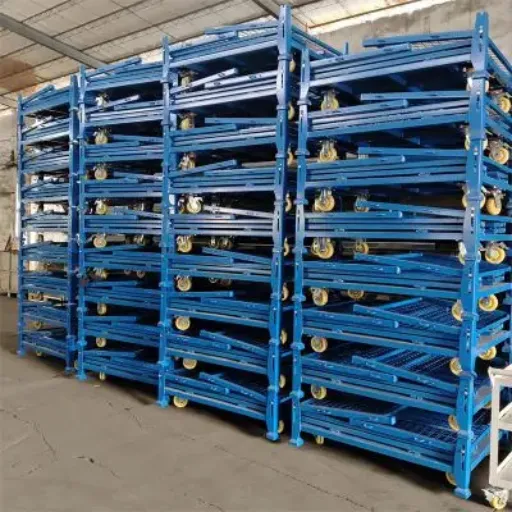
The use of logistics cage carts results in better operational efficiency for companies while it establishes enhanced security protocols which protect the entire warehouse. The carts use strong mesh or steel frame systems to keep their transported goods safe from all potential theft problems. The industry research says that theft and inventory loss problems will drop by 30 percent when companies use cage carts because its enclosed design lets people see what exists inside while creating limits on who can enter the area. Modern cage carts use lockable design elements which ensure protection for critical items against theft and unauthorized access.
The security enhancement becomes essential for protecting valuable items and urgent delivery shipments. Businesses view their storage operations as the most important part of their supply chain process because of two factors that have appeared between e-commerce growth and international trade. The design of cage carts helps businesses improve their inventory control system because workers can visually check inventory items without risking theft which leads to fewer operational mistakes. Cage carts provide complete protection because they combine strong security systems with user-friendly features which enable businesses to manage warehouse operations throughout their entire facility.
Enhanced Organization and Accessibility
Cage carts provide security protection for warehouse and distribution center operations while they support better organization and accessibility throughout these facilities. According to recent data efficient organization can increase operational productivity by up to 20% as workers spend less time searching for items and more time focusing on value-added tasks. The open mesh sides of cage carts allow for easy visual identification of contents which ensures quick access and reduces delays.
The design of collapsible and modular cage carts enables businesses to create flexible storage solutions which support their changing inventory requirements. The supply chain environment requires this adaptability because companies now use JIT inventory systems for their essential operations. Businesses that use cage carts to create modular storage systems achieve a 15 percent reduction in inventory handling time according to industry reports. Organizations can use these innovative tools to create operational efficiency while reducing expenses throughout their entire supply chain process.
Key Features of a Quality Cage Cart
Load Capacity Considerations
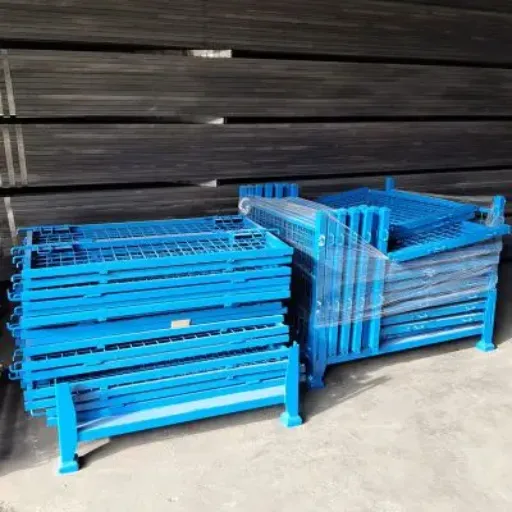
The selection process for a cage cart requires knowledge about its maximum weight capacity because this information determines safe and productive material handling activities. The load capacity of a cage cart typically ranges from 500 lbs to over 1.5 tons depending on the model and the intended application. Heavy-duty cage carts use steel frames which have been reinforced together with large wheels in their design to enable these carts to transport heavy items while staying balanced.
Recent research shows that businesses operating in warehouses and distribution centers have experienced a 20 percent productivity increase after they switched to cage carts which have higher weight capacity. The carts are capable of transporting both bulkier items and larger volumes of goods which enables them to complete their work with fewer required handling operations and product transfers. The shelving systems which can be adjusted or customized have become popular because they let users create weight distribution patterns that help objects stay balanced which improves both efficiency and durability.
Durability and Construction Materials
Cage carts for material handling must be selected based on their durability because this characteristic affects their performance in various operating conditions. The use of high-quality construction materials establishes the fundamental requirements which determine the ability of carts to maintain their functionality under conditions of heavy usage. Cage carts reach their maximum durability when manufacturers produce them from materials that include stainless steel aluminum and reinforced steel. Stainless steel is particularly favored because its corrosion resistance allows it to function in environments which experience moisture and chemical exposure. Studies show that stainless steel products can endure more than 20 years of use when properly maintained which decreases the need for replacement parts.
Reinforced steel serves as the standard material for applications which require operators to move extremely heavy items. The carts maintain their operational capacity because they can support extreme loads through their high tensile strength. Aluminum provides a lightweight solution which remains strong making it suitable for situations that need easy movement. Advanced polymer coatings function as protective layers which enhance durability through their ability to prevent damage caused by scratches impacts and environmental wear.
Optimizing Safety and Efficiency
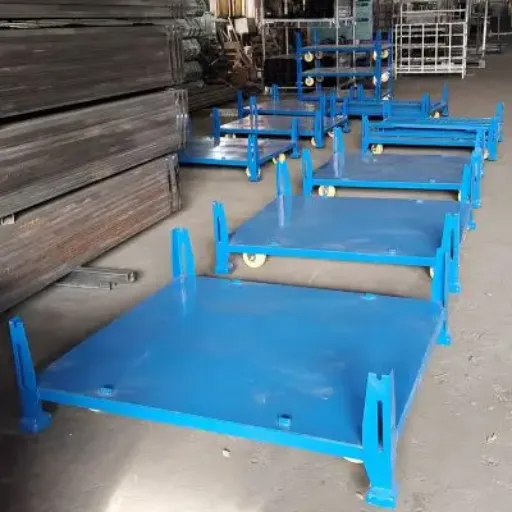
Best Practices for Safe Usage
Load Distribution: The cart should receive weight distribution because it needs weight to balance appropriately and avoid structural damage. The main reason carts cause accidents at workplaces comes from workers who do not distribute weight properly.
Adhere to Weight Limits: Every cage cart has a maximum load capacity. The cart experiences both damage and increased chance of workplace accidents when someone overloads it. According to statistics from OSHA approximately 25% of material handling injuries each year result from workers who handle loaded carts inappropriately.
Inspect Regularly: The organization needs to perform scheduled assessments which help discover issues that include broken welds and damaged wheels and faulty locking systems. The industry reports show that regular maintenance needs to repair costs by 30% or more.
Secure Locking Mechanisms: The cart must have its locking system active at all times when it stays in one position. The use of high-quality locking systems prevents unintended movement which occurs frequently in areas with high pedestrian traffic.
Ergonomic Handling: Employees need training on proper handling techniques which include pushing their carts instead of pulling them to protect their bodies from injuries. The research found that ergonomic methods decrease workplace injuries by 40%.
Integrating Cage Carts with Existing Warehouse Systems
Warehouse systems require both planning protocols and adaptable systems to implement cage cart integration. Modern warehouse systems achieve operational efficiency through the combined use of Warehouse Management Systems and automation technologies and data analytics tools. Existing systems become more efficient when organizations implement cage carts as a material handling solution.
The primary method of operation requires businesses to use WMS software together with cage carts. The business needs to use RFID or barcode systems when tagging their carts because this method enables real-time inventory tracking which decreases mistakes and enhances supply chain visibility. Logistics Bureau research findings show that tracking system implementation enables businesses to achieve 95 percent inventory accuracy through their use of these systems.
Integration requires automation as a tool for enhancement. The company uses autonomous guided vehicles (AGVs) to move cage carts between designated storage spaces and operational stations. The combination of AGVs and cage carts enables companies to decrease their need for manual work while boosting their productivity through operational improvements which lead to more than 20% productivity increases after implementation of these systems.
Conclusion and Call-to-Action
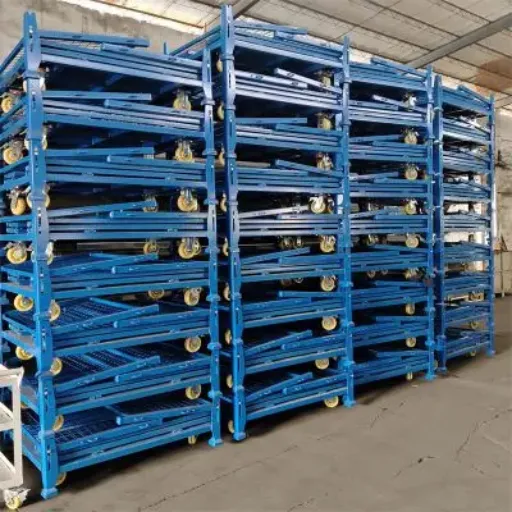
Next Steps for Logistics Managers
Assess Current Operations: Conduct a thorough analysis of the existing workflow to identify bottlenecks and inefficiencies. The study results will reveal the most effective way to implement automated cage carts in your business operations. Industry reports show that more than 60 percent of warehouses which use automation experience decreased order fulfillment times.
Invest in Scalable Technology: Your organization should implement automation systems which offer both flexibility and scalability to match its future operational requirements. Automated cage carts which use RFID technology provide better inventory tracking capabilities that lead to 20 percent annual savings from reduced inventory losses.
Prioritize Employee Training: Your organization must provide training programs which teach employees how to operate and manage automated equipment. The McKinsey study found that warehouses which combine workforce training programs with automation technologies achieve productivity increases of 30 percent.
Enhance Data-Driven Decision Making: The organization should use data analytics tools to track and assess the effectiveness of its newly implemented systems. The analysis of data enables organizations to predict customer demand while they develop the most efficient delivery routes and enhance their inventory management processes.
Focus on Collaboration with Vendors: Your organization should establish partnerships with automation technology vendors who provide comprehensive system solutions. The Gartner study found that organizations which develop automation solutions through close vendor relations achieve operational improvements in 75 percent of their cases.
Where to Purchase Quality Cage Carts
Uline
Uline supplies different types of cage carts to meet various needs across industrial applications. The company delivers products which include heavy-duty steel construction with swivel casters and lockable doors. The base price starts at $300 but customers who buy in bulk can access special discounts.
Grainger
Grainger provides standard cage carts and customizable options which fulfill the requirements of demanding work environments. The company provides products which include ergonomic designs and corrosion-resistant materials and various size options. Current customer reviews demonstrate strong product durability throughout a price range of $350 to $1,200 which varies according to different specifications.
Global Industrial
Global Industrial supplies dependable cage carts which customers use for distribution centers and warehouse operations. The company provides collapsible carts which save space and products that can carry up to 2,000 pounds. The company offers products at competitive prices which begin at $400.
Material Handling USA
The supplier provides high-performance cage carts which meet specific operational needs through customized solutions. The company provides customers with superior support after selling their products while offering businesses custom design services. The common price range for items starts at $500 and ends at $1,500.
Amazon Business
Amazon Business offers various cage carts for small to medium-sized businesses which need fast delivery services. The majority of product listings feature two main design elements which are foldable frames and wheels designed to operate quietly. Organizations that need to control their spending find it affordable because prices start at $250.
Frequently Asked Questions (FAQs)
What are security carts and how does a cage cart fit this product category?
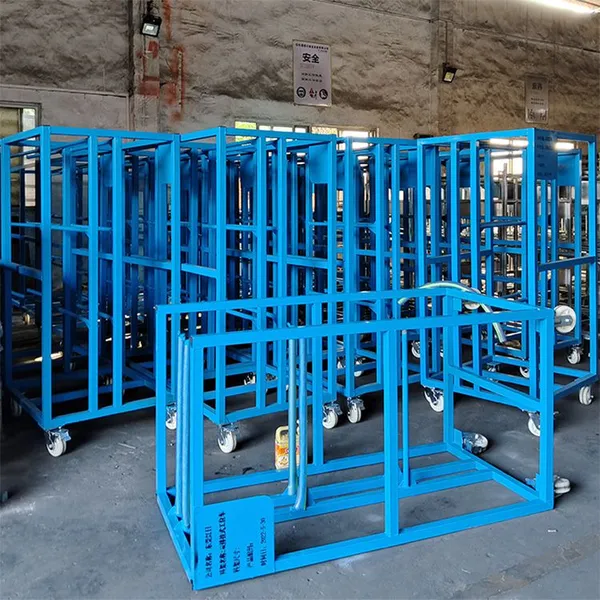
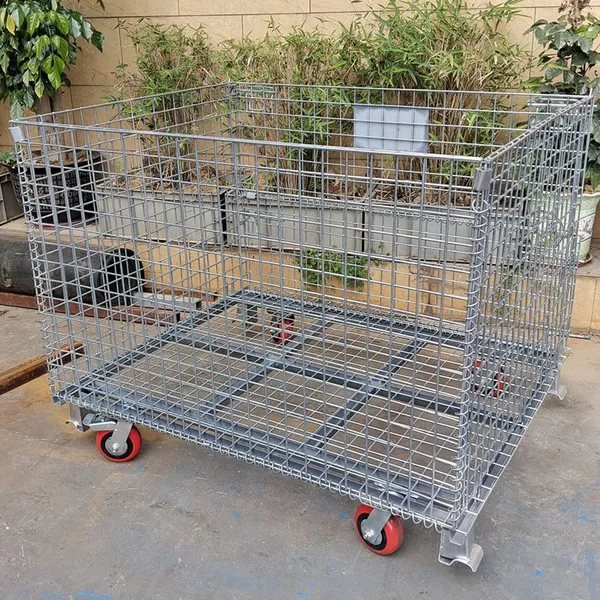
A cage cart is a security cart which enables users to move and store items because its security cage can be locked to protect stored items. The product consists of a wheeled platform which includes vertical wire and sheet-metal sides to provide a moving security system which protects equipment and inventory and sensitive items. Retail stores, warehouses, event spaces, and healthcare facilities utilize these mobile security carts to maintain secure operations.
What sizes are cage carts available in and how should I choose the right size?
Cage carts come in a range of sizes from compact units for small equipment and parcels to large platforms that carry pallet-sized loads. Choose size based on your load dimensions, capacity needs, aisle and door clearances, and whether you need vertical stacking or multi-level shelves. You need to consider platform footprint and cage height and wheelbase when selecting size for your facility layout and material handling equipment.
How many shelves or compartments can a typical cage cart include?
Many cage carts include one or more built-in shelves or can be configured to accept removable shelving to create organized levels for small parts, electronics or retail items. The vertical configuration of the shelves allows users to choose between fixed and adjustable options which accommodate different product heights. For high-density storage, some carts use multi-tier shelves on a tall security cage to maximize vertical space.
What security features should I look for in a high-security cage cart?
High-security cage carts contain welded wire and perforated steel panel systems which reinforce their frame structure together with their tamper-proof hinges and their heavy-duty locking systems. Look for options such as lock boxes, keyed-alike configurations, and tamper-evident seals. The combination of heavy-duty casters which have locking brakes and the sturdy platform prevents unauthorized movement while protecting stored equipment and retail items.
Can a cage cart be used for retail merchandising and loss prevention?
Cage carts serve multiple purposes in retail because they provide secure merchandising and enable product restocking while preventing inventory loss. The wire and mesh sides of the product protect merchandise from theft while allowing customers to see merchandise. Many retailers use lockable cage carts for high-value items or seasonal stock, moving product from stockrooms to sales floors while maintaining security and organization.
How do wire and metal configurations affect the durability and ventilation of a cage cart?
Wire mesh configurations provide excellent visibility and airflow, which is ideal for equipment that needs ventilation or quick inventory checks. Solid metal panels offer more privacy and protection from dust or light. The choice between wire or solid metal configuration affects durability because wire cages are strong but lightweight while sheet-metal cages provide better impact protection.
Recently Posted
-
Logistics Metal Cages and Pallets: Revolutionizing Material Handling in Supply Chains
March 11, 2026The success of a supply chain operation depends on its capacity to handle materials efficiently. The industry sector needs to enha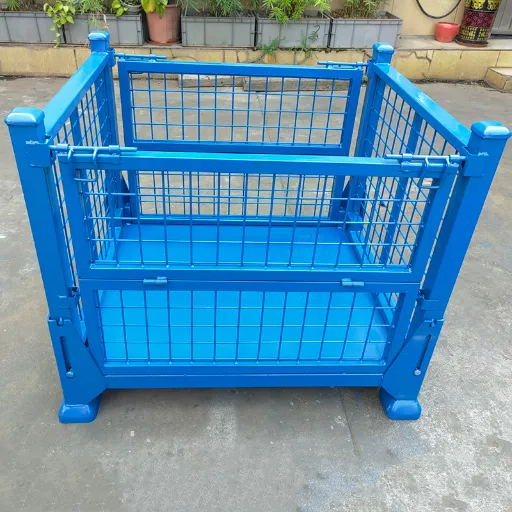 Read More
 -
Warehouse Rack & Metal Shelving: Effective Storage Solutions for Pallet
March 10, 2026Effective storage solutions underpin any well-organized warehouse or industrial facility. As the demand for streamlined operations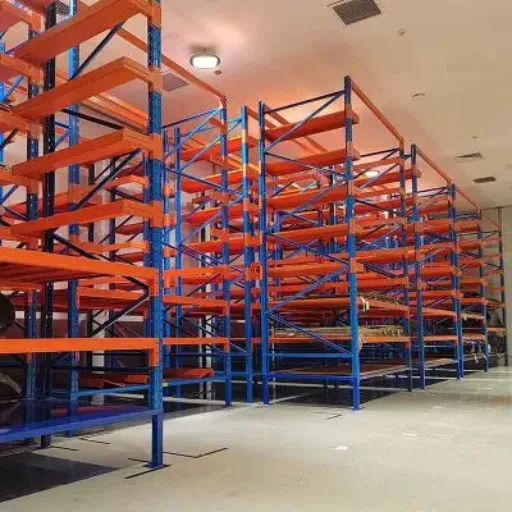 Read More
 -
Gravity Flow Racking: FIFO Carton Flow Shelve Systems
March 10, 2026Proper inventory management is the key to any successful warehouse operation, which is why choosing the right storage solutions is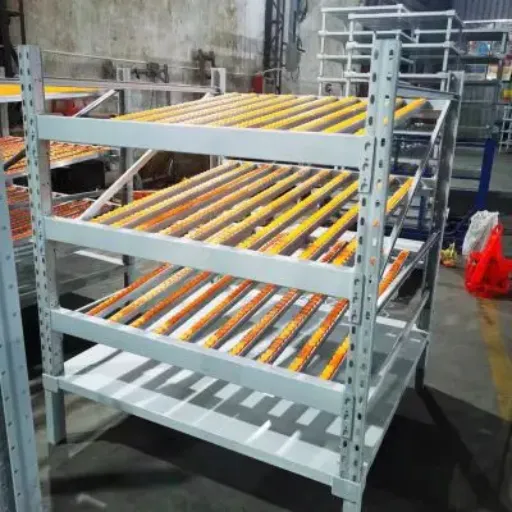 Read More
 -
Portable Stackable Pallet Rack for Warehouse Storage: Optimize Your Space
March 10, 2026For every warehouse or industrial facility some of the aims are to make sure storage spaces are the largest and arranged in the mo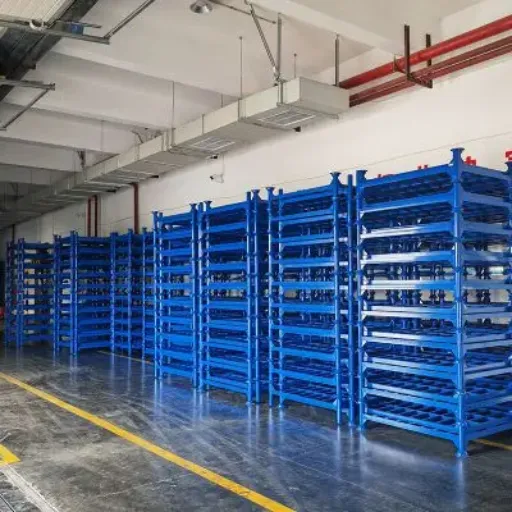 Read More

Contact Us
Recommended Products
-
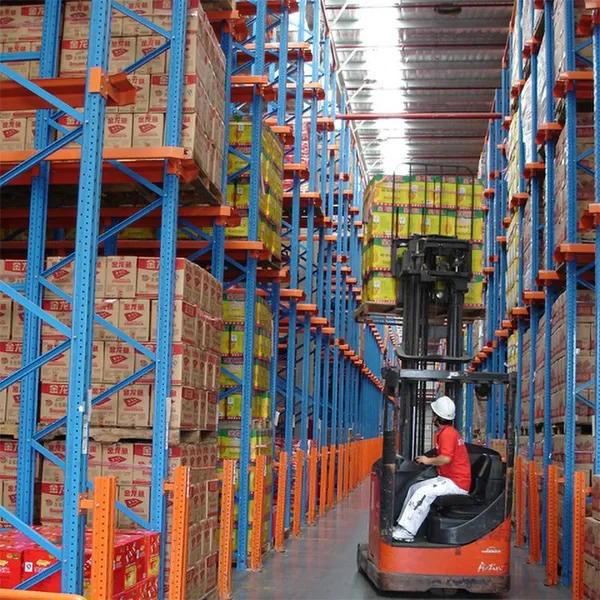
 Robust Drive-in Pallet Racking for High-Density Warehouse StorageNegotiableMOQ: 1 Kilogram
 -
Corrosion-Resistant Metal Stacking Racks for Chemical Plant UseNegotiableMOQ: 500 Sets
-
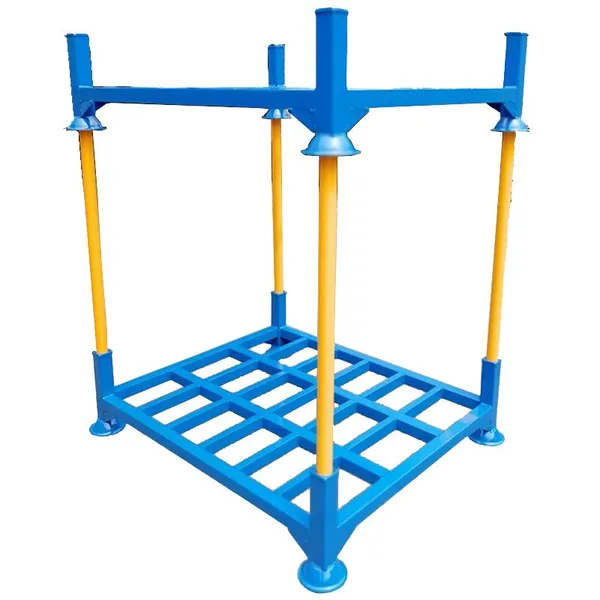
Stackable Steel Pallets Space Saving Metal Pallet for Industrial Warehouse ManagementNegotiableMOQ: 100 Pieces
-
Industrial Steel Mesh Trolley With Reinforced Frame for Laundry and Garment FactoriesNegotiableMOQ: 500 Sets
-
Heavy Duty Wire Mesh Cage With 2mm Wire Diameter for Construction UseNegotiableMOQ: 50 Sets
-
Jinchuan Steel Beam-type Shelves - Universal, Efficient, Random Access, High-level Heavy-duty Storage Racks With Customizable SizesUS$ 90.77 - 92.31MOQ: 10 Sets
-
Multi-Purpose Stackable Plastic Storage Bins for Warehouse and Farm ApplicationsNegotiableMOQ: 10 Sets
-
Steel Textile Roll Storage Rack for Carpet and Warehouse OrganizationNegotiableMOQ: 100 Sets
-
Stackable Storage Cage for Pharmaceutical Warehouse ComplianceNegotiableMOQ: 50 Sets
-
Industrial Metal Stacking Racks for Automotive Parts StorageNegotiableMOQ: 500 Sets
-
Custom Sized Wire Mesh Cage for Industrial Parts and Tool OrganizationNegotiableMOQ: 50 Sets
-
Standard Compliant Wire Mesh Cage With Mill Test Report for Quality AssuranceNegotiableMOQ: 50 Sets
-
Jinchuan Non-standard Steel Lean Tube Trolley, Flexible Customization, Strong Adaptability, Easy Assembly, Flexible TransformationUS$ 121.54 - 123.08MOQ: 10
-
Jinchuan Non-standard Agv Steel Pallet Buffer Storage Rack, Intelligent Docking, Efficient Circulation, Flexible Buffering, Reducing Manual HandlingUS$ 121.54 - 123.08MOQ: 50 Sets
-
Jinchuan Steel Ctu Material Box Robot Shelving With Adjustable Layer Height, Suitable for High-density Storage of Small Items in Multiple CategoriesUS$ 136.92 - 138.46MOQ: 10 Sets
-
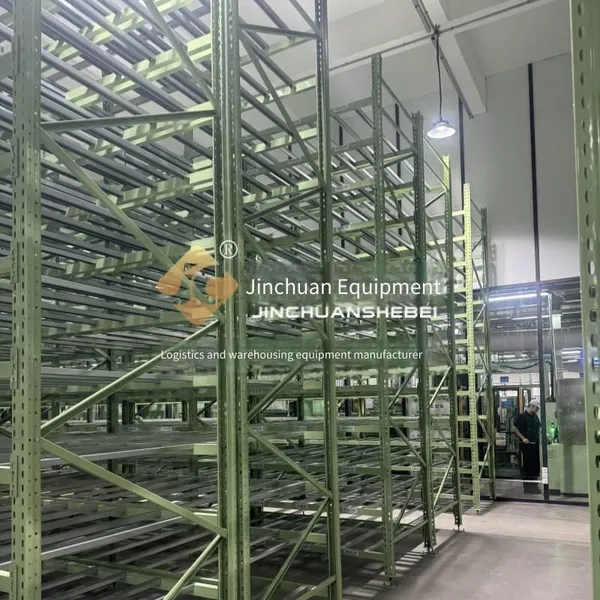
Jinchuan Warehouse High - Rise Stereo Warehouse Shelves, Intelligent Collaboration, Automated and Efficient Operation, Heavy - Load and Stable, Safe and ReliableUS$ 121.54 - 123.08MOQ: 10 Sets
-
Heavy-Duty Industrial Profile Stacking Cart, Galvanized Steel Rolling Trolley for Aluminum Extrusion TransportNegotiableMOQ: 10 Pieces
-
Jinchuan Steel Heavy-duty Shuttle Rack With Flexible Storage Mode for Automatic Goods Access and Remote ControlUS$ 121.54 - 123.08MOQ: 10 Sets
-
Aluminum Alloy Logistics Trolley for Warehouse & ManufacturingNegotiableMOQ: 10 Sets
-
Heavy-Duty Warehouse Storage Racks for Robot Systems - Metal ConstructionNegotiableMOQ: 50 Pieces