
 Business License

Logistics of Steel Staircase: A Comprehensive Guide
Steel staircases serve an essential function in industrial projects because all components must work together for operational effectiveness and safety and operational efficiency. The staircases provide more than basic level access because they demonstrate strength and enduring power and real-world operational usability. This guide provides industry professionals with essential insights to enhance their understanding of steel staircase design and installation processes through the analysis of its logistical requirements. The article will examine material selection and installation practices to identify essential aspects that will help you make more effective decisions. This complete reference resource supports architects engineers and project managers in their efforts to improve industrial projects. Find more info now.
Introduction to Steel Staircase Logistics
The Importance of Steel Staircases in Industrial Settings
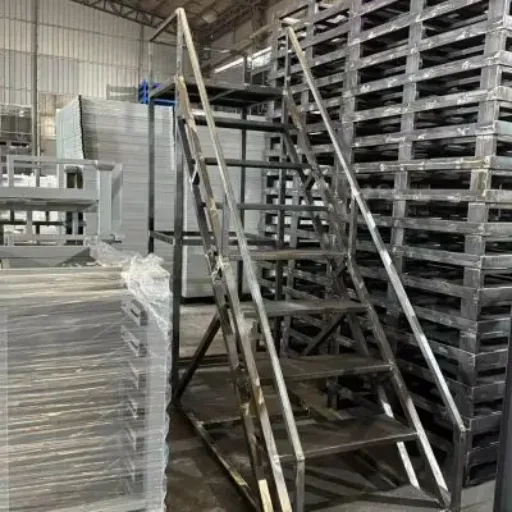
Industrial facilities depend on steel staircases because these structures deliver exceptional strength and secure functionality and user-friendly experience. The materials display their structural capacity to handle heavy loads while sustaining continuous factory and warehouse and processing plant operations. Industrial applications need materials which provide stronger protection than wood and concrete because steel offers better resistance against wear and corrosion and extreme weather conditions.
The latest data shows that structural steel makes up about 47% of the materials used for non-residential construction projects throughout the world because of its adaptable nature and affordable price. Steel production techniques developed high-strength low-alloy (HSLA) steel, which enables engineers to create lightweight materials that can withstand higher loads. Architects and engineers today can design staircases which combine structural strength with compact space utilization and modern aesthetic features because of these developments. Steel stairs provide the optimal solution which meets both environmental requirements and sustainable architectural practices.
Challenges in Logistics for Steel Staircases
Steel staircases bring multiple advantages to industries, but they create logistical problems that need to be solved before companies can achieve successful product delivery and installation. The primary challenge centers around the heavy weight and large size of steel components which create difficulties for movement. Steel requires special transportation equipment because it has dense and heavy characteristics which require specific handling methods. According to recent data, transporting oversized steel components can increase freight costs by up to 30%, especially in regions with strict road regulations for heavy loads.
Proper storage during shipping presents another logistical challenge that needs to be solved. Steel becomes vulnerable to corrosion when it comes into contact with moisture or when it exists in unsuitable conditions that violate preservation guidelines during both storage and shipping. Industries must invest in protective packaging, such as waterproof coatings or sealed coverings, to mitigate this risk, which can add up to 10-15% to overall material handling costs.
The modern construction industry faces challenges in maintaining just-in-time delivery schedules that are essential for project completion. Supply chain delays, which stem from driver shortages and port congestion and geographic limitations, create substantial project timeline disruptions. A 2023 report shows that supply chain delays in the construction industry have risen by 20% during the past two years, which has created additional challenges for steel staircase logistics.
Pre-Fabrication and Site Measurements
Understanding Pre-Fabrication of Steel Stairs
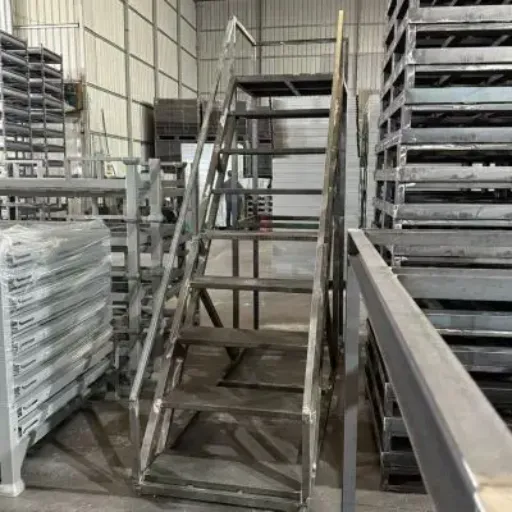
The steel stair pre-fabrication process brings modern construction advantages which exceed the capabilities of traditional construction methods through its improved efficiency and exact building results. The system produces stair elements through its design process which includes cutting and assembly work that takes place inside a manufacturing facility until it delivers complete elements to construction sites. Pre-fabrication streamlines production processes because it decreases material waste and labor expenses while delivering products that meet safety requirements and quality standards.
According to recent data, pre-fabricated steel stairs can lower overall project costs by up to 30% because they save time and decrease errors that occur during on-site work. The prefabrication method decreases on-site installation time by almost 50% when compared to traditional fabrication processes, which makes it the best choice for projects that need quick results.
Engineers use CAD systems together with BIM software to design custom steel staircases which fulfill their project needs. Pre-fabricated stair modules are designed for quick assembly, which provides minimal site disruption throughout the construction process. Sustainable construction projects benefit from their ability to use recyclable materials and their production methods which consume less energy, which reduce environmental impacts.
Accurate Site Measurements for Steel Stair Installation
Steel stair installation needs precise site measurements because they create the required conditions for successful results. The installation process benefits from precise measurements because they reduce material waste and installation errors. The construction industry now uses 3D laser scanning together with Building Information Modeling (BIM) technologies, which enable accurate measurements of construction sites through their advanced spatial data collection capabilities. 3D laser scanning technology allows users to measure with millimeter accuracy which prevents measurement errors that could lead to construction problems and building element misalignment.
Advanced measurement tools allow construction projects to achieve 30% faster installation times together with 20% less material waste which produces both financial benefits and sustainable building methods. Accurate measurements guarantee that construction projects will meet both local building standards and safety requirements, which proves essential for construction projects that involve multiple sites. Advanced measurement systems must be used at the start of construction operations so they can deliver operational efficiency and cost reductions throughout steel staircase installation projects.
Transportation Logistics for Oversized Steel Components
Planning for Transportation of Steel Staircases
1. Route Selection
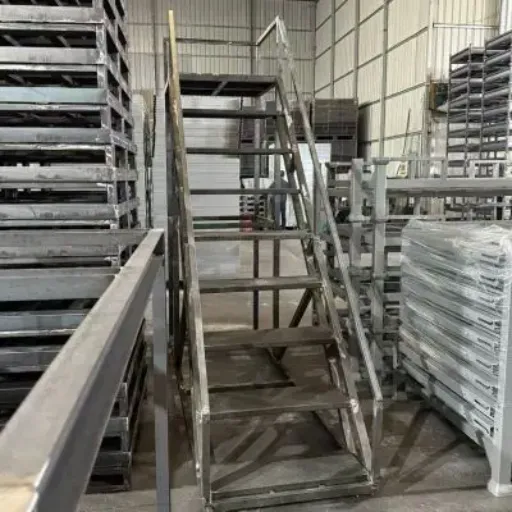
Transportation operations require an optimal route selection process which protects against operational problems. The evaluation process needs to evaluate bridge height restrictions together with road weight limits and all existing sharp bends and narrow passages. The United States displays data which indicates that most highways maintain a 13.6-foot standard clearance but oversized loads need permits when their height exceeds this limit. Local authorities should work with transit operators to establish protected pathways which transit operators can use.
2. Vehicle Selection
Oversized loads which include steel staircases require the use of specialized vehicles which include flatbed trailers and extendable trailers. Flatbed trailers can handle both heavy loads and wide loads because they have a standard weight capacity which reaches 48,000 pounds. Extendable trailers enable users to transport items which require extended length up to 80 feet because they offer necessary flexibility.
3. Load Securing and Packaging
Securement procedures which use high-tensile straps and chains together with corner protectors need implementation because they protect cargo from movement during transit. Logistics companies report that more than 25 percent of freight accidents occur because drivers did not properly secure cargo. The use of protective packaging materials which include padded material and shrink wrap helps reduce transport damage risks which steel items face during their shipping process.
4. Regulatory Compliance
Transportation planning work requires organizations to follow all applicable regulations during their operational processes. Oversized loads need permits to travel through designated routes yet their transportation must occur during specific hours which help avoid peak traffic periods. Most U. S. states enforce their prohibition against oversized load movements which apply during both dawn and public holiday periods. Certain locations require shipment escorts to maintain public safety during transportation.
Challenges with Metal Stair Transportation
Heavy metal staircases which have specialized designs create shipping difficulties which need careful management. The main shipping challenge involves the need to comply with all existing regulations which control oversized load transport. Route planning becomes more difficult because shipment drivers need permits to enter each state and region which their cargo must travel through. California and Texas both impose height and weight restrictions together with width restrictions which control oversized load movement through their states.
The main obstacle in transportation lies with maintaining load stability and safe conditions. Metal staircases need special equipment for secure transportation which includes flatbed trailers and heavy-duty tie-down systems. The process of loading and unloading such heavy equipment creates dangerous situations which require special tools and expert knowledge.
On-Site Assembly and Safety Considerations
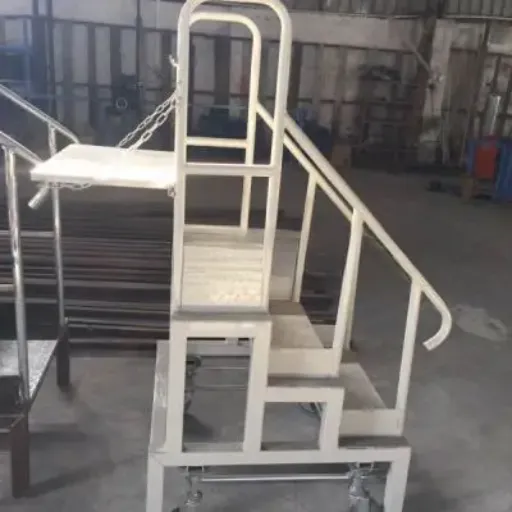
Steps for On-Site Assembly of Steel Staircases
Site Preparation
The site requires ongoing upkeep to maintain its cleanliness and level surface because all essential construction equipment must be present for staircase building operations. The foundation anchor points need to be verified for correct location according to established engineering design specifications. The construction team needs to receive clear information because it helps them maintain correct alignment throughout their work. The study found that 15% of project delays which occur during steel staircase installation work result from improper site leveling.
Verify Components and Tools
The team needs to conduct an inventory check to verify that all staircase components which include stringers and treads and handrails have arrived at the site. The information needs to be compared with both the engineering plans and the specifications provided by the manufacturer. The team needs to use torque wrenches and levels because these tools allow them to measure results with high precision. The assembly process requires an additional 20% of time when sections become misaligned or components go missing.
Component Assembly
The assembly process starts when workers attach the base plate to the foundation using approved fasteners. The stringers should be attached using the pre-drilled bolt patterns which have been established. The team needs to tighten all connections until they reach the specified torque requirements. The team needs to complete the assembly process by first building the treads and handrails and then checking their stability and alignment after every step.
Welding and Finishing (if necessary)
The welding section needs to have a certified welder who will follow all safety standards. All necessary surface finishing needs to be applied for outdoor metal projects to protect against corrosion. The American Welding Society states that poor welding practices will result in structural damage which creates safety hazards.
Quality and Safety Inspection
A complete inspection needs to be conducted after the staircase assembly finishes to verify that all bolts and joints and welds remain securely fastened. The structure undergoes testing to determine its ability to support loads which must meet local regulatory requirements. According to OSHA regulations inspectors need to check that handrails can support at least 200 pounds while staircases must meet slip-resistant requirements.
Safety Protocols During Assembly
Perform the Complete Process of Risk Assessment.
The assembly team needs to conduct a thorough risk assessment of potential hazards which includes fall risks and heavy lifting and equipment malfunctions. The Occupational Safety and Health Administration (OSHA) reports that organizations which conduct regular risk assessments can achieve up to 40 percent reduction in workplace accidents.
Provide Personal Protective Equipment (PPE)
All workers must wear personal protective equipment which consists of helmets and gloves and safety goggles and steel-toed boots. Proper usage of PPE equipment protects workers from injuries because research shows that helmets decrease head injury risks by 60 percent.
Secure Anchors and Fall Protection
The installation of temporary guardrails and safety nets and personal fall arrest systems becomes essential for all work which occurs at elevated heights. The construction industry prioritizes fall protection because OSHA states that 36 percent of construction deaths result from falls.
Ensure Proper Handling of Heavy Components
The team should use cranes and hoists as mechanical lifting tools to ensure safe movement of steel components. Workers need training in ergonomic lifting methods to protect their health. The National Safety Council reports that businesses suffer annual costs of 13 billion dollars because employees experience overexertion and lifting-related injuries.
Electrical and Equipment Safety
The team needs to check all power tools and welding equipment for their operational functionality. Workers need training to handle tools safely and they must inspect equipment before each use to prevent electrical accidents and equipment malfunctions.
Compliance with Building Codes and Standards
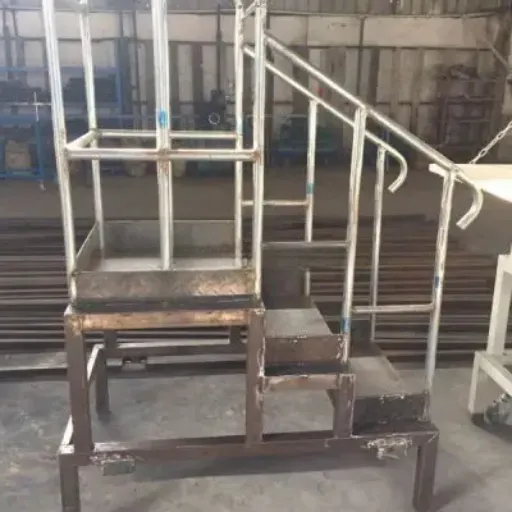
Understanding Regional Building Codes for Steel Stairs
Riser and Tread Dimensions
The International Building Code (IBC) establishes that risers should not exceed 7 inches in height and treads must have a minimum depth of 11 inches to create safe walking surfaces. The actual measurements established by local regulations will differ from these standards because regional guidelines permit local authorities to change the specifications.
Handrails and Guardrails
The building codes mandate that handrails must be installed at a height between 34 and 38 inches above the stair nosing. Safety regulations require guardrails on stairs which reach heights beyond 30 inches and have openings that stop 4-inch spheres from passing through to protect children.
Load-Bearing Requirements
Steel stairs must be designed to carry the specified live load which ranges between 40 psf and 100 psf for residential stairs and industrial applications respectively. The protection of structural integrity becomes essential in areas that experience heavy foot traffic or in stairways designated for emergency exits.
Fire Resistance and Durability
Local fire codes establish mandatory fire-resistance requirements which all regions require steel stairs to fulfill. The use of non-combustible materials together with corrosion-resistant materials enables steel stairs to achieve extended durability under humid conditions and industrial operational environments.
Accessibility Standards
The Americans with Disabilities Act (ADA) in the United States and equivalent international regulations demand that public spaces must provide tactile warnings and maintain constant riser heights and implement surfaces that prevent slipping. The measures provide better access to people who experience difficulties with movement.
Ensuring Compliance in Industrial Applications
The process of designing or upgrading industrial facilities requires designers to establish safety and accessibility regulations compliance as their primary concern. The implementation of compliant infrastructure brings two benefits because it fulfills legal requirements and creates safer workplaces for staff and visitors while reducing liability risk and boosting operational productivity.
The American industrial sector incurs annual expenses exceeding $167 billion because of workplace injuries which result in medical costs and lost work time and administrative duties. The implementation of OSHA (Occupational Safety and Health Administration) guidelines together with ADA standards will effectively reduce these hazards. The project requires anti-slip flooring installation which will create pathways that include necessary lighting and accessible entry points to meet accessibility standards.
Frequently Asked Questions (FAQs)
What is a floating staircase and how does it affect space in a loft or contemporary interior?
A floating staircase displays its treads through an optical illusion which makes them seem to float without any visible support because designers use hidden stair stringers and wall brackets to construct the stairs. The design of a floating staircase creates an open space which allows maximum light to enter while maintaining a modern aesthetic in both lofts and contemporary spaces. The design works well in restricted spaces because it minimizes bulk yet designers must control their layout and configuration to achieve their intended functions while maintaining safety.
Are floating stairs safe for residential and commercial use?
Floating stairways must follow building codes to achieve safe design standards which allow their use in both residential and commercial settings. Designers use steel stair stringers and stainless steel brackets or aluminum components to create systems which provide structural strength while maintaining a light weight. A certified designer or structural engineer must determine suitable materials and fastening techniques and railing systems to meet load requirements while preventing deflection and rusting in outdoor and high-humidity locations.
What are the differences between steel stair stringers and aluminum stringers?
Steel stair stringers take on heavy-duty commercial applications because they possess high durability and strength, while users can protect their structures through galvanization or powder coating. Aluminum stringers weigh less than steel stair stringers because they possess natural resistance to corrosion which enables easier shipping and installation in modern floating designs and outdoor applications. The choice needs to consider load requirements and available funds and preferred design style and anticipated maintenance needs.
Can a floating staircase be used outdoors and how do you prevent rust?
designers create floating staircases for outdoor applications through their choice of materials which need appropriate protection and material selection. Stainless steel and galvanized steel and powder-coated aluminum materials provide reduced rust risk through their corrosion-resistant fastening and bracket systems. Regular maintenance requires cleaning procedures and weld joint inspections and anchor point evaluations to achieve extended operational lifespan. Marine-grade stainless steel and aluminum materials provide better corrosion protection when used in coastal areas with high salt concentrations.
What customization options exist for treads and railing design style?
Tread options are wide-ranging: wood, steel, glass, perforated metal or composite materials can be paired with a variety of railing systems, from minimalist glass to stainless steel cable or traditional balusters. Designers can create custom designs through their selection of tread finishes and tread thicknesses and tread nosing styles which match either contemporary or traditional design patterns. Many manufacturers offer customized to fit treads and railings to accommodate unusual layout or space requirements.
Recently Posted
-
Logistics Metal Cages and Pallets: Revolutionizing Material Handling in Supply Chains
March 11, 2026The success of a supply chain operation depends on its capacity to handle materials efficiently. The industry sector needs to enha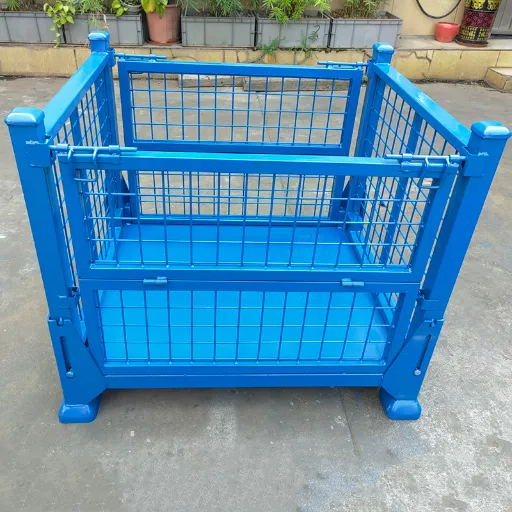 Read More
 -
Warehouse Rack & Metal Shelving: Effective Storage Solutions for Pallet
March 10, 2026Effective storage solutions underpin any well-organized warehouse or industrial facility. As the demand for streamlined operations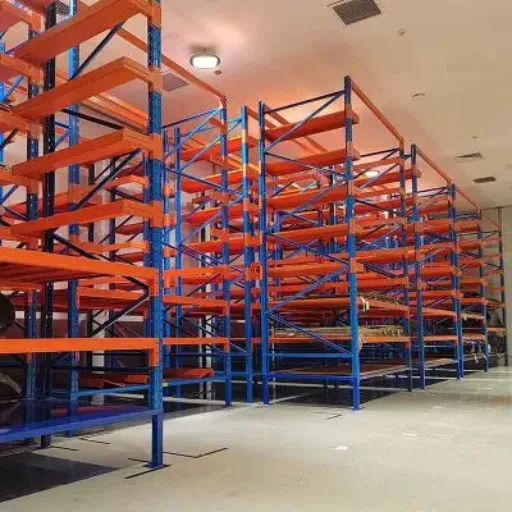 Read More
 -
Gravity Flow Racking: FIFO Carton Flow Shelve Systems
March 10, 2026Proper inventory management is the key to any successful warehouse operation, which is why choosing the right storage solutions is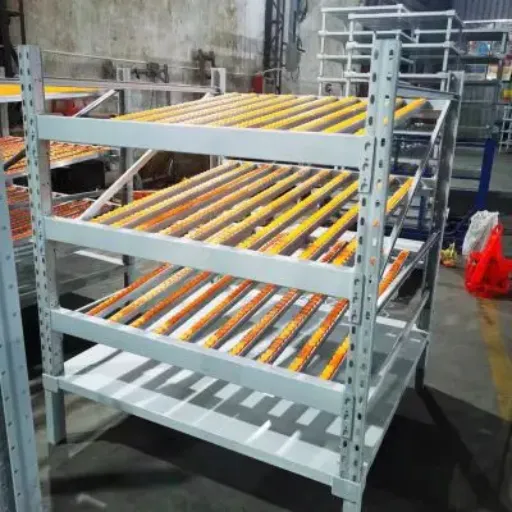 Read More
 -
Portable Stackable Pallet Rack for Warehouse Storage: Optimize Your Space
March 10, 2026For every warehouse or industrial facility some of the aims are to make sure storage spaces are the largest and arranged in the mo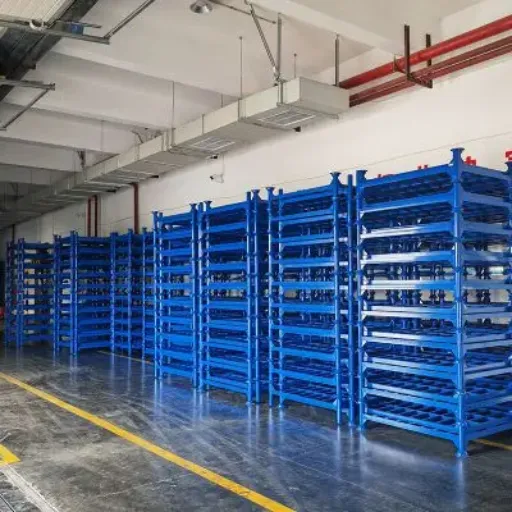 Read More

Contact Us
Recommended Products
-
 Robust Drive-in Pallet Racking for High-Density Warehouse StorageNegotiableMOQ: 1 Kilogram
 -
Corrosion-Resistant Metal Stacking Racks for Chemical Plant UseNegotiableMOQ: 500 Sets
-
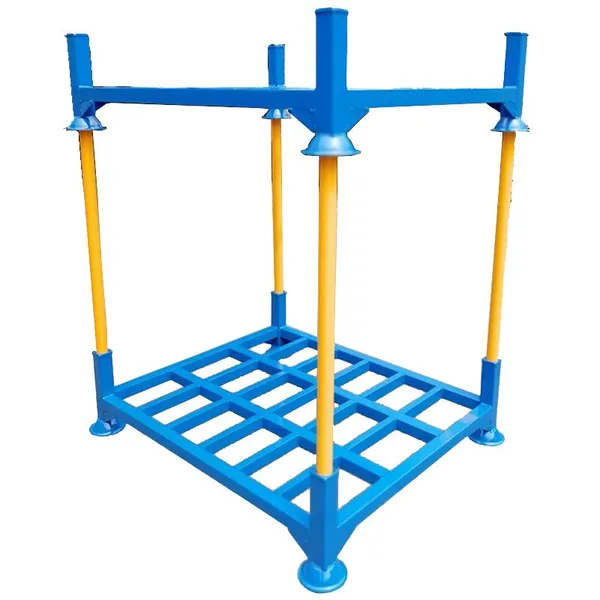
Stackable Steel Pallets Space Saving Metal Pallet for Industrial Warehouse ManagementNegotiableMOQ: 100 Pieces
-
Industrial Steel Mesh Trolley With Reinforced Frame for Laundry and Garment FactoriesNegotiableMOQ: 500 Sets
-
Heavy Duty Wire Mesh Cage With 2mm Wire Diameter for Construction UseNegotiableMOQ: 50 Sets
-
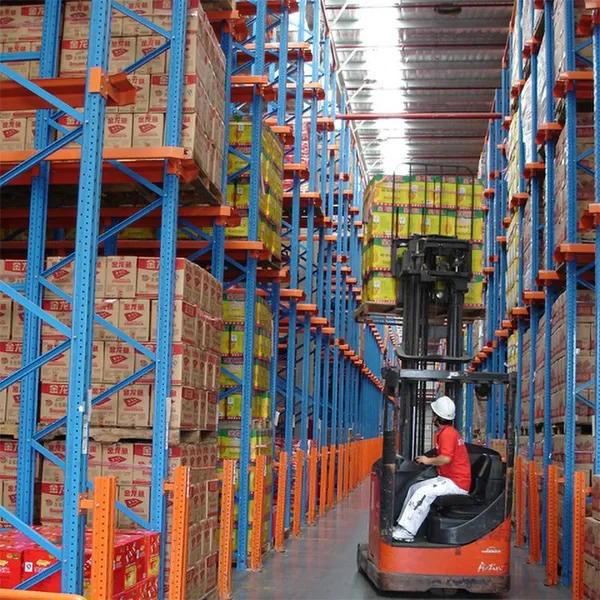
Jinchuan Steel Beam-type Shelves - Universal, Efficient, Random Access, High-level Heavy-duty Storage Racks With Customizable SizesUS$ 90.77 - 92.31MOQ: 10 Sets
-
Multi-Purpose Stackable Plastic Storage Bins for Warehouse and Farm ApplicationsNegotiableMOQ: 10 Sets
-
Steel Textile Roll Storage Rack for Carpet and Warehouse OrganizationNegotiableMOQ: 100 Sets
-
Stackable Storage Cage for Pharmaceutical Warehouse ComplianceNegotiableMOQ: 50 Sets
-
Industrial Metal Stacking Racks for Automotive Parts StorageNegotiableMOQ: 500 Sets
-
Custom Sized Wire Mesh Cage for Industrial Parts and Tool OrganizationNegotiableMOQ: 50 Sets
-
Standard Compliant Wire Mesh Cage With Mill Test Report for Quality AssuranceNegotiableMOQ: 50 Sets
-
Jinchuan Non-standard Steel Lean Tube Trolley, Flexible Customization, Strong Adaptability, Easy Assembly, Flexible TransformationUS$ 121.54 - 123.08MOQ: 10
-
Jinchuan Non-standard Agv Steel Pallet Buffer Storage Rack, Intelligent Docking, Efficient Circulation, Flexible Buffering, Reducing Manual HandlingUS$ 121.54 - 123.08MOQ: 50 Sets
-
Jinchuan Steel Ctu Material Box Robot Shelving With Adjustable Layer Height, Suitable for High-density Storage of Small Items in Multiple CategoriesUS$ 136.92 - 138.46MOQ: 10 Sets
-
Jinchuan Warehouse High - Rise Stereo Warehouse Shelves, Intelligent Collaboration, Automated and Efficient Operation, Heavy - Load and Stable, Safe and ReliableUS$ 121.54 - 123.08MOQ: 10 Sets
-
Heavy-Duty Industrial Profile Stacking Cart, Galvanized Steel Rolling Trolley for Aluminum Extrusion TransportNegotiableMOQ: 10 Pieces
-
Jinchuan Steel Heavy-duty Shuttle Rack With Flexible Storage Mode for Automatic Goods Access and Remote ControlUS$ 121.54 - 123.08MOQ: 10 Sets
-
Aluminum Alloy Logistics Trolley for Warehouse & ManufacturingNegotiableMOQ: 10 Sets
-
Heavy-Duty Warehouse Storage Racks for Robot Systems - Metal ConstructionNegotiableMOQ: 50 Pieces