
 Business License

Logistics Mezzanine Floor Racking System: Maximizing Warehouse Space
Modern businesses specializing in warehouse operations need to optimize their storage areas because this practice helps them reach their business goals while reducing their operational costs. Organizations can operate their business activities without interruptions through the use of an effective storage system which allows them to utilize all their available assets. The logistics mezzanine floor racking system functions as an efficient solution which enables organizations to change their unused vertical areas into productive workspaces. The blog post demonstrates how mezzanine floor racking systems work to change warehouse design by providing more storage room and better access and flexible solutions which can accommodate increasing business needs. The innovative system enables you to achieve new levels of operational efficiency at your small storage facility or your large distribution center.Find more info now.
What is a Logistics Mezzanine Racking System?

Definition and Overview
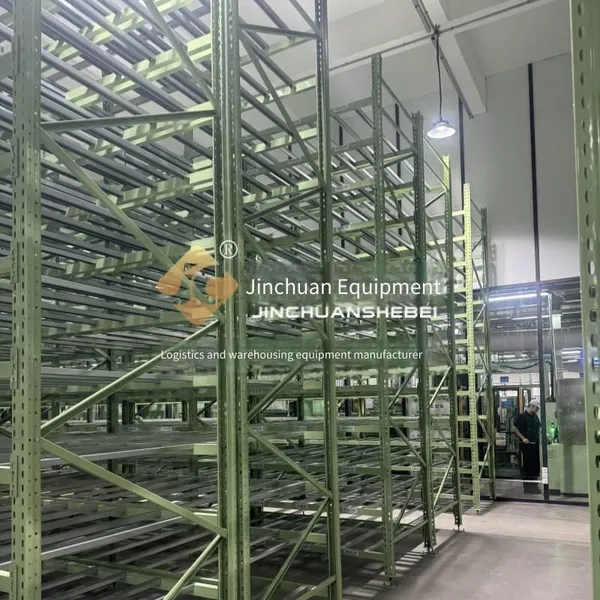
The logistics mezzanine racking system functions as a two-level storage system which enables warehouses and distribution centers to use their entire vertical and horizontal storage space. The system consists of raised platforms which builders install between ceilings and floors to establish new storage heights without needing to alter building structures. The systems support multiple racking systems which include shelving and carton flow racks and pallet racks to meet different business requirements.
Mezzanine racking systems serve as flexible storage solutions which businesses use to expand their storage capacity. Research demonstrates that these systems enable warehouses to achieve a 150% storage capacity increase by utilizing their current space without moving operations or establishing new facilities. Steel serves as the primary construction material for mezzanine floors because it delivers strength which supports all the weight that people apply throughout the area.
Differences from Standard Mezzanine Flooring
Logistics mezzanine racking systems use standard mezzanine flooring to create storage space but the systems provide greater advantages because they meet specific needs of industrial and warehouse operations. The first major distinction involves the direct integration of racking systems into the mezzanine structure which allows multiple storage levels to function simultaneously. The weight capacity of logistics mezzanine racking systems ranges from 2000 to 3000 pounds per square foot which exceeds the weight capacity limits of standard mezzanine flooring and makes them suitable for handling heavy and oversized products.
The two systems differ mainly in their levels of customization. Standard mezzanine flooring provides open spaces which users can adapt for different purposes that include office work and additional workspace. Logistics mezzanine racking includes features such as built-in shelving and pallet storage and conveyor system compatibility.
Key Benefits of Mezzanine Systems
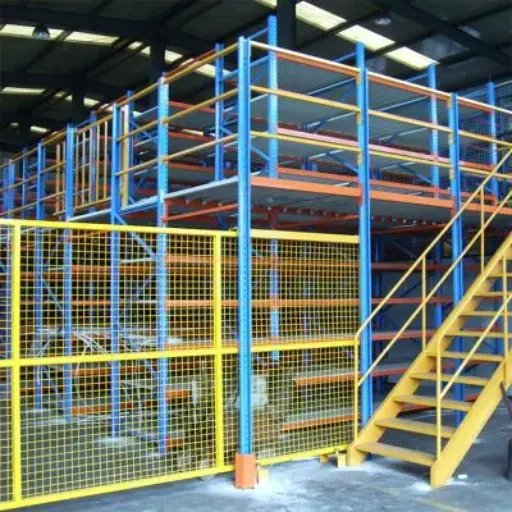
Space Optimization
Organizations can use mezzanine systems to create additional storage and workspace areas which they can implement at lower costs than building new structures. Mezzanines enable users to create double or triple usable floor space because the design allows them to access overhead spaces which typically go unused. Modern warehouses which used mezzanine systems observed capacity improvements that reached 85% across all their operational areas.
The system delivers better benefits when companies implement logistics mezzanine racking systems. These systems function as perfect solutions for e-commerce businesses because their fulfillment centers need to manage high inventory levels while maintaining efficient operations. Businesses can use mezzanines to establish their storage systems by creating high-density storage structures which enable them to access their stored items with faster retrieval times. Companies can use mezzanine systems to create their operational systems through modular design which enables future modifications. The combination of this system expansion together with its ability to reduce warehouse costs makes mezzanine systems both cost-effective and environmentally friendly investment options.
Cost-Efficiency of Mezzanine Systems
Business operations achieve better efficiency through mezzanine systems which provide an excellent opportunity for companies to reduce costs. Existing spaces can use mezzanines to manage vertical space since they decrease the need for expensive building extensions and office relocations. The industry reports that building a mezzanine costs between $20 and $50 per square foot based on its design and materials which represents a significant savings compared to new warehouse space that costs between $100 and $200 per square foot in urban areas.
The use of mezzanines leads to permanent financial benefits because they help reduce energy costs. Through their design and placement, mezzanines enable businesses to achieve better energy efficiency by controlling lighting and air circulation throughout their facilities. The research demonstrates that businesses which implement mezzanine systems experience a maximum decrease of 25 percent in total warehouse operational expenses because their space requirements and organization systems improve.
Types of Mezzanine Racking

Multi-Tier Mezzanine Systems
The multi-tier mezzanine system development establishes an advanced method which allows industrial facilities and distribution centers and warehouses to achieve their complete vertical space potential. The system includes various platform levels which allow facilities to increase their storage capacity and work area and operational area without needing to build additional space. The multi-tier mezzanines design allows facilities to develop customized solutions which support shelving and pallet racking and office environments.
The storage capabilities of organizations improve through multi-tier mezzanine systems which enable organizations to create extensive storage areas. The implementation of multi-tier systems provides businesses with a storage efficiency increase of 200% compared to their current single-level storage systems according to multiple research studies. The structures contain modular components which enable organizations to expand their operations as needed.
Rack-Supported Mezzanine Platforms
Business organizations can use a rack-supported mezzanine platform to improve their vertical storage capacity through their existing rack systems. The construction of these platforms involves placing a mezzanine structure on top of existing or newly constructed pallet racking systems. The design provides two functions because it boosts storage capabilities while creating operational space for essential activities.
The most recent industry reports show that rack-supported mezzanines can enhance storage efficiency by 50% which depends on both the operational setup and the weight capacity of the racks. The modern designs can support loads between 500 and 1,000 pounds per square foot which allows them to store a wide range of products. The structures provide built-in connectors which enable warehouses to connect conveyors and lifts and other equipment for better operational efficiency.
Safety and Compliance Considerations

Weight Load Limitations
Personnel should evaluate weight load requirements when using rack-supported mezzanine platforms because this assessment determines their operational safety and efficiency and compliance with industry standards. The maximum weight capacity of a mezzanine system depends on three different factors which include its material composition and design and intended applications. The superior quality of mezzanine floors allows them to handle weight loads which range from 125 pounds per square foot to 250 pounds per square foot for standard industrial applications.
Modern mezzanine systems are often constructed using galvanized steel or reinforced materials which provide durability and enable the system to support high weight loads. The manufacturing process requires close collaboration with manufacturers who help establish load ratings while confirming that the system meets OSHA (Occupational Safety and Health Administration) and IBC (International Building Code) standards. The mezzanine system requires regular inspections together with maintenance work to confirm its structural strength meets both operational needs and safety requirements which helps to decrease risks that occur in environments with high demands.
Fire Safety Regulations
Fire safety regulations exist to protect both workers and buildings at all facilities that have mezzanine systems. Mezzanines must meet particular fire-resistance requirements which depend on their intended use and their actual dimensions according to International Building Code (IBC) regulations. The NFPA states that mezzanine areas above one-third of the floor space below need extra fire-rated building materials which include fire-resistant walls and ceilings.
Fire suppression systems which include sprinklers function as essential components for safety against fires in mezzanine areas. NFPA 13 requires sprinkler systems to provide complete coverage for all spaces located underneath and above mezzanine structures. Facilities that store flammable materials and handle hazardous substances must implement certain safety systems which require regular testing to maintain protection against potential dangers.
Implementation Strategy for Mezzanine Racking
Assessing Your Facility
Your facility assessment process needs to proceed through its assessment steps because this will enable the complete evaluation which proves effective for implementing mezzanine racking systems while observing both fire safety requirements and building code standards. Start your assessment by measuring the available space through ceiling height and floor capacity and current operational workflows. Users of modern mezzanine systems can access all vertical space within their premises yet building design needs to prioritize structural safety as its primary concern. According to recent industry studies facilities using mezzanine systems can expand their storage capacity by 150 percent without needing to build new facilities.
Your organization must find and document all fire risks that exist in every section of your facility. The National Fire Protection Association (NFPA) establishes requirements for high-rack systems which need to include fire protection systems that consist of fire alarms and sprinkler systems and fire suppression systems. Companies that fail to meet local fire safety rules face both financial penalties and increased risk of liability. Recent data from industrial fire risk assessments reveals that more than 80 percent of industrial fire incidents could have been stopped if businesses had implemented correct fire prevention strategies.
Success requires businesses to focus on optimizing their workflow processes. The mapping process establishes paths for goods movement and employee movements which helps to maintain operational flow during mezzanine system operations. Workplace design processes that use ergonomic design elements lead to increased employee productivity and decreased physical strain on workers. According to OSHA research these specific changes to operations lead to a 25 percent increase in operational efficiency.
Planning and Design Considerations
Space Utilization
Space planning requires proper execution because it represents essential building requirements. Research shows that ineffective building layouts result in warehouse operations which lose 15-20% of their usable area. Vertical storage implementation through high-density racking systems enables storage capacity increases which reach 40% without needing any extra floor space. The solution allows businesses to operate at maximum efficiency while all costs associated with upcoming growth and business relocation needs are reduced.
Workflow Optimization
The Supply Chain Digest reports that efficient facility design enables a 30% reduction in product picking times. Design the flow of goods to minimize double handling and unnecessary movement. The implementation of WMS software tools should be examined because they provide real-time operational insights which enable demand-based inventory placement and workflow optimization.
Safety and Compliance
The OSHA organization reports that U. S. businesses face $1 billion in annual costs due to their failure to implement effective safety measures. The building fails to meet essential requirements because it does not provide adequate aisle space and proper signage and complete building code compliance. Create space for anti-slip flooring and fire suppression systems and ergonomic workstation designs which will provide a safe working space.
Scalability and Future-Proofing
Companies which start their scalability preparations during their early stages of development achieve long-term savings of 25% on their building renovation expenses. The storage system should include modular racking and storage solutions which can expand to meet future requirements. The facility needs integrated technology through IoT and automation which will prepare it for upcoming industry changes.
Frequently Asked Questions (FAQs)
What is a mezzanine floor racking system and how does it optimize warehouse space?
The raised steel mezzanine floor of a mezzanine floor racking system creates additional storage space for an existing building through its structural steel column and beam support system. An industrial mezzanine system enables businesses to maximize their available space through its combination of steel mezzanine floors and pallet rack systems and pallet jack access and catwalks and cantilever racking. The solution provides businesses with a budget-friendly approach to enhance their floor space and storage areas while boosting total storage space.
How do pallet rack systems integrate with a structural mezzanine?
Pallet rack systems can be installed beneath, above or integrated into a freestanding mezzanine. The design of in-rack mezzanines uses pallet racks to provide structural support while other designs use standalone steel columns and beams to support the deck and then place pallet racks underneath. Mezzanine design requires architects to calculate dead loads and live loads and load limits for both pallet racking systems and structural mezzanines to create safe loading and unloading areas which can accommodate pallet jacks and forklifts.
Are modular mezzanine constructions easily expanded or relocated?
Modern systems for mezzanine construction now use modular designs which let businesses expand their storage space through additional decking or grating or multiple storage levels. The installation process for modular mezzanines becomes more efficient because their components, which include levelers and grating and various accessories, allow for quick building and rearrangement without significant downtime.
Recently Posted
-
Logistics Metal Cages and Pallets: Revolutionizing Material Handling in Supply Chains
March 11, 2026The success of a supply chain operation depends on its capacity to handle materials efficiently. The industry sector needs to enha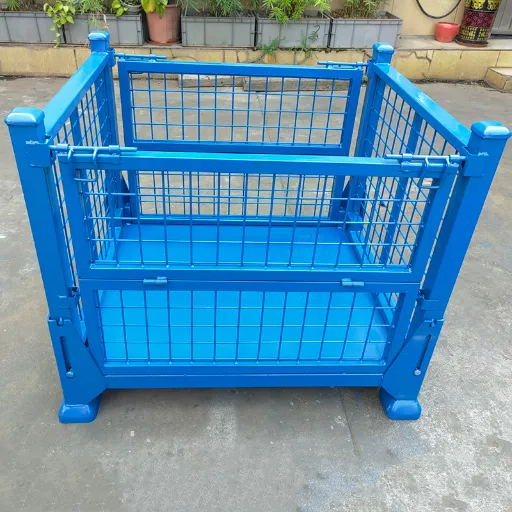 Read More
 -
Warehouse Rack & Metal Shelving: Effective Storage Solutions for Pallet
March 10, 2026Effective storage solutions underpin any well-organized warehouse or industrial facility. As the demand for streamlined operations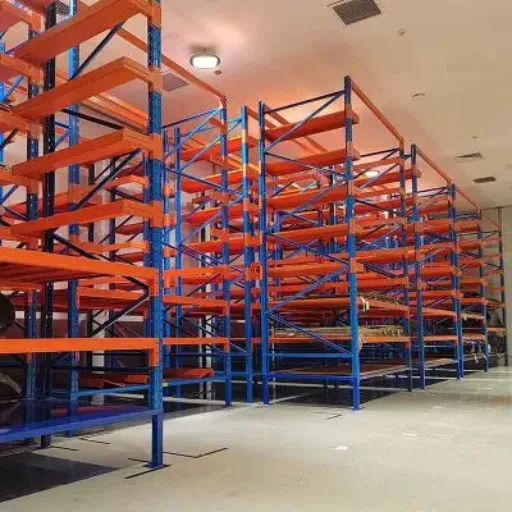 Read More
 -
Gravity Flow Racking: FIFO Carton Flow Shelve Systems
March 10, 2026Proper inventory management is the key to any successful warehouse operation, which is why choosing the right storage solutions is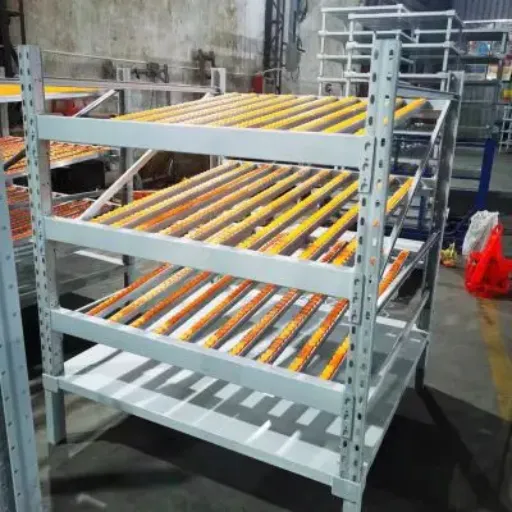 Read More
 -
Portable Stackable Pallet Rack for Warehouse Storage: Optimize Your Space
March 10, 2026For every warehouse or industrial facility some of the aims are to make sure storage spaces are the largest and arranged in the mo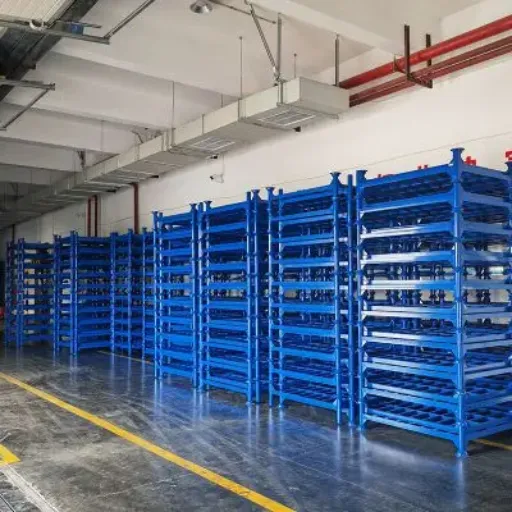 Read More

Contact Us
Recommended Products
-
 Robust Drive-in Pallet Racking for High-Density Warehouse StorageNegotiableMOQ: 1 Kilogram
 -
Corrosion-Resistant Metal Stacking Racks for Chemical Plant UseNegotiableMOQ: 500 Sets
-
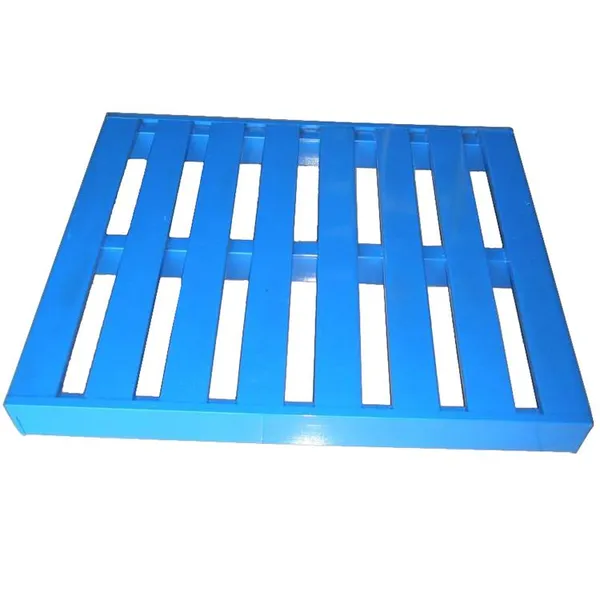
Stackable Steel Pallets Space Saving Metal Pallet for Industrial Warehouse ManagementNegotiableMOQ: 100 Pieces
-
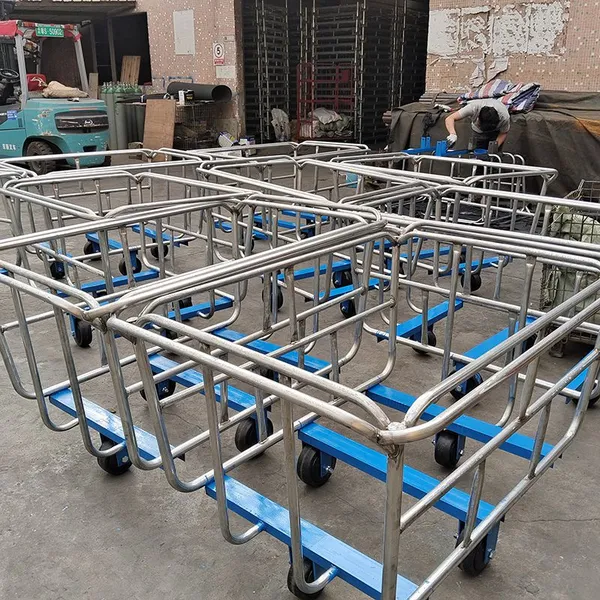
Industrial Steel Mesh Trolley With Reinforced Frame for Laundry and Garment FactoriesNegotiableMOQ: 500 Sets
-
Heavy Duty Wire Mesh Cage With 2mm Wire Diameter for Construction UseNegotiableMOQ: 50 Sets
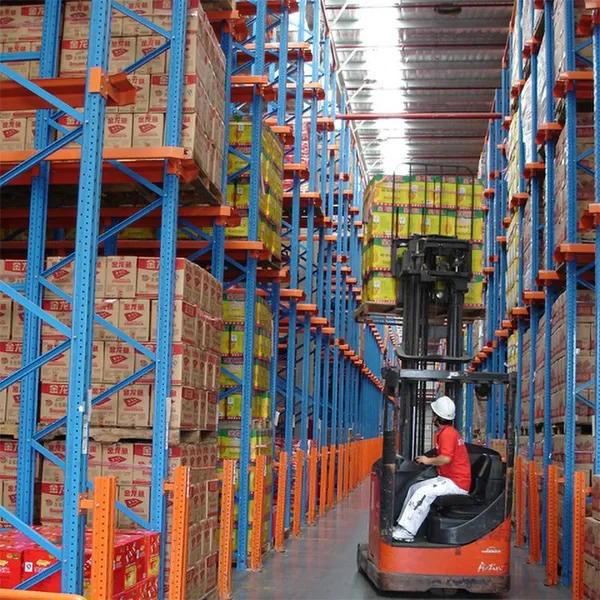
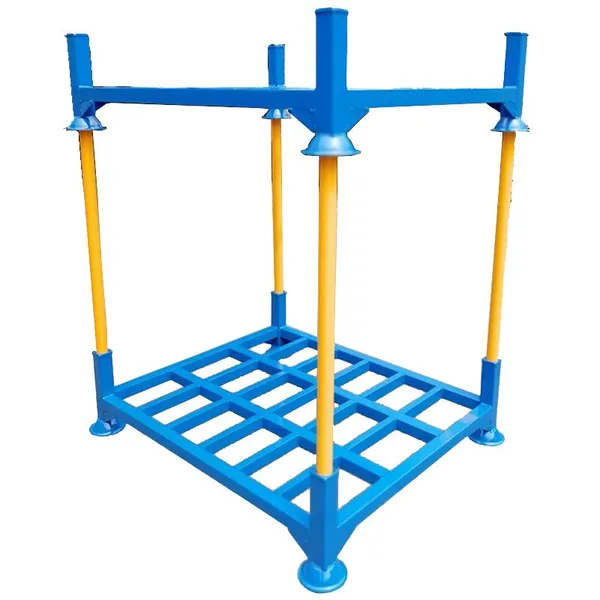
-
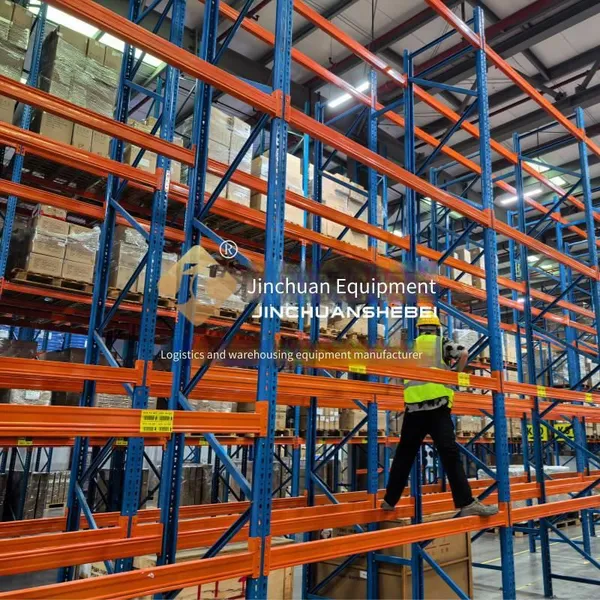
Jinchuan Steel Beam-type Shelves - Universal, Efficient, Random Access, High-level Heavy-duty Storage Racks With Customizable SizesUS$ 90.77 - 92.31MOQ: 10 Sets
-
Multi-Purpose Stackable Plastic Storage Bins for Warehouse and Farm ApplicationsNegotiableMOQ: 10 Sets
-
Steel Textile Roll Storage Rack for Carpet and Warehouse OrganizationNegotiableMOQ: 100 Sets
-
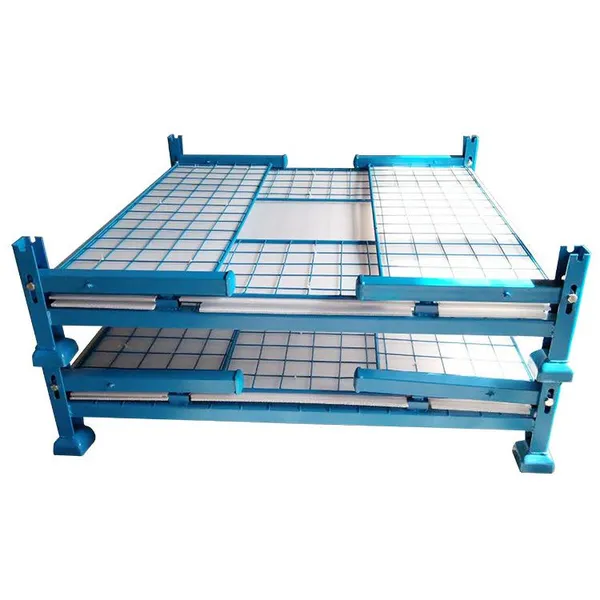
Stackable Storage Cage for Pharmaceutical Warehouse ComplianceNegotiableMOQ: 50 Sets
-
Industrial Metal Stacking Racks for Automotive Parts StorageNegotiableMOQ: 500 Sets
-
Custom Sized Wire Mesh Cage for Industrial Parts and Tool OrganizationNegotiableMOQ: 50 Sets
-
Standard Compliant Wire Mesh Cage With Mill Test Report for Quality AssuranceNegotiableMOQ: 50 Sets
-
Jinchuan Non-standard Steel Lean Tube Trolley, Flexible Customization, Strong Adaptability, Easy Assembly, Flexible TransformationUS$ 121.54 - 123.08MOQ: 10
-
Jinchuan Non-standard Agv Steel Pallet Buffer Storage Rack, Intelligent Docking, Efficient Circulation, Flexible Buffering, Reducing Manual HandlingUS$ 121.54 - 123.08MOQ: 50 Sets
-
Jinchuan Steel Ctu Material Box Robot Shelving With Adjustable Layer Height, Suitable for High-density Storage of Small Items in Multiple CategoriesUS$ 136.92 - 138.46MOQ: 10 Sets
-
Jinchuan Warehouse High - Rise Stereo Warehouse Shelves, Intelligent Collaboration, Automated and Efficient Operation, Heavy - Load and Stable, Safe and ReliableUS$ 121.54 - 123.08MOQ: 10 Sets
-
Heavy-Duty Industrial Profile Stacking Cart, Galvanized Steel Rolling Trolley for Aluminum Extrusion TransportNegotiableMOQ: 10 Pieces
-
Jinchuan Steel Heavy-duty Shuttle Rack With Flexible Storage Mode for Automatic Goods Access and Remote ControlUS$ 121.54 - 123.08MOQ: 10 Sets
-
Aluminum Alloy Logistics Trolley for Warehouse & ManufacturingNegotiableMOQ: 10 Sets
-
Heavy-Duty Warehouse Storage Racks for Robot Systems - Metal ConstructionNegotiableMOQ: 50 Pieces