
 Business License

Logistics Pallet Rack Mezzanine: Maximizing Storage Solutions
Your warehouse operations require appropriate storage solutions which will maximize space efficiency and improve your operational performance. The logistics pallet rack mezzanine system enables companies to achieve their highest storage capacity without incurring the costs of new construction projects. The system generates additional room through its vertical space management system which creates better access routes to work locations. This blog post will examine the primary advantages of pallet rack mezzanines and their operational mechanism and their suitability as modern logistics solutions. The article presents essential knowledge for inventory management which applies to both small warehouse operations and large distribution center operations.Find more info now.
Understanding Pallet Rack Mezzanines
Definition of Pallet Rack Mezzanine
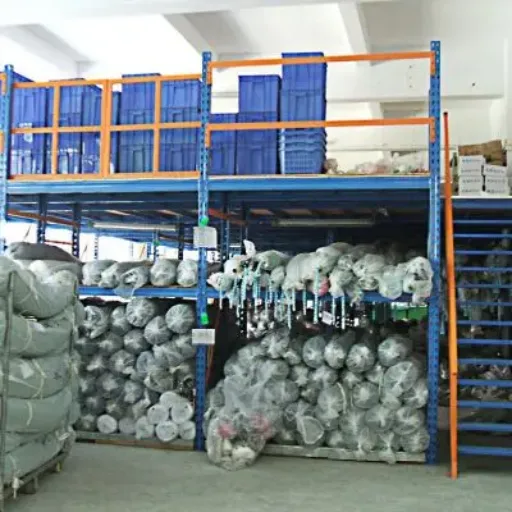
A pallet rack mezzanine operates as an elevated platform which connects to existing pallet racking systems to create additional storage capacity and workspaces for warehouses and facilities. The design of these mezzanines enables vertical space utilization to create additional usable area without making any structural changes to the building. Pallet rack mezzanines use durable steel frames which enable them to handle heavy loads while providing operators the ability to configure their space according to different operational requirements.
The research conducted by industry experts shows that businesses which implement mezzanine systems in their facilities can achieve storage capacity increases between 50 percent and 100 percent which depends on their specific facility design and height. The modular design permits custom design options which enable users to add stairs and guardrails and conveyor systems, thereby improving their logistics operations. The installation process for these mezzanines remains economical and efficient because they need no permanent building changes, which makes them faster to install than building extensions.
Core Benefits of Rack Supported Mezzanines
Maximizing Vertical Space
Businesses can utilize their vertical storage space in their warehouses and operational facilities through the installation of rack supported mezzanines. Companies can increase their storage capacity by using vertical storage solutions which allow them to store items at greater heights without building more storage facilities. Research studies show that mezzanine systems enable businesses to achieve a storage space increase of 50 percent through their implementation.
Cost-Effectiveness
The expenses of rack supported mezzanines stand at a lower price point than those of constructing new buildings or building extensions. The system uses current building spaces together with active business processes to deliver budget savings and faster system deployment. Further research shows that businesses can cut their expenses between 60 and 70 percent through mezzanine installation instead of using standard construction methods.
Scalability and Flexibility
The company designed their mezzanine systems to create flexible storage solutions which meet specific business requirements. The mezzanine system provides businesses with an option to develop their operational design through its shelving system and conveyor system and work area. Businesses can use modular system components to design new operations or expand their current systems according to future requirements.
Improved Workflow and Efficiency
The establishment of dedicated inventory areas on mezzanine levels enables businesses to enhance their operational processes and increase employee productivity. E-commerce companies that implement these systems experience shorter times for packing and retrieving orders which leads to faster inventory turnover.
Impact on Warehouse Space Utilization
Enhancing Vertical Space with Mezzanine Systems
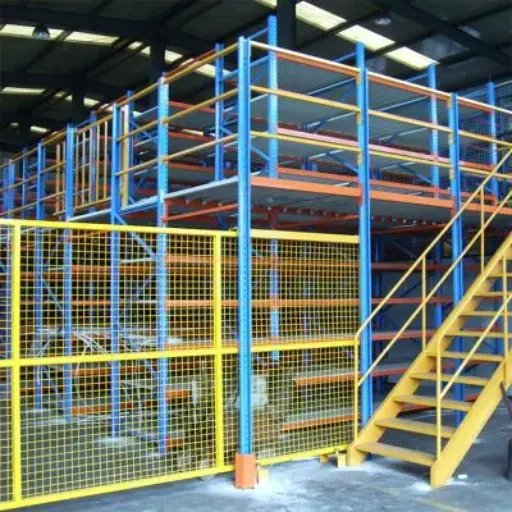
Mezzanine systems help businesses in their warehouses because these systems create effective solutions to handle their complete vertical storage capacity. The system creates additional storage capacity through its design which establishes a third storage level between existing floor and ceiling dimensions without requiring any costly construction work. Mezzanine systems enable buildings to achieve usable space increases between 50% and 50% based on their architectural height and design.
The development of mezzanine systems has reached a critical stage which helps organizations to create their workspace according to their unique operational requirements. Organizations can use modular mezzanine systems to construct their buildings because these systems enable easy installation which accommodates later system growth and site changes. Organizations can use contemporary materials such as structural steel and reinforced aluminum to build systems that deliver both strength and weight capacity which protects their heavy machinery and inventory items and equipment.
Operational Efficiency Gains
Mezzanine systems enable businesses to achieve increased operational efficiency through their combined benefits of improved storage space and better operational performance. Recent research shows that warehouse picking accuracy improves through mezzanine systems which create organized storage areas that help workers complete their tasks. Mezzanine-equipped warehouses achieve order processing speeds which exceed 15-25% compared to their standard operations, enabling them to meet customer demands more effectively during the fast-paced e-commerce environments.
The ability to segment operations across multiple levels also minimizes cross-traffic and physical bottlenecks on warehouse floors, increasing productivity. Researchers discovered that businesses experience higher order volumes during seasonal demand increases, which they can handle through operational expansion with modular mezzanine systems.
Safety Standards and Structural Requirements

Compliance with Industry Safety Regulations
The implementation of mezzanine systems in warehouses requires compliance with industry safety standards which protect workers and ensure that the systems remain safe and operational. The first step of compliance requires organizations to follow OSHA (Occupational Safety and Health Administration) standards which the U. S. system establishes for fall protection and safe access points and load-bearing capacity requirements. The OSHA regulations mandate that guardrails be installed to protect exposed edges from falls while the staircase dimensions must meet specific height and width requirements.
The building regulations of the local area and the International Building Code (IBC) require adherence to their requirements. The IBC establishes fire safety regulations which demand fire-rated flooring and specific sprinkler system installation procedures. A 2023 report The Transparency Market Research study predicts that companies will adopt compliant mezzanine systems throughout the world which will reach a market value exceeding $10 billion by 2030 due to increased safety awareness.
Load Capacity and Structural Integrity
A mezzanine design must consider load capacity and structural integrity because these elements determine both safety and usability. Industrial mezzanines require floor load capacities between 125 and 150 pounds per square foot although the specific requirement depends on the application. Facilities that use heavy-duty mezzanines for machinery storage or heavy equipment operations must develop engineered designs which enable them to handle loads of more than 200 pounds per square foot.
Steel serves as the primary material for structural applications because it provides building projects with both strength and lightweight features. Structural steel platforms deliver both durability and stability which becomes essential for mezzanines that will face dynamic or uneven weight distribution.
Cost-Benefit Analysis of Pallet Rack Mezzanines

Comparing Mezzanines to Facility Expansion
Cost Efficiency
The total costs for facility expansion work start at $200 per square foot and reach $300 per square foot because of the selected location and building materials and labor costs. The expansion process requires extensive time for planning and obtaining necessary permits. The cost for mezzanine installations only requires businesses to pay between $50 and $150 for each square foot according to the required specifications and included elements which consist of shelving and safety rails and fire-resistant materials. Companies should choose mezzanines because they help control costs while enabling fast business expansion according to the price difference between mezzanines and other options.
Time Savings
A mezzanine system needs only a few weeks for its complete construction and installation which results in minimal operational disruptions to ongoing work activities. Facility expansions need several months or multiple years to finish because they require both zoning permission and detailed construction blueprints and extended building periods. Mezzanines provide industrial and warehouse spaces with immediate demand needs through their quick installation capabilities.
Space Maximization
Facility expansions need building extensions or structural alterations because current facilities face space restrictions and building code limitations. Organizations use mezzanines to transform their existing spaces into vertical storage systems. The system provides an optimal storage solution for high-ceiling warehouses because it enables the storage of products on vertical shelves while maintaining all operational activities within existing building space.
Future Flexibility
Businesses use mezzanines to create operational spaces which they can adjust according to their organizational requirements through their modular design. Facility expansions need permanent building changes because they produce permanent structural transformations.
Long-Term Financial Benefits
The implementation of mezzanine systems delivers immediate cost reductions and rapid deployment schedules which result in significant financial advantages that continue to benefit organizations throughout their entire operational lifespan. The vertical space usage enables businesses to save expenses because they avoid spending on additional land acquisition. Recent data shows that United States commercial property costs have increased significantly with industrial properties now priced between $100 and $300 per square foot in urban locations. The implementation of mezzanine systems removes the requirement for expensive investments which results in a solution that costs less to implement.
The operational expenses of a business decrease through the use of mezzanines. The expenses related to heating and cooling along with space maintenance will become substantial costs for the business. The existing structures of the business enable mezzanines to deliver operational energy cost reductions between 10 and 30 percent when compared with building entirely new facilities. The use of mezzanines allows businesses to better manage their assets because these modular investments can be relocated to different sites when their operational needs change, which reduces the risk of asset depreciation.
Building a Pallet Rack Mezzanine Project

Planning and Design Considerations
Weight Capacity and Usage
The loading requirements of your mezzanine must be understood to complete its evaluation work. The pallet rack mezzanine design requires construction of a system which can support both stored materials and working personnel and operational equipment. The mezzanine systems of the industry show typical load capacities which range from 125 PSF to 250 PSF based on their particular application requirements.
Space Utilization and Layout
The organization requires businesses to use both their vertical and horizontal spaces properly. The design of a mezzanine system allows businesses to decrease their need for floor space by 60 percent. The mezzanine design needs to include elements which enable staff members to access stored materials while creating empty spaces that allow movement throughout the area.
Compliance with Building Codes and Permits
The primary requirements for compliance work according to local building codes and safety regulations which apply to the specific area. The International Building Code and Occupational Safety and Health Administration standards demand that organizations obtain permits before establishing mezzanines. When organizations do not follow regulations they must pay extra costs while their projects experience delays.
Safety Features
Guardrails and kick plates and safety gates function as vital safety components which protect both workers and materials. The implementation of complete safety measures by organizations results in a 25 percent reduction of workplace injuries according to statistical evidence.
Key Components of a Mezzanine Rack System
Primary Framework
Engineers construct mezzanine rack systems with a framework which they build from high-strength steel materials to create their structural foundation. The research shows that high-grade steel materials which have yield strengths starting from 250 MPa maintain their strength throughout their service life while supporting heavy loads. The mezzanine decking functions as its surface which can be built with wooden materials or steel grating or composite panels.
Support Columns
The vertical structures support the mezzanine weight while transferring it down to the foundation. Engineers design modern support columns to provide maximum floor area because they use minimal cross-sectional dimensions which maintain structural integrity. Businesses that require flexible space solutions have made adjustable columns their preferred system for this purpose.
Stairways and Access Points
The upper levels of the mezzanine require access which stairways and ladders and lift systems provide. OSHA and IBC safety standards dictate that stairways should have a minimum width of 36 inches and handrails for safe operation. The organization designed access points to improve both workflow efficiency and security.
Safety Features
Mezzanine systems achieve risk reduction through their safety features which include guardrails kick plates and impact-resistant barriers and anti-slip surfaces. The majority of guardrails which meet OSHA standards maintain a height of 42 inches together with mid-rails and toe boards to stop people from falling.
Storage and Shelving Components
Pallet racking systems establish complete integration which enhances vertical and horizontal storage space. Businesses can design their shelving systems with custom layouts which enable them to store items securely while retrieving them with ease.
Frequently Asked Questions (FAQs)
What is a pallet rack system and how does it work for mezzanine storage?
A pallet rack system serves as a storage solution which uses rack uprights and beams to create an assembly that supports both pallet rack platforms and mezzanine systems, enabling warehouses and distribution centers to maximize their vertical storage capabilities. The combination of a pallet rack system with a pallet rack supported mezzanine allows pallet racks to function as both storage systems and primary structural components which support a mezzanine platform, enabling the creation of storage areas, office environments, and pick module spaces without requiring building expansion.
How does a pallet rack supported mezzanine differ from a traditional steel mezzanine?
A pallet rack supported mezzanine uses its pallet rack system which includes uprights and beams to provide structural support instead of relying on separate structural elements. The system enables warehouse operators to expand their storage space requirements through the combination of storage racks and mezzanine elements, which streamlines their warehouse space allocation process. Traditional steel mezzanine systems use independent structural supports which provide custom design options to handle heavy loads and complex mezzanine systems, yet these designs require additional floor space and different permit requirements.
Can shelve and pallet rack mezzanine systems be combined for parts storage?
Yes, shelve, steel shelving, and pallet rack mezzanine systems can be combined to create mezzanine storage tailored to specific needs like parts storage or automotive parts. The integration of shelving and cantilever racking systems with mezzanine areas and platform spaces enables businesses to optimize their available space while enhancing order picking operations and supporting their manufacturing and maintenance needs.
Are used pallet rack mezzanines a safe and cost-effective option?
Used pallet rack mezzanines provide an affordable solution for warehouse operators who want to boost their storage space but their safety standards depend on the equipment's condition and the thoroughness of inspections and the used systems' compliance with regional regulations.
Recently Posted
-
Logistics Metal Cages and Pallets: Revolutionizing Material Handling in Supply Chains
March 11, 2026The success of a supply chain operation depends on its capacity to handle materials efficiently. The industry sector needs to enha Read More
 -
Warehouse Rack & Metal Shelving: Effective Storage Solutions for Pallet
March 10, 2026Effective storage solutions underpin any well-organized warehouse or industrial facility. As the demand for streamlined operations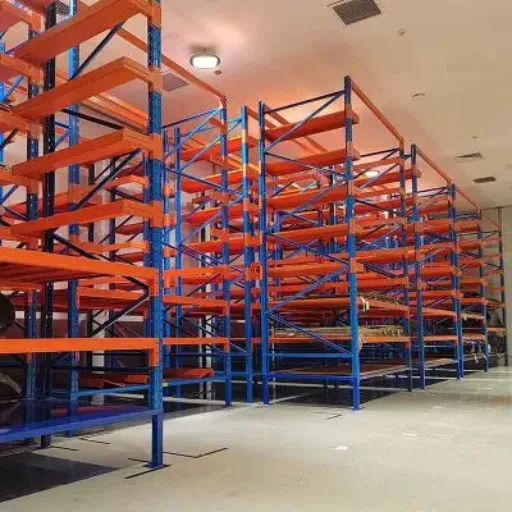 Read More
 -
Gravity Flow Racking: FIFO Carton Flow Shelve Systems
March 10, 2026Proper inventory management is the key to any successful warehouse operation, which is why choosing the right storage solutions is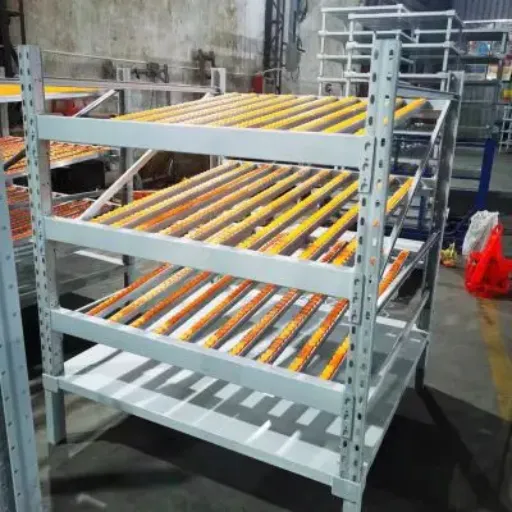 Read More
 -
Portable Stackable Pallet Rack for Warehouse Storage: Optimize Your Space
March 10, 2026For every warehouse or industrial facility some of the aims are to make sure storage spaces are the largest and arranged in the mo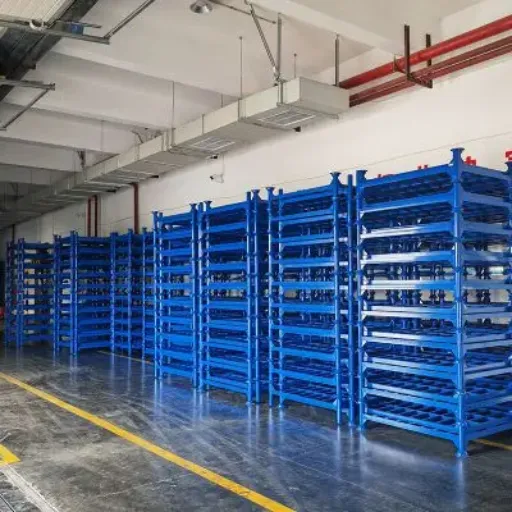 Read More

Contact Us
Recommended Products
-
 Robust Drive-in Pallet Racking for High-Density Warehouse StorageNegotiableMOQ: 1 Kilogram
 -
Corrosion-Resistant Metal Stacking Racks for Chemical Plant UseNegotiableMOQ: 500 Sets
-
Stackable Steel Pallets Space Saving Metal Pallet for Industrial Warehouse ManagementNegotiableMOQ: 100 Pieces
-
Industrial Steel Mesh Trolley With Reinforced Frame for Laundry and Garment FactoriesNegotiableMOQ: 500 Sets
-
Heavy Duty Wire Mesh Cage With 2mm Wire Diameter for Construction UseNegotiableMOQ: 50 Sets
-
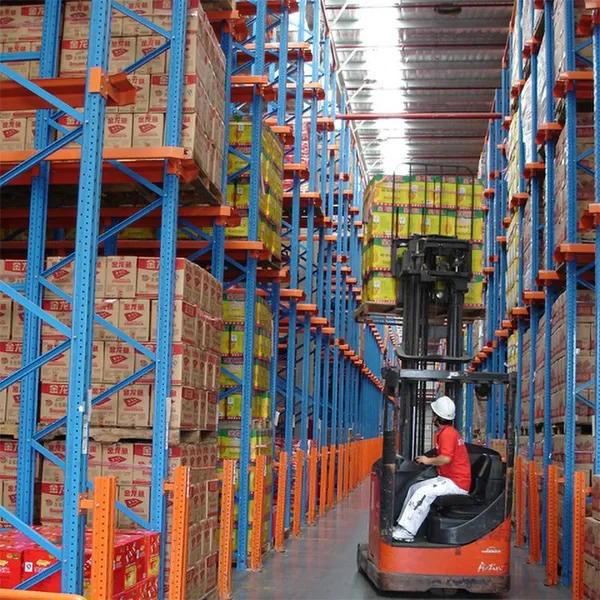
Jinchuan Steel Beam-type Shelves - Universal, Efficient, Random Access, High-level Heavy-duty Storage Racks With Customizable SizesUS$ 90.77 - 92.31MOQ: 10 Sets
-
Multi-Purpose Stackable Plastic Storage Bins for Warehouse and Farm ApplicationsNegotiableMOQ: 10 Sets
-
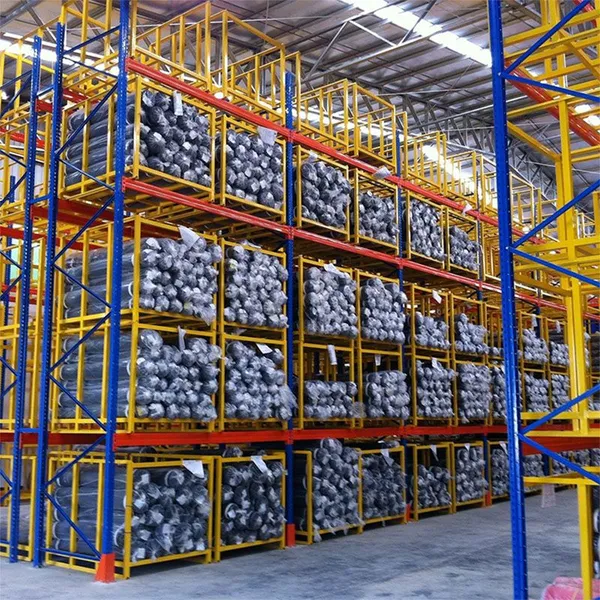
Steel Textile Roll Storage Rack for Carpet and Warehouse OrganizationNegotiableMOQ: 100 Sets
-
Stackable Storage Cage for Pharmaceutical Warehouse ComplianceNegotiableMOQ: 50 Sets
-
Industrial Metal Stacking Racks for Automotive Parts StorageNegotiableMOQ: 500 Sets
-
Custom Sized Wire Mesh Cage for Industrial Parts and Tool OrganizationNegotiableMOQ: 50 Sets
-
Standard Compliant Wire Mesh Cage With Mill Test Report for Quality AssuranceNegotiableMOQ: 50 Sets
-
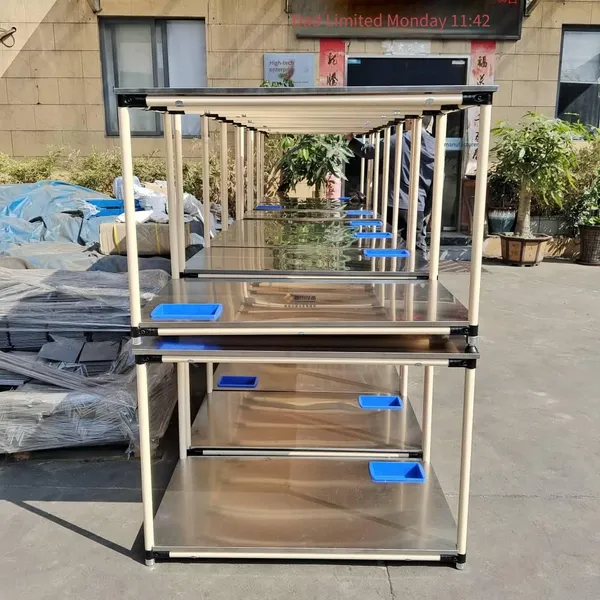
Jinchuan Non-standard Steel Lean Tube Trolley, Flexible Customization, Strong Adaptability, Easy Assembly, Flexible TransformationUS$ 121.54 - 123.08MOQ: 10
-
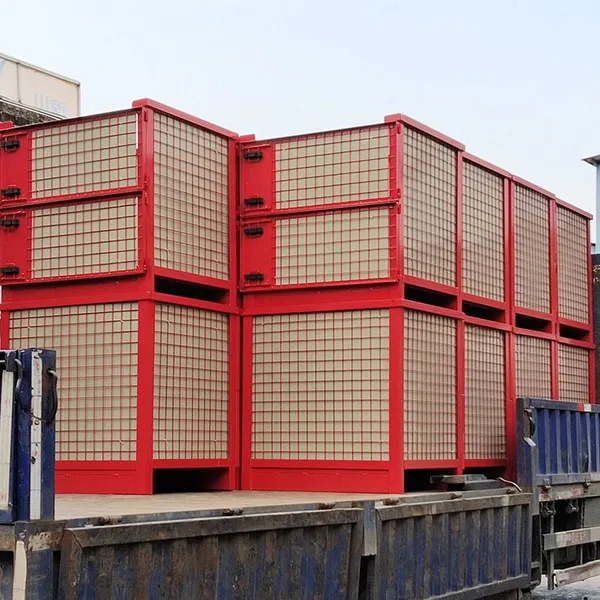
Jinchuan Non-standard Agv Steel Pallet Buffer Storage Rack, Intelligent Docking, Efficient Circulation, Flexible Buffering, Reducing Manual HandlingUS$ 121.54 - 123.08MOQ: 50 Sets
-
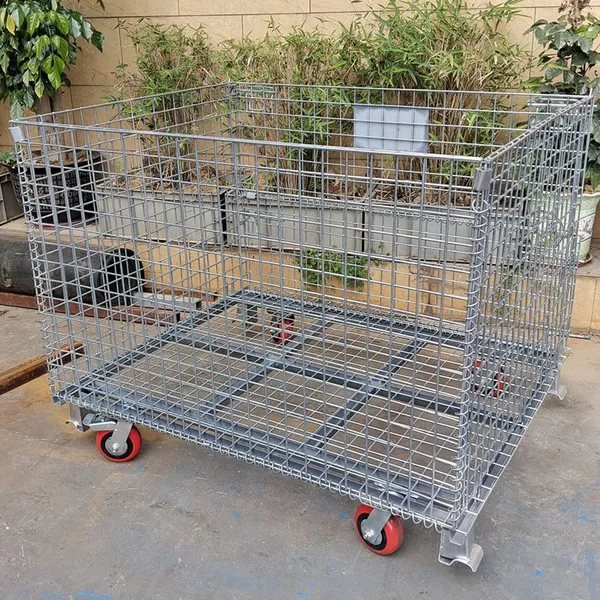
Jinchuan Steel Ctu Material Box Robot Shelving With Adjustable Layer Height, Suitable for High-density Storage of Small Items in Multiple CategoriesUS$ 136.92 - 138.46MOQ: 10 Sets
-
Jinchuan Warehouse High - Rise Stereo Warehouse Shelves, Intelligent Collaboration, Automated and Efficient Operation, Heavy - Load and Stable, Safe and ReliableUS$ 121.54 - 123.08MOQ: 10 Sets
-
Heavy-Duty Industrial Profile Stacking Cart, Galvanized Steel Rolling Trolley for Aluminum Extrusion TransportNegotiableMOQ: 10 Pieces
-
Jinchuan Steel Heavy-duty Shuttle Rack With Flexible Storage Mode for Automatic Goods Access and Remote ControlUS$ 121.54 - 123.08MOQ: 10 Sets
-
Aluminum Alloy Logistics Trolley for Warehouse & ManufacturingNegotiableMOQ: 10 Sets
-
Heavy-Duty Warehouse Storage Racks for Robot Systems - Metal ConstructionNegotiableMOQ: 50 Pieces