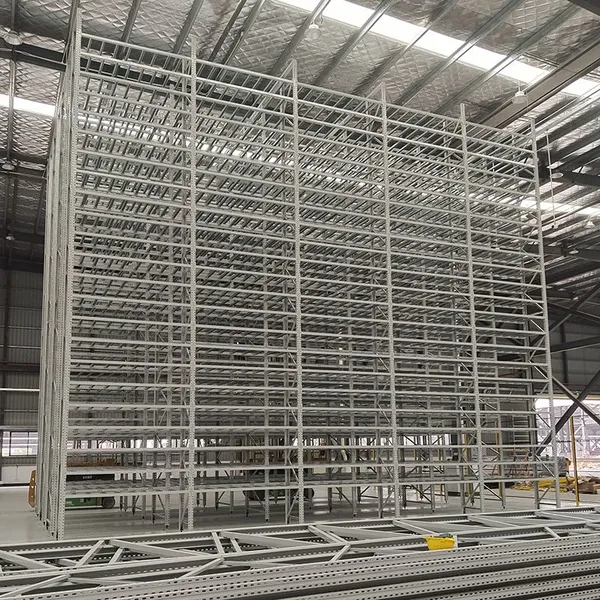

 Business License

Logistics Warehouse Racking: Optimizing Your Warehouse Storage Solutions
The backbone of every successful logistics operation depends on efficient storage solutions. The critical role of warehouses in supply chain operations forces businesses to optimize their storage space as a mandatory requirement. The blog post investigates warehouse racking systems which demonstrate their capability to improve facility structure and complete space utilization while creating productivity enhancements. The best practices for logistics racking enable all businesses to achieve greater operational efficiency while maintaining their competitive advantage in the marketplace. The article explains essential components of effective racking solutions which have the potential to transform warehouse operations.Find more info now.
Introduction
Current State of the Warehouse Industry
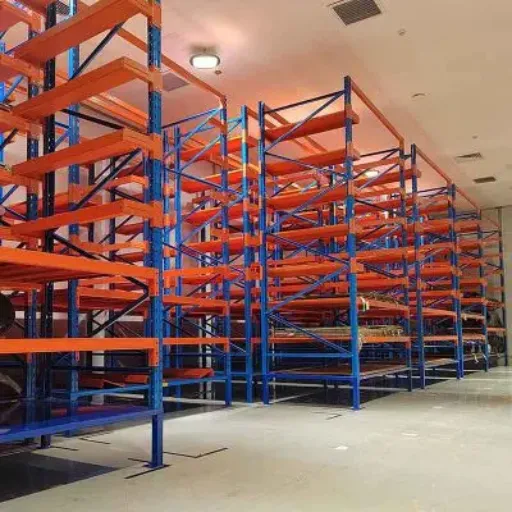
The warehouse industry undergoes essential transformations because e-commerce and automation technology development create rapid progress. According to recent reports the global warehouse market achieved a value of about $245 billion in 2022 and it will grow at a compound annual growth rate of 7.4% until the year 2030. The demand for quicker deliveries combined with advanced storage technologies and improved inventory management systems fuels this market expansion.
The industry reaches its highest level of development through the rising implementation of automated technologies and robotic systems. The industry now uses Automated Guided Vehicles (AGVs) robotic picking systems and warehouse management software as essential operational efficiency tools. The warehousing industry has adopted sustainable practices through solar energy systems and energy-efficient lighting solutions and environmentally friendly building designs.
Importance of Efficient Racking Solutions
Efficient racking solutions enable warehouses to achieve operational excellence while controlling inventory and generating maximum storage space. The recent industry reports show that organizations using high-density racking systems which include pallet flow racks and mobile racking systems will achieve storage efficiency gains of up to 40% when compared to traditional shelving systems. The systems enable warehouses to use more vertical space which benefits operations that deal with both limited warehouse space and fast-growing inventory needs.
Modern automated racking systems not only enhance space efficiency but also cut down labor expenses while decreasing the possibility of human mistakes. A study conducted by McKinsey found that automated storage and retrieval systems (AS/RS) enable order fulfillment rates to increase by 20 to 30 percent which results in faster and more precise operational processes.
Types of Warehouse Racking Systems
Pallet Rack Systems
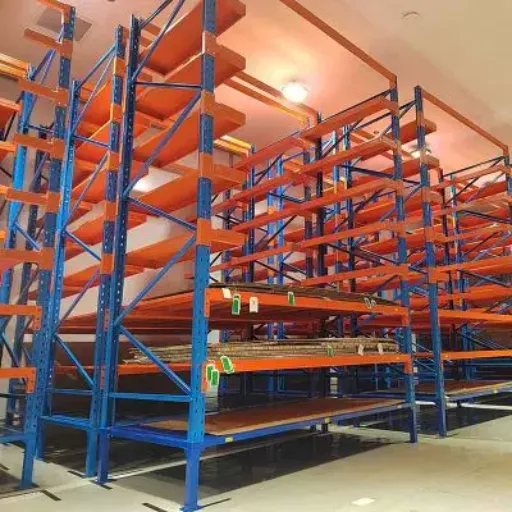
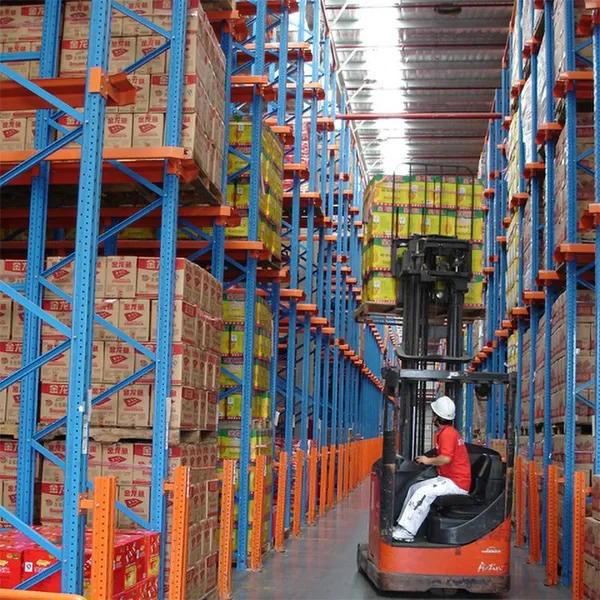
Pallet rack systems serve as the primary warehouse storage solution because they enable warehouses to store products in organized areas while maintaining product safety through their efficient storage systems. The systems operate by storing palletized materials in horizontal rows and vertical levels which leads to maximum storage capacity within a warehouse environment. The system provides multiple design options which enable it to meet various storage requirements.
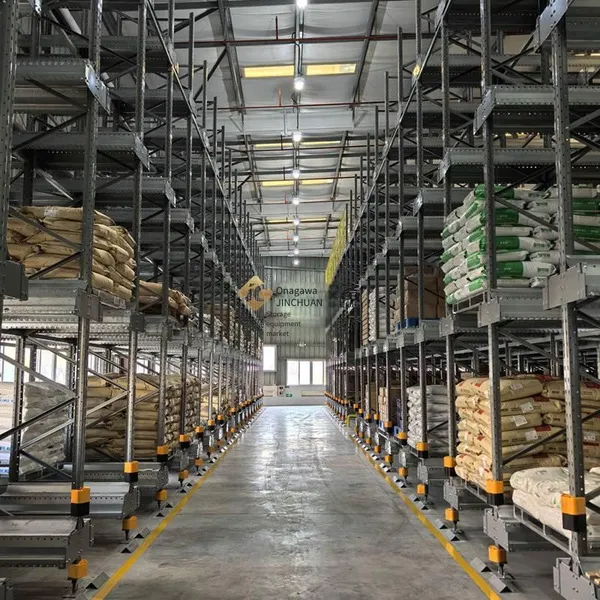
The most popular types of pallet racks include selective racks, drive-in racks, push-back racks, and pallet flow racks. Selective pallet racking provides full pallet access which makes it the best choice for warehouses that store multiple product types. Drive-in racks enable high-density storage because they permit forklifts to navigate through racks which results in reduced space requirements.
Used Pallet Racks
Businesses that need to optimize their warehouse storage spaces can achieve their objectives through the use of used pallet racks which function as a budget-friendly solution that eliminates the necessity for expensive new equipment. Through the purchase of pre-owned racks businesses can decrease their expenses by 30 to 50 percent based on the existing condition and type of racks and the vendor.
The evaluation process for used pallet racks requires a complete inspection to determine their structural integrity. Safety assessment requires evaluation of all factors that include rust and bent frames and missing components. Selective pallet racks serve multiple purposes because they represent one of the most widely used rack types which customers can find in the market. The system provides easy pallet access which functions effectively in warehouses that operate FIFO inventory management.
Safety Standards in Warehouse Racking

Compliance with Safety Regulations
The warehouse operations need to follow safety regulations because these regulations protect workers while maintaining operational performance. The main criteria for assessment require the evaluation of OSHA regulations which define particular requirements for warehouse racking systems used in the United States. The OSHA standard 1910.176(b) requires that stored materials must use stacking and racking and blocking and interlocking and other methods to secure materials so they will not slide or collapse. The organizations which do not comply with these standards will encounter three principal outcomes which include employee accidents and operational downtime and monetary fines.
Organizations must implement the Rack Manufacturers Institute (RMI) specifications which mandate them to follow ANSI MH16.1 standards. The guidelines establish structural design standards and testing requirements for industrial pallet racks which ensure proper management of load capacity. The 2022 report demonstrated that businesses which failed to follow these guidelines experienced 15 percent of their warehouse accidents which involved rack collapses. The results show that safety inspections together with maintenance of equipment create effective safety solutions.
Importance of Regular Inspections
Regular inspections serve as an essential safety maintenance procedure which helps warehouses and industrial facilities achieve their operational goals. The recent industry report shows that facilities which perform regular inspections achieve a 30 percent reduction in accident rates. This provides evidence that workplace safety depends on these inspections which act as essential protective measures. The maintenance team uses regular inspections to find initial equipment problems and building security issues which allow them to prevent expensive equipment failures while they fulfill OSHA standards.
The inspection process becomes more efficient and precise because of advancements in inspection technology. Drones together with AI-powered analysis systems provide quick assessment of unreachable areas while they report real-time updates about building stability and system faults. A 2023 study demonstrates that organizations which implement AI-based maintenance solutions experience a 40% reduction in equipment failure rates.
Space Optimization Strategies
Vertical Space Utilization
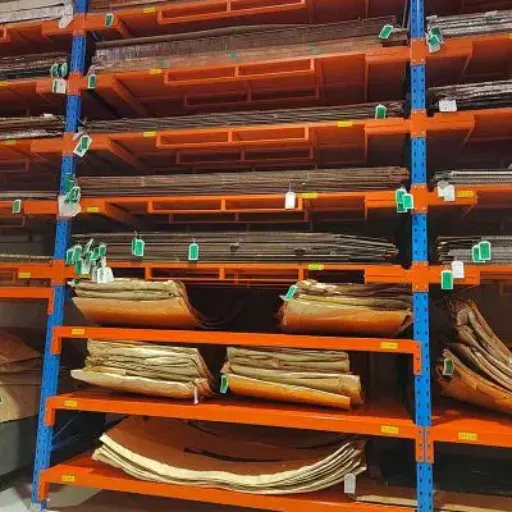
Using all available height space to improve storage systems provides the most effective method to enhance warehouse operational efficiency. Facilities that utilize their entire vertical space achieve maximum storage capacity without requiring additional land which becomes essential as global property prices increase.
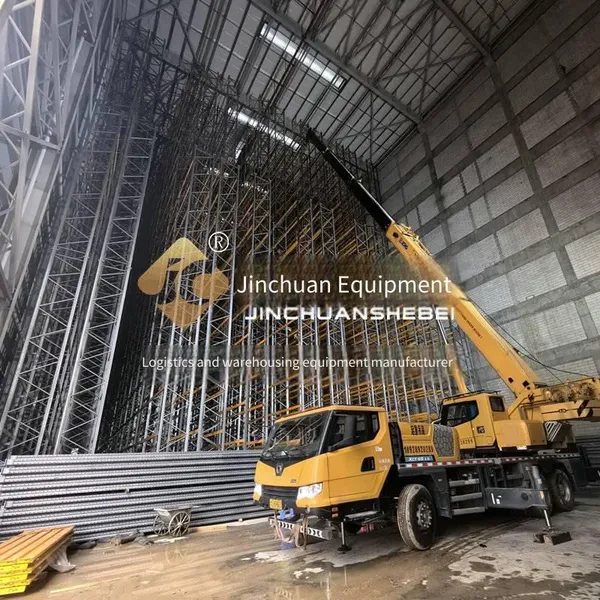
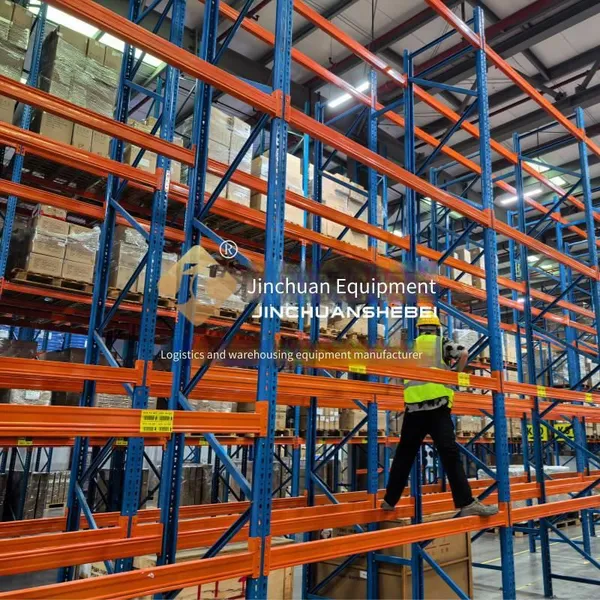
High-rise pallet racking systems present a successful solution for achieving vertical space utilization in facilities. The warehouse optimization experts demonstrate that these systems achieve an 80% storage capacity increase for businesses which handle large quantities of products. The automated storage and retrieval systems (AS/RS) process enables warehouses to find items located in upper storage areas which leads to a 30% faster picking process than traditional methods according to MHI.org 2023 report.
Maximizing Storage Capacity with Racking Solutions
The distribution centers and warehouses depend on racking solutions which function as crucial elements that enable them to reach their total storage capacity. The systems enable businesses to make use of vertical space which results in less requirement for large floor space. The recent industry research shows that high-density racking systems improve storage efficiency by 40% which enables organizations to maintain their existing storage capacity while increasing their product inventory.
Pallet racking systems which include selective, drive-in, and push-back racks serve as a widely used solution to meet different operational requirements. Selective racking enables operations with multiple SKUs to use the system because it provides direct access to all stored products. The drive-in racks permit forklifts to drive into the storage area which enables companies to achieve maximum storage capacity for their bulk materials. Research shows that businesses can use automated or mobile racking systems to increase their storage capacity two times while keeping their facilities accessible.
Warehouse Pallet Racking Accessories
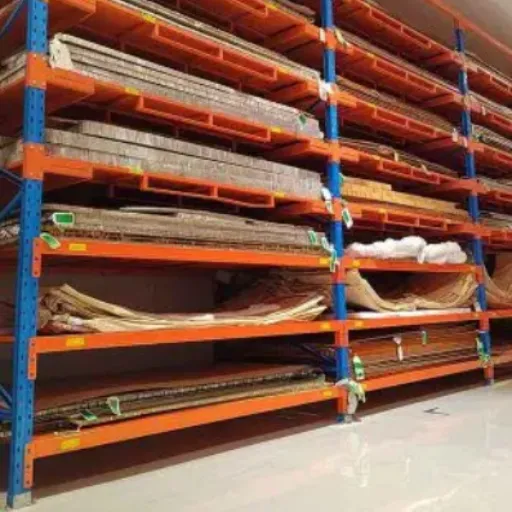
Enhancing Functionality with Accessories
The primary purpose of warehouse pallet racking accessories exists to improve storage systems through three main benefits which include enhanced operational performance and better safety features and adaptable storage options. The racking systems operate with wire decking and pallet supports which function as safety equipment that enables users to maintain operational capabilities while using column protectors. Wire decking provides multiple advantages because it helps distribute weight evenly while enabling sprinkler systems to operate their fire protection functions throughout all building areas.
Column guards and beam locks function as safety equipment because they create a protective barrier which prevents damage to the racking system thus extending its lifespan while eliminating the need for costly system replacements. The warehouse safety accessory market currently shows increased demand because 30% more companies have invested in safety equipment during the last five years to protect their employees from work-related dangers.
Choosing the Right Accessories for Your Needs
1. Inventory-Specific Attachments: Warehouse operations which handle small delicate items require dividers because these dividers prevent movement during handling thus protecting the items from damage. Pushback attachments work exceptionally well for high-density storage needs because they enable last-in, first-out (LIFO) inventory systems which optimize up to 85% of pallet racking space according to recent findings.
2. Adjustable Shelving Systems: The shelving system offers customers adjustable height options which enable them to use vertical space efficiently. The system provides users with height adjustment options, which enables them to make use of all available vertical storage capacity. The 2023 trends data shows that adjustable shelving searches increased by 20%, which demonstrates their current relevance to today's facility operations.
3. Integration with Automation: The operational benefits of accessories that operate with warehouse automation systems come from their ability to work with both conveyor systems and robotic picker technology. Studies show that when automated systems use the correct accessories, they can achieve picking accuracy rates that exceed 99% which results in higher customer satisfaction.
Frequently Asked Questions (FAQs)
How do beam levels affect warehouse storage and weight capacity?
Beam levels (the horizontal pallet rack beams) determine how many storage levels you can have and the weight capacity per level; heavier-duty pallet rack beams and upright posts increase load capacity for pallets loaded with heavy products. The design of warehouse storage needs to include the required number of beam levels which needs to be combined with weight capacity requirements for each bay and the decision between single-deep double-deep or high-turnover layouts which will affect how pallet storage racks and material handling equipment operate.
What deck options exist for pallet rack decking and how do they change storage needs?
The deck options which include wire decking steel decks and wood panels will create different storage requirements because they affect airflow and fire suppression access and load distribution. Wire decks are common for industrial warehouse use because they let sprinkler systems penetrate and work with beam levels to support pallets, while steel storage decks provide a flat surface for smaller SKUs or non-palletized goods.
How can warehouse storage layout influence forklift access and loading and unloading?
The layout of a warehouse determines the dimensions of aisles and the position of bays and the operational behavior of forklifts which support first-in/first-out or first-in/last-out storage systems. The right layout needs to establish a relationship between storage space requirements and bay depth and equipment handling capabilities; for cross-aisle traffic and pallet loading/unloading, plan aisles for the type of forklift, two upright frame access, and whether you’ll use cantilever racks for long loads.
What safety steps are required for anchoring pallet racks and upright frames to the floor?
Pallet rack installation requires footplates which need to be anchored to the floor together with proper anchoring fasteners and regular inspections which ensure upright plumbness. The stability of heavy-duty pallet systems increases when their components are anchored to the ground; only use approved methods which comply with manufacturer instructions and local regulations to secure upright frames and equipment.
Recently Posted
-
Logistics Metal Cages and Pallets: Revolutionizing Material Handling in Supply Chains
March 11, 2026The success of a supply chain operation depends on its capacity to handle materials efficiently. The industry sector needs to enha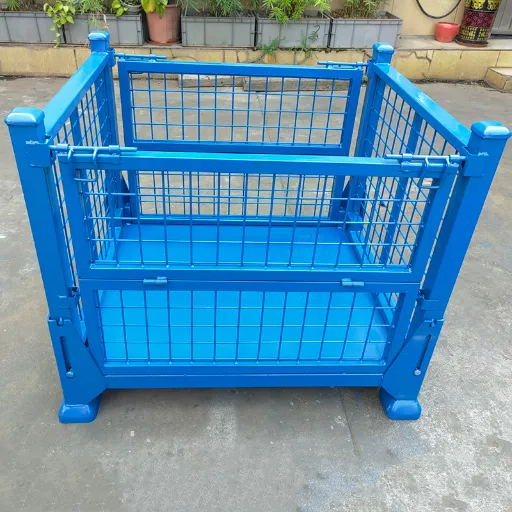 Read More
 -
Warehouse Rack & Metal Shelving: Effective Storage Solutions for Pallet
March 10, 2026Effective storage solutions underpin any well-organized warehouse or industrial facility. As the demand for streamlined operations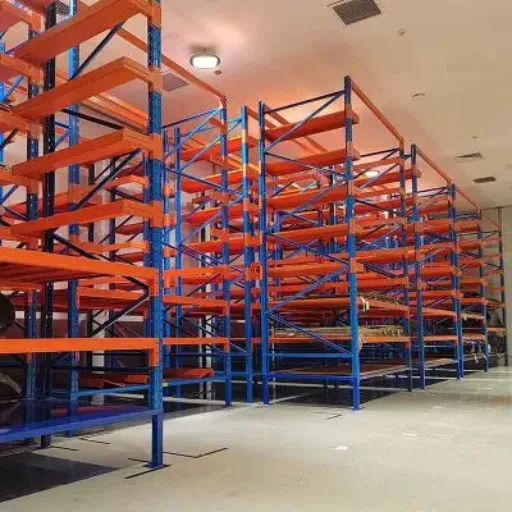 Read More
 -
Gravity Flow Racking: FIFO Carton Flow Shelve Systems
March 10, 2026Proper inventory management is the key to any successful warehouse operation, which is why choosing the right storage solutions is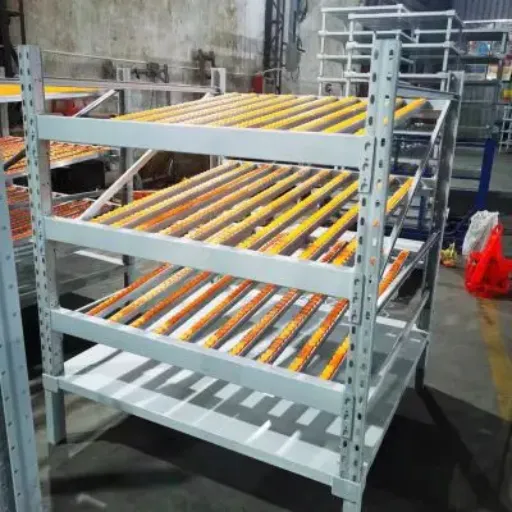 Read More
 -
Portable Stackable Pallet Rack for Warehouse Storage: Optimize Your Space
March 10, 2026For every warehouse or industrial facility some of the aims are to make sure storage spaces are the largest and arranged in the mo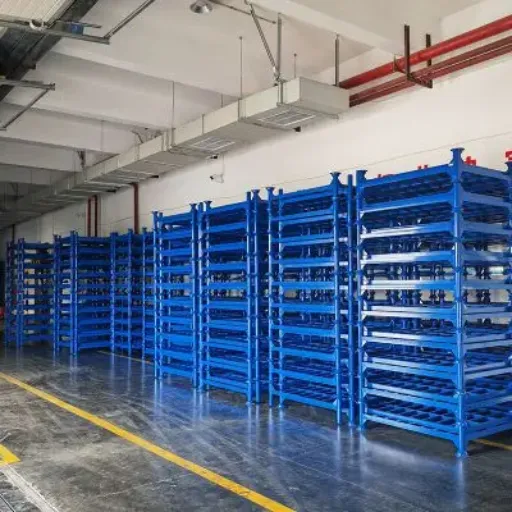 Read More

Contact Us
Recommended Products
-
 Robust Drive-in Pallet Racking for High-Density Warehouse StorageNegotiableMOQ: 1 Kilogram
 -
Corrosion-Resistant Metal Stacking Racks for Chemical Plant UseNegotiableMOQ: 500 Sets
-
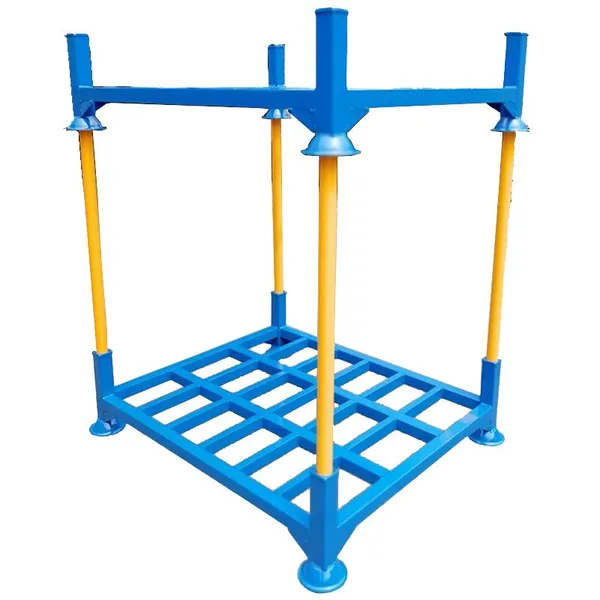
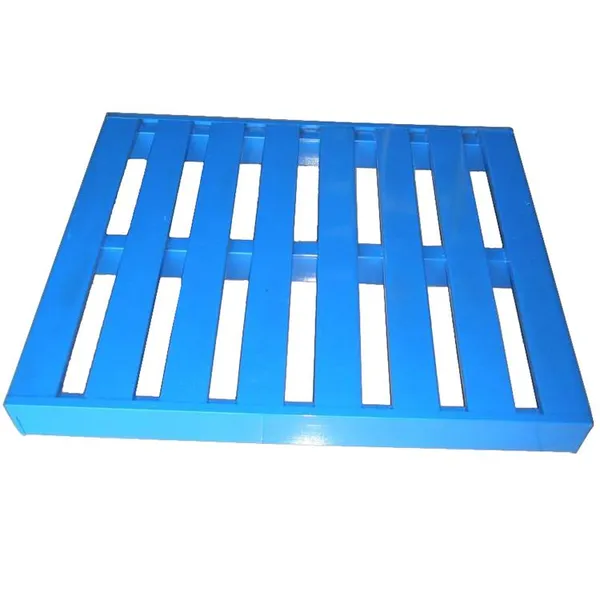
Stackable Steel Pallets Space Saving Metal Pallet for Industrial Warehouse ManagementNegotiableMOQ: 100 Pieces
-
Industrial Steel Mesh Trolley With Reinforced Frame for Laundry and Garment FactoriesNegotiableMOQ: 500 Sets
-
Heavy Duty Wire Mesh Cage With 2mm Wire Diameter for Construction UseNegotiableMOQ: 50 Sets
-
Jinchuan Steel Beam-type Shelves - Universal, Efficient, Random Access, High-level Heavy-duty Storage Racks With Customizable SizesUS$ 90.77 - 92.31MOQ: 10 Sets
-
Multi-Purpose Stackable Plastic Storage Bins for Warehouse and Farm ApplicationsNegotiableMOQ: 10 Sets
-
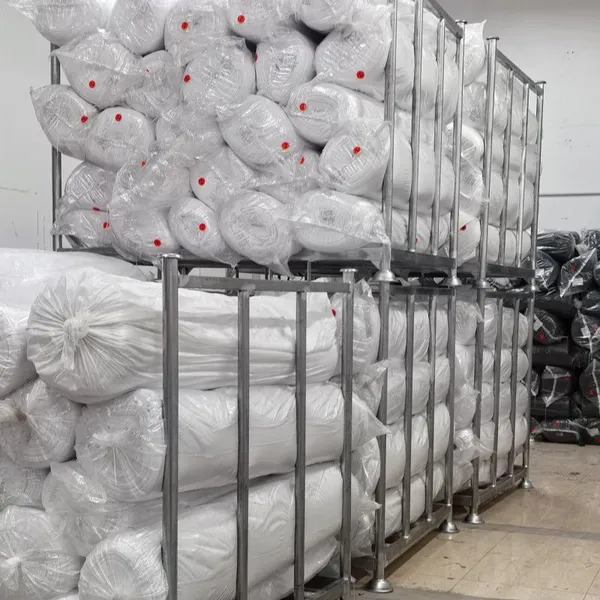
Steel Textile Roll Storage Rack for Carpet and Warehouse OrganizationNegotiableMOQ: 100 Sets
-
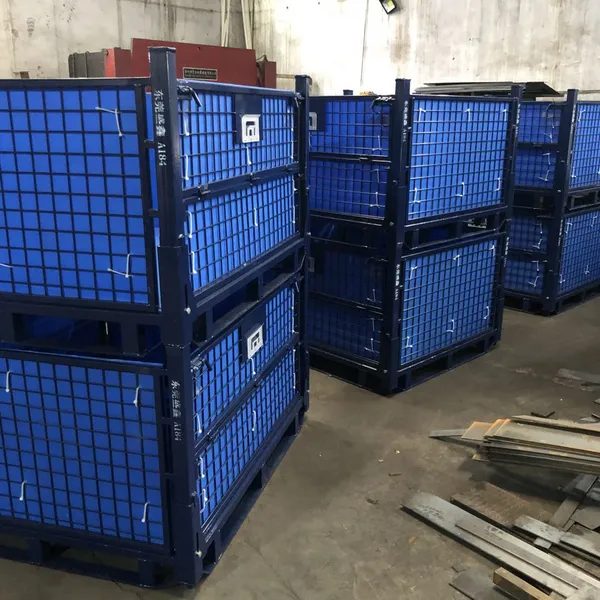
Stackable Storage Cage for Pharmaceutical Warehouse ComplianceNegotiableMOQ: 50 Sets
-
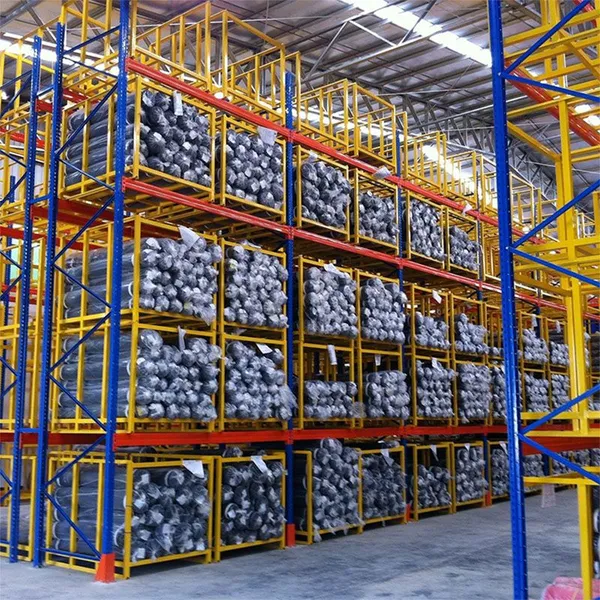
Industrial Metal Stacking Racks for Automotive Parts StorageNegotiableMOQ: 500 Sets
-
Custom Sized Wire Mesh Cage for Industrial Parts and Tool OrganizationNegotiableMOQ: 50 Sets
-
Standard Compliant Wire Mesh Cage With Mill Test Report for Quality AssuranceNegotiableMOQ: 50 Sets
-
Jinchuan Non-standard Steel Lean Tube Trolley, Flexible Customization, Strong Adaptability, Easy Assembly, Flexible TransformationUS$ 121.54 - 123.08MOQ: 10
-
Jinchuan Non-standard Agv Steel Pallet Buffer Storage Rack, Intelligent Docking, Efficient Circulation, Flexible Buffering, Reducing Manual HandlingUS$ 121.54 - 123.08MOQ: 50 Sets
-
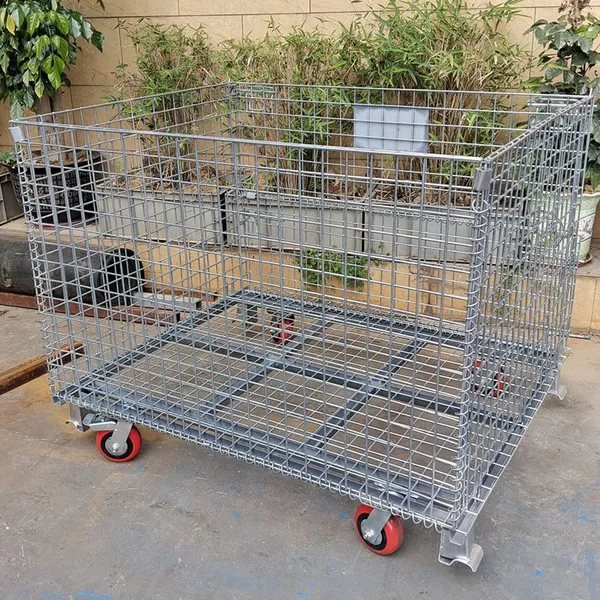
Jinchuan Steel Ctu Material Box Robot Shelving With Adjustable Layer Height, Suitable for High-density Storage of Small Items in Multiple CategoriesUS$ 136.92 - 138.46MOQ: 10 Sets
-
Jinchuan Warehouse High - Rise Stereo Warehouse Shelves, Intelligent Collaboration, Automated and Efficient Operation, Heavy - Load and Stable, Safe and ReliableUS$ 121.54 - 123.08MOQ: 10 Sets
-
Heavy-Duty Industrial Profile Stacking Cart, Galvanized Steel Rolling Trolley for Aluminum Extrusion TransportNegotiableMOQ: 10 Pieces
-
Jinchuan Steel Heavy-duty Shuttle Rack With Flexible Storage Mode for Automatic Goods Access and Remote ControlUS$ 121.54 - 123.08MOQ: 10 Sets
-
Aluminum Alloy Logistics Trolley for Warehouse & ManufacturingNegotiableMOQ: 10 Sets
-
Heavy-Duty Warehouse Storage Racks for Robot Systems - Metal ConstructionNegotiableMOQ: 50 Pieces