
 Business License

Logistics Warehouse Storage Racks: Optimizing Your Warehouse Space
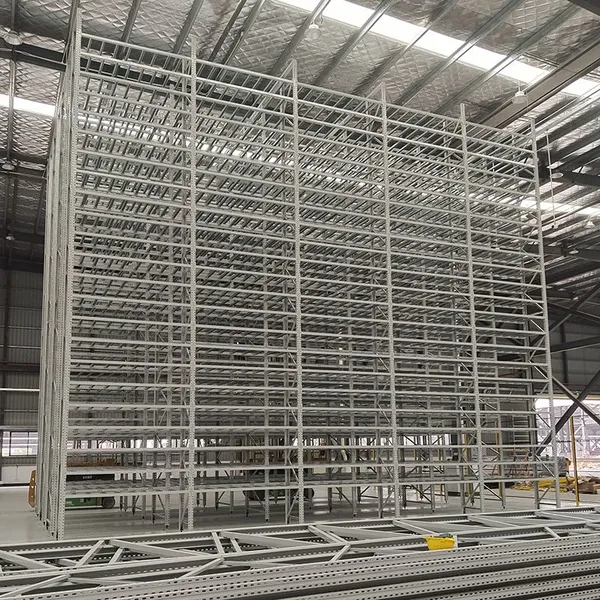
Any successful logistics operation depends on its requirement for efficient storage solutions. The present situation demands better storage systems because warehouse space has become both more restricted and more expensive. Storage racks serve as essential elements which enable warehouses to operate at their highest potential by providing businesses with better vertical storage solutions and improved inventory access and more efficient work processes. This blog post will explore the different types of logistics warehouse storage racks, their benefits, and practical tips for implementing the right system to suit your operational needs. The guide will help you choose between upgrading your existing system or building a new warehouse from scratch. Find more info now.
Introduction to Warehouse Storage Solutions
The Importance of Efficient Storage in Logistics
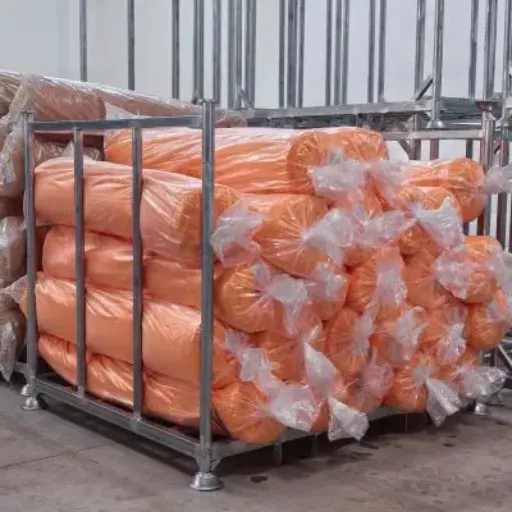
The process of efficient storage in logistics operations leads to three important benefits which include better productivity and lower expenses and improved customer satisfaction. Organizations need to establish effective storage management systems because the present warehouse market requires organizations to handle increasing customer demands for quick deliveries while enhancing their operational efficiency to gain a competitive advantage. Research shows that inefficient storage methods lead to a 20 percent decrease in total warehouse productivity which results in longer picking times and higher operational expenses.
Modern businesses implement contemporary storage solutions which consist of pallet racking systems and automated vertical lifts to develop storage systems that enable quick access to their inventory products. The implementation of automated storage and retrieval systems (AS/RS) according to the Material Handling Industry (MHI) report results in a 40 percent increase in storage density while decreasing labor expenses by around 20 percent.
Maximizing Warehouse Efficiency
The fast-moving logistics sector requires businesses to improve their warehouse operations in order to maintain their competitive advantage. The combination of artificial intelligence (AI) and robotics with warehouse management systems (WMS) enables organizations to optimize their operational processes while reducing expenses. Recent data shows that automation technology allows businesses to achieve 99 percent accurate order picking while their order fulfillment times decrease by 50 percent. The use of predictive analytics technology helps warehouses achieve better demand forecasting which leads to a 15 percent reduction in inventory carrying expenses. Businesses must implement these strategies to achieve lasting growth and operational effectiveness because consumers now expect fast deliveries and e-commerce sales will reach $6.3 trillion worldwide by 2024.
Current Trends in Warehouse Rack Systems
Innovative Designs in Storage Racks
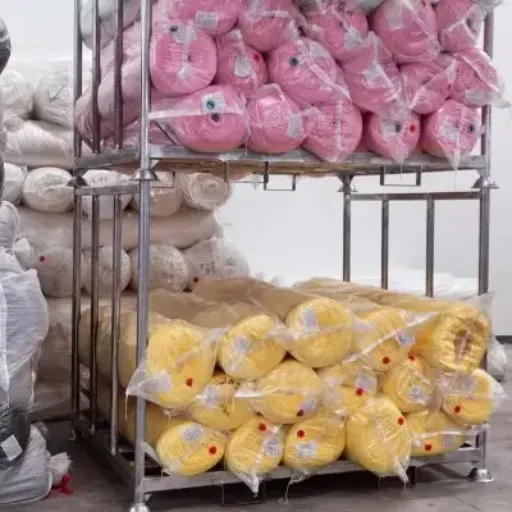
Companies require to optimize space usage together with operational performance to fulfill their growing business demands, which results in essential modifications to modern warehouse rack system designs. The advanced system designs now combine automated storage systems with their matching retrieval systems and high-density mobile pallet storage systems. The systems optimize vertical space while enabling immediate inventory access, which reduces the need for extra storage capacity.
The AS/RS solutions use artificial intelligence together with robotics for quick item locating and retrieval, which enables warehouses to achieve order processing speeds that reach 85% of normal time. The dynamic racking systems, which include push-back racks and flow racks, provide businesses with the ability to adapt their inventory operations while maintaining product availability. Push-back racks store several pallets on inclined rails, which enables a 25% increase in storage capacity, whereas flow racks use gravity-fed tracks to achieve first-in first-out operations that work best with perishable items.
Automatic Technology Integration for Warehouse Shelving
Advanced technology implementation into warehouse shelving systems creates improved business operations through enhanced storage capacity and inventory management capabilities. Modern smart shelving systems use IoT technology together with RFID tags and AI systems to enhance their operational efficiency. The current research indicates that more than 70% of warehouses will implement some type of IoT technology by 2025, which will significantly improve their ability to monitor operations and keep track of inventory.
The IoT-enabled shelving systems enable shelves, sensors, and warehouse management systems (WMS) to exchange data without any obstacles. The embedded sensors within the shelves track stock levels together with weight distribution and shelf usage patterns. WMS receives data immediately, which provides actionable insights that enable faster decision-making while decreasing the need for labor-intensive manual checks.
AI serves as the primary technology that businesses use for predictive analytics, which enables them to forecast which products need restocking while running their operations. A McKinsey study showed that AI systems for inventory management can decrease overstocking by 35% while also preventing understocking problems, which represents a vital development for high-demand industries like e-commerce and manufacturing.
Factors to Consider When Selecting a Rack Type
Density and Space Optimization
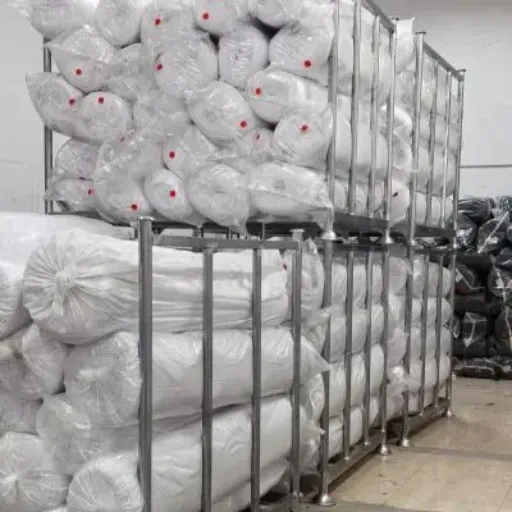
Current warehouse operations need both space calculations and space value assessments to achieve cost savings while maintaining their operational efficiency. The research shows that high-density storage systems which include mobile shelving and pallet flow racks and vertical lift modules (VLMs) enable storage density improvements of up to 90% because their design creates additional storage space.
The automated system VLMs enable users to decrease storage space requirements by 85% because they use vertical storage capabilities. The pallet flow racks use gravity to create continuous stock rotation which enables pickers to complete their tasks more efficiently because they need to travel 75% less distance. Businesses use advanced warehouse management systems which artificial intelligence combines with real-time data to create intelligent systems that control all their facility operations.
Accessibility and Workflow Efficiency
Modern warehouse automation systems offer two benefits because they increase storage space and improve both operational efficiency and accessibility. The automated systems that use robotic picking solutions achieve high order accuracy because many systems reach 99.9% picking precision which current industry reports verify. Businesses benefit from high accuracy levels because it enables them to reduce expensive errors while increasing customer satisfaction.
The combined use of integrated conveyor systems and integrated sorting systems creates a workflow system that enables processing speeds which exceed the capacity of standard manual methods by two to three times. The research shows that facilities with automated sorting systems can achieve throughput rates between 20,000 and 50,000 units per hour based on their implementation level.
Safety and Compliance Standards in Warehouse Storage
Understanding OSHA Regulations for Storage Racks
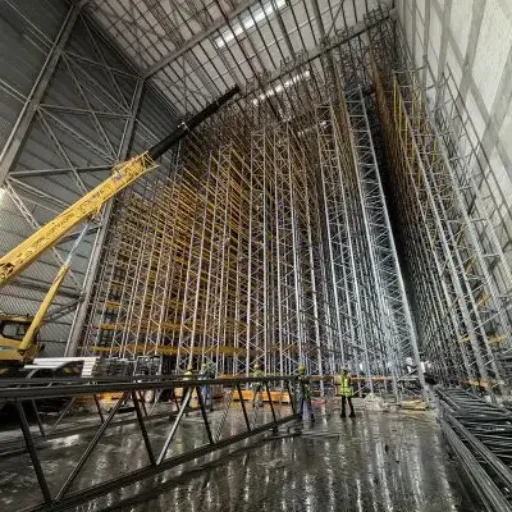
All warehouse safety procedures must follow Occupational Safety and Health Administration (OSHA) regulations about storage rack operations. The Occupational Safety and Health Administration (OSHA) 1910 Subpart N standards provide general regulations which govern the design, installation, maintenance, and usage of racking systems because the organization lacks specific standards for this equipment. The regulations exist to stop injuries that result from rack collapses and from items that are stored improperly and from systems that are not maintained properly.
All storage rack systems must comply with two primary OSHA regulations which require facilities to maintain rack structural strength while preventing rack overloads and conducting regular inspections to identify any bent or broken elements. Employers must teach their employees the appropriate methods for loading and unloading racks because this knowledge will help them prevent accidents. The facility should establish a routine inspection system which will help to identify potential hazards before they become serious problems.
Importance of Load Limits and Rack Maintenance
Successful warehouse operations depend on two essential requirements which are load limit management and rack maintenance activities. Employees and warehouse operations face serious dangers when staff members overload racks and maintenance teams neglect their duties. All racking systems must undergo routine inspections according to Occupational Safety and Health Administration (OSHA) requirements while businesses must display their load-bearing limits to prevent accidental system overloads. Organizations must enforce safety regulations because research indicates that 21 percent of warehouse accidents result from either overloaded racks or their maintenance deficiencies.
Rack maintenance requires checking for any damage which includes bent frames and rust and loose bolts because these factors can make the system lose its structural strength. Modern facilities use advanced equipment which includes rack inspection drones and thermal imaging tools for stress detection to uncover hidden weak points. Employee training on safe loading methods will help maintain rack stability through proper weight distribution and load restrictions. Warehouses that implemented strict load limit controls and maintenance schedules before problems arose have achieved a 30 percent decrease in rack-related accidents during the last five years.
Impact of Optimized Storage on Supply Chain Efficiency

How Rack Systems Improve Inventory Management
Rack systems enable better inventory management for companies because they provide additional storage capacity and simplify item access and reduce operational waste. The modern pallet racking systems which warehouses use create 40 percent additional storage capacity because they enable storage facilities to utilize their complete vertical and horizontal storage space. The rack systems create an organized product system which enables businesses to monitor their stock levels through efficient inventory picking and restocking operations.
Rack systems use advanced technologies such as RFID tagging and barcode scanning to create real-time inventory visibility. Reports indicate that businesses using these systems alongside warehouse management software reduce inventory discrepancies by up to 50%. The system's adjustable shelving and modular design enable inventory requirements to change which makes the system appropriate for implementation in supply chain environments that experience continuous changes.
The Use of Effective Warehouse Design To Improve Business Operations
The Supply Chain system depends on warehouse design to create processes which lead to better production results and lower expenses for the entire system. A facility that follows proper design principles can achieve maximum space usage which will enhance material movement and decrease productivity losses. According to recent findings companies that invest in strategic warehouse layouts see a 30% improvement in operational efficiency. The automated storage and retrieval systems AS/RS function as critical design elements because they have decreased picking mistakes by 70% and boosted picking performance by 80%.
Warehouse management system WMS technology improves space design because it enables companies to monitor their stock in real time and analyze data for their decision-making process. Narrow aisle systems and dynamic slotting systems provide flexible aisle arrangements that enable better storage density while maintaining system flexibility. The 2023 industry report disclosed that businesses using dynamic slotting achieved a 25% increase in order accuracy and a 20% decrease in order processing times.
Frequently Asked Questions (FAQs)
What is a pallet rack and how does it differ from industrial storage racks?
A pallet rack functions as an industrial storage rack that operates through its modular metal storage system which stores warehouse pallets and handles big loads in industrial warehouse environments. The upright frames of pallet racking together with pallet rack beams establish storage areas through their configuration into different patterns which include selective storage and pushback storage and pallet flow storage. The design of pallet rack systems enables better forklift access and vertical space usage and they meet requirements for storing heavy pallets which exceeds the capabilities of standard shelving units and metal storage racks.
How do deck and wire decking options affect load capacity and safety?
The choice of deck materials which includes steel decking and wire mesh decking and wood decks determines how loads spread across surfaces and how fire sprinklers function and how observers see through the material. Wire decking (units with wire) promotes sprinkler water flow and reduces dust buildup while steel decking creates a solid shelf surface for carton flow or smaller loads. The safe load capacity and compliance with codes of a pallet rack system depend on choosing the right deck together with properly rated pallet rack beams and uprights.
What are teardrop pallet rack and teardrop style systems, and why are they popular?
Teardrop pallet rack uses teardrop-shaped slots in the uprights that allow quick, tool-free engagement of beams. The teardrop design enables faster installation processes while users can choose from various rack units and additional components for their system. Teardrop pallet rack shelving maintains its status as a preferred option for many warehouses because it provides a combination of user-friendly operation and strong performance together with compatibility to wire decking and carton flow accessories.
When should a facility choose cantilever racks or a bulk rack for specialty loads?
Cantilever racks and cantilever serve their best function when they store lengthy and heavy products which require direct front access to their storage area without obstructive brace supports. Bulk rack functions better for handling big palletized items which need basic floor-level storage instead of using specific rack storage areas. The two storage systems enable facilities to design storage operations that create optimal storage space through their combination with appropriate upright and beam systems.
How do mezzanine systems and add-on units expand warehouse space effectively?
Mezzanine systems create additional floor levels within an industrial warehouse to multiply usable vertical space without costly expansions. Add-on units or add-on bays attach to starter bays to grow a racking line. The design process needs to analyze the spacing between rack bays and the layout for forklift paths and the maximum weight capacity of pallet racking upright frames to create suitable storage or operational environments for mezzanine systems and rack units with wire or steel decking.
Recently Posted
-
Logistics Metal Cages and Pallets: Revolutionizing Material Handling in Supply Chains
March 11, 2026The success of a supply chain operation depends on its capacity to handle materials efficiently. The industry sector needs to enha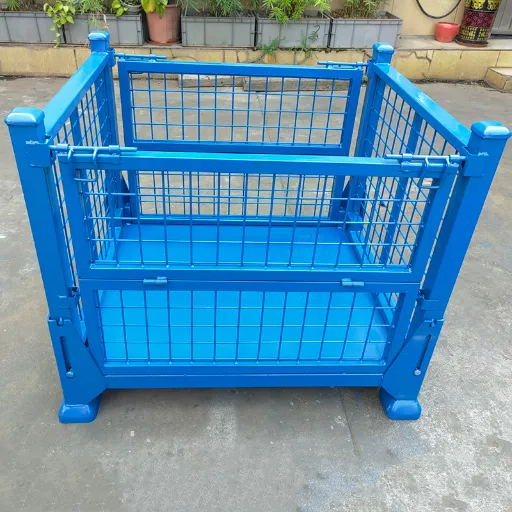 Read More
 -
Warehouse Rack & Metal Shelving: Effective Storage Solutions for Pallet
March 10, 2026Effective storage solutions underpin any well-organized warehouse or industrial facility. As the demand for streamlined operations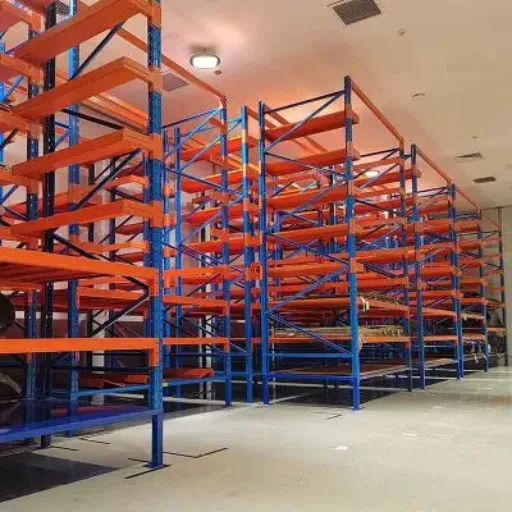 Read More
 -
Gravity Flow Racking: FIFO Carton Flow Shelve Systems
March 10, 2026Proper inventory management is the key to any successful warehouse operation, which is why choosing the right storage solutions is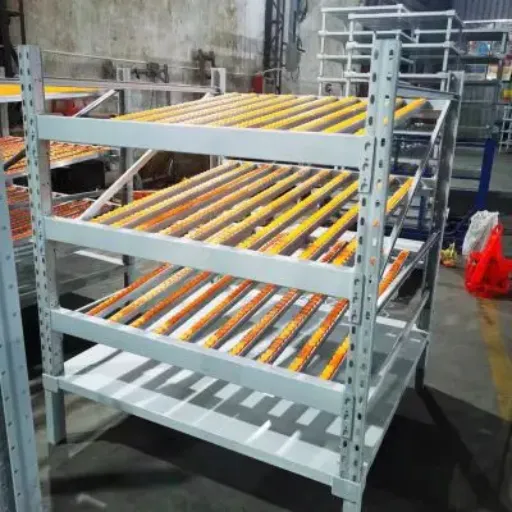 Read More
 -
Portable Stackable Pallet Rack for Warehouse Storage: Optimize Your Space
March 10, 2026For every warehouse or industrial facility some of the aims are to make sure storage spaces are the largest and arranged in the mo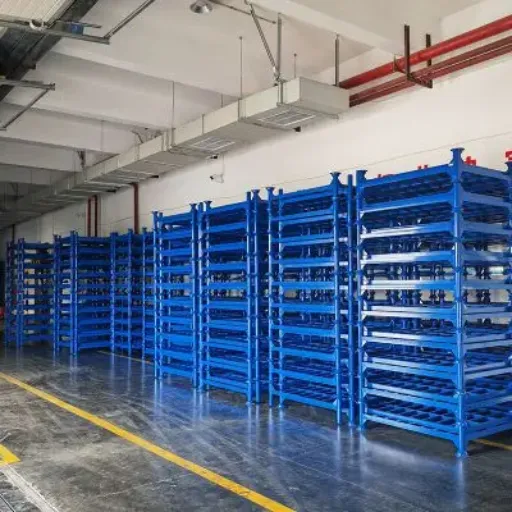 Read More

Contact Us
Recommended Products
-
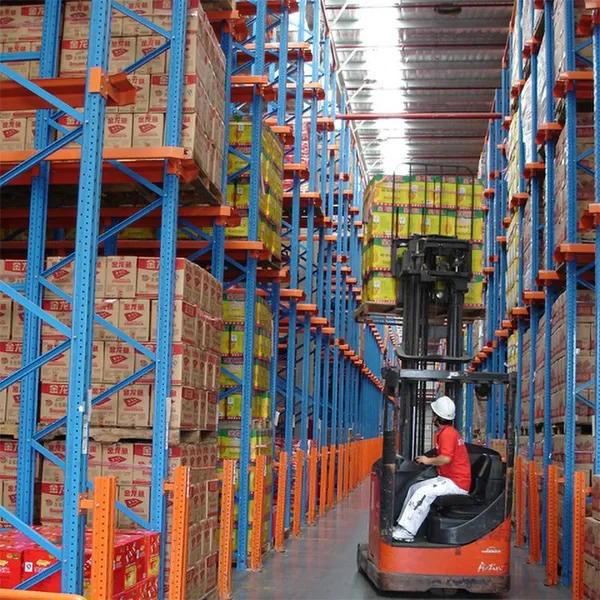
 Robust Drive-in Pallet Racking for High-Density Warehouse StorageNegotiableMOQ: 1 Kilogram
 -
Corrosion-Resistant Metal Stacking Racks for Chemical Plant UseNegotiableMOQ: 500 Sets
-
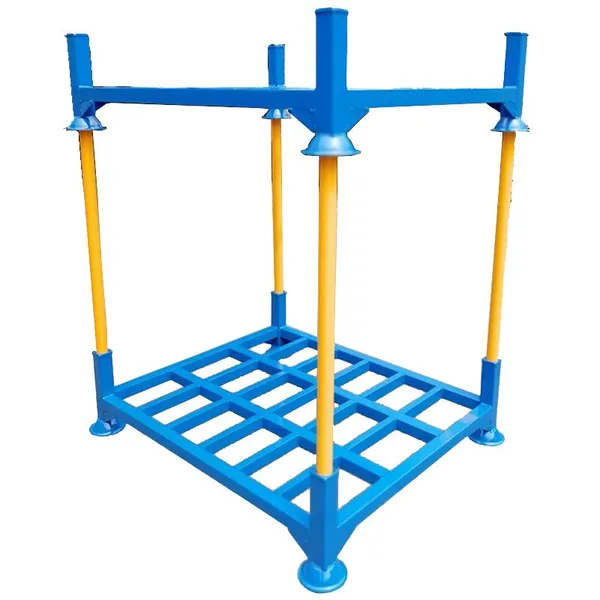
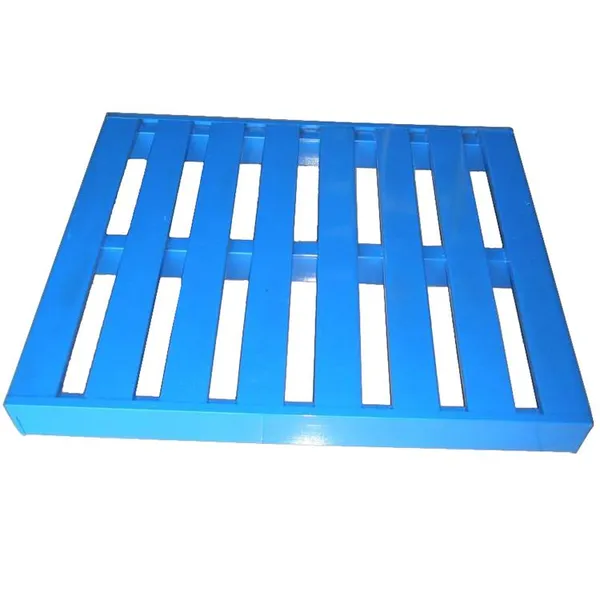
Stackable Steel Pallets Space Saving Metal Pallet for Industrial Warehouse ManagementNegotiableMOQ: 100 Pieces
-
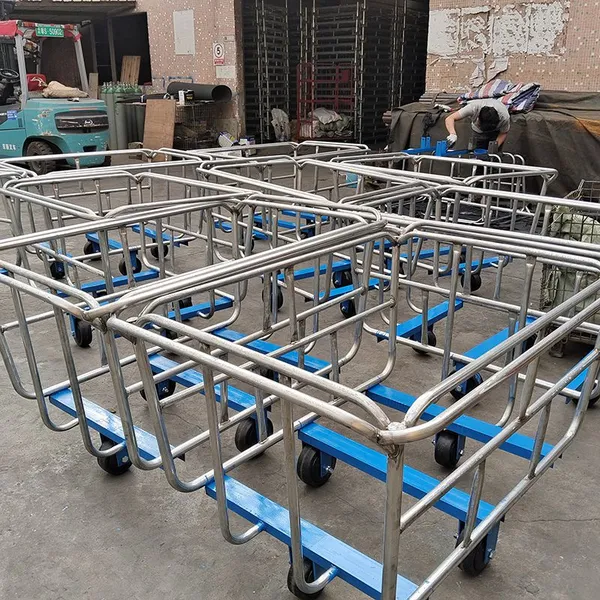
Industrial Steel Mesh Trolley With Reinforced Frame for Laundry and Garment FactoriesNegotiableMOQ: 500 Sets
-
Heavy Duty Wire Mesh Cage With 2mm Wire Diameter for Construction UseNegotiableMOQ: 50 Sets
-
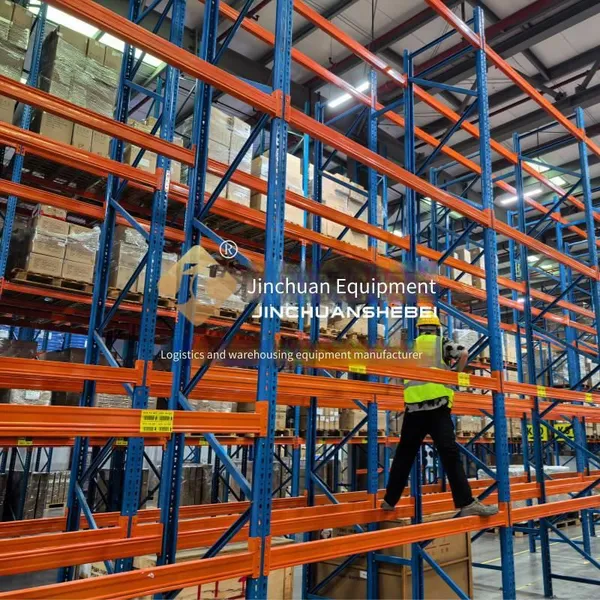
Jinchuan Steel Beam-type Shelves - Universal, Efficient, Random Access, High-level Heavy-duty Storage Racks With Customizable SizesUS$ 90.77 - 92.31MOQ: 10 Sets
-
Multi-Purpose Stackable Plastic Storage Bins for Warehouse and Farm ApplicationsNegotiableMOQ: 10 Sets
-
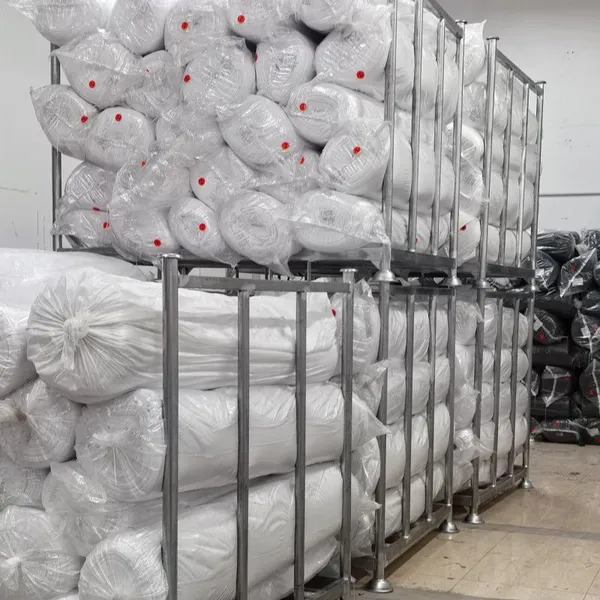
Steel Textile Roll Storage Rack for Carpet and Warehouse OrganizationNegotiableMOQ: 100 Sets
-
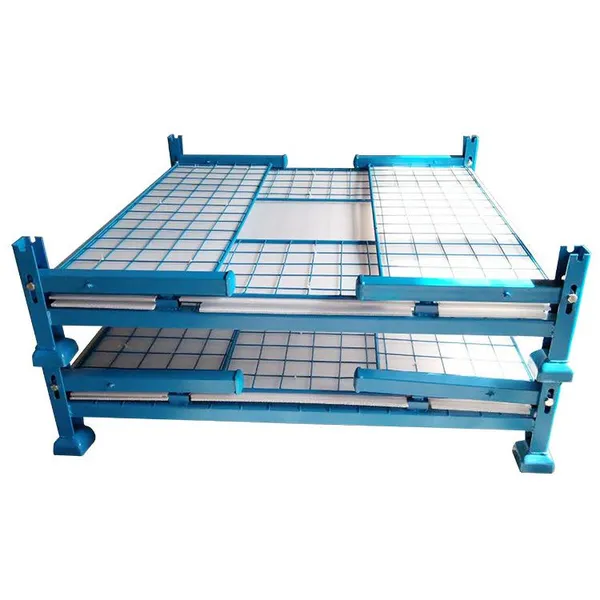
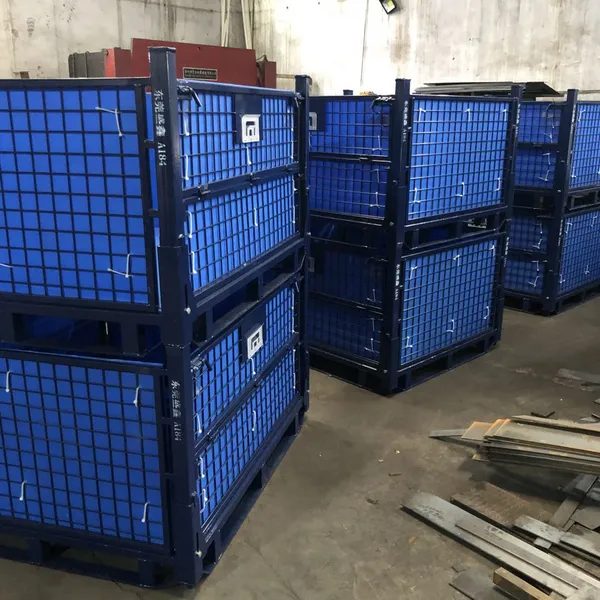
Stackable Storage Cage for Pharmaceutical Warehouse ComplianceNegotiableMOQ: 50 Sets
-
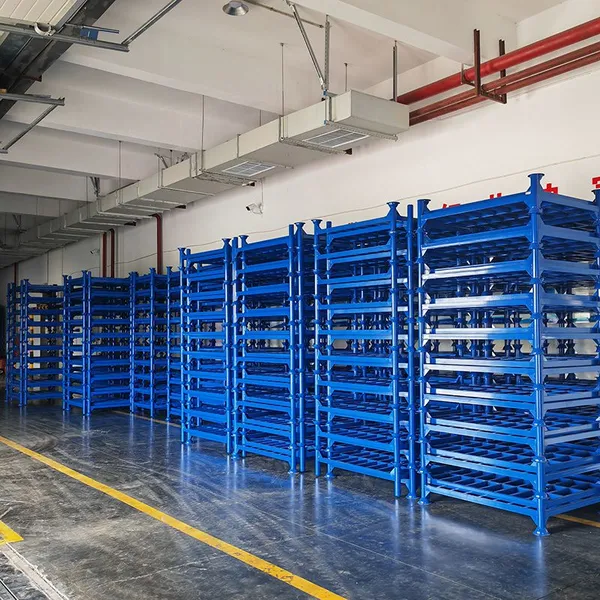
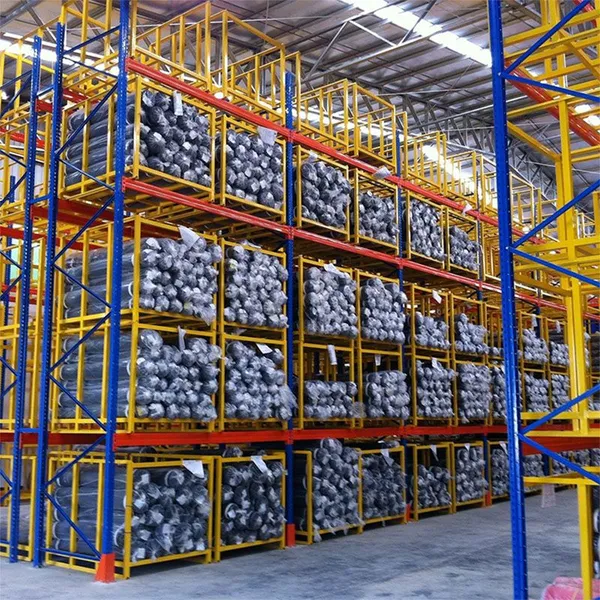
Industrial Metal Stacking Racks for Automotive Parts StorageNegotiableMOQ: 500 Sets
-
Custom Sized Wire Mesh Cage for Industrial Parts and Tool OrganizationNegotiableMOQ: 50 Sets
-
Standard Compliant Wire Mesh Cage With Mill Test Report for Quality AssuranceNegotiableMOQ: 50 Sets
-
Jinchuan Non-standard Steel Lean Tube Trolley, Flexible Customization, Strong Adaptability, Easy Assembly, Flexible TransformationUS$ 121.54 - 123.08MOQ: 10
-
Jinchuan Non-standard Agv Steel Pallet Buffer Storage Rack, Intelligent Docking, Efficient Circulation, Flexible Buffering, Reducing Manual HandlingUS$ 121.54 - 123.08MOQ: 50 Sets
-
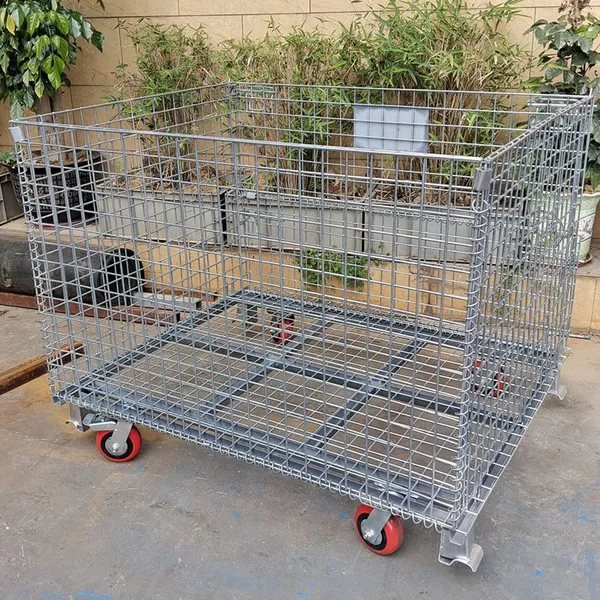
Jinchuan Steel Ctu Material Box Robot Shelving With Adjustable Layer Height, Suitable for High-density Storage of Small Items in Multiple CategoriesUS$ 136.92 - 138.46MOQ: 10 Sets
-
Jinchuan Warehouse High - Rise Stereo Warehouse Shelves, Intelligent Collaboration, Automated and Efficient Operation, Heavy - Load and Stable, Safe and ReliableUS$ 121.54 - 123.08MOQ: 10 Sets
-
Heavy-Duty Industrial Profile Stacking Cart, Galvanized Steel Rolling Trolley for Aluminum Extrusion TransportNegotiableMOQ: 10 Pieces
-
Jinchuan Steel Heavy-duty Shuttle Rack With Flexible Storage Mode for Automatic Goods Access and Remote ControlUS$ 121.54 - 123.08MOQ: 10 Sets
-
Aluminum Alloy Logistics Trolley for Warehouse & ManufacturingNegotiableMOQ: 10 Sets
-
Heavy-Duty Warehouse Storage Racks for Robot Systems - Metal ConstructionNegotiableMOQ: 50 Pieces