
 Business License

Logistics Mezzanine Racking: Optimizing Warehouse Space
The successful execution of logistics operations depends on warehouse management effectiveness which serves as the most important operational element. The primary obstacle for businesses is to achieve maximum space utilization because traditional warehouse systems struggle to maintain operational efficiency when inventory levels increase. The solution to this problem lies in the implementation of mezzanine racking systems. The combination of innovative design elements and operational design The logistics mezzanine racking system provides a revolutionary solution which enables warehouses to achieve space optimization without incurring expensive building costs. The article will present mezzanine racking benefits which enhance storage operations for businesses that need to operate more efficiently and expand their operations. Find more info now.
What is Logistics Mezzanine Racking?

Definition and Overview
Mezzanine racking systems serve as effective storage systems which help warehouses and distribution centers to achieve maximum utilization of their vertical storage capabilities. The technology systems of this system include an intermediate floor which a warehouse establishes to create extra storage space without necessitating building construction. Mezzanine racking enables businesses to create storage systems which meet their specific needs for storing palletized goods and cartons and bulk materials.
The global mezzanine racking market shows steady growth according to recent industry data which forecasts a compound annual growth rate (CAGR) of approximately 5.2% from 2023 to 2028. E-commerce businesses require cost-effective warehouse solutions because they need storage systems which combine with their demand for intelligent warehousing systems. The primary benefit of mezzanine systems exists because they convert unused vertical space into operational storage space which can extend storage capacity by 200% as determined by the design of the warehouse.
Components of a Mezzanine Racking System
Support Columns:
The support columns function as critical vertical components which form the primary structural system of the mezzanine architecture. Support columns consist of high-strength steel materials which enable them to withstand substantial weight while maintaining system stability. The system uses a strategic design plan to assign structural components which help to maximize space efficiency and improve load capacity capabilities.
Beams and Joists:
The support columns establish a framework system for the mezzanine level through their connection with horizontal beams and joists. The construction of these items uses either steel or aluminum because they need to support weight variations that occur during use. The spacing of joists plays a crucial role in ensuring the platform’s durability and resistance to deformation.
Decking:
Different applications require different decking materials which include plywood and steel grating and particleboard. Steel-grate decking provides an optimal solution for spaces which need continuous airflow and straightforward cleaning access while wooden panels are typically used in standard storage environments. The selection process depends on both the storage requirements and operational needs of the business.
Handrails and Safety Gates:
Handrails function as necessary safety measures which protect workers from falls that could happen at mezzanine edges. Safety gates provide a secure loading area for material handling at the mezzanine level which uses either swing or sliding doors to enhance efficiency.
Staircases and Ladders:
Staircases provide safe and ergonomic access points to the mezzanine level because their design meets all relevant local safety regulations. Workers need to use staircases for areas with heavy foot traffic while ladders provide access to temporary work areas.
Modular Accessories:
Mezzanine racking systems include modifyable accessories which businesses can adjust to create storage solutions through their addition of shelving units and conveyors and lifts and lighting systems. The operational process becomes more efficient through the system's ability to combine with robotic arms and sensors which serve as advanced automation technologies.
Benefits of Mezzanine Racking Systems
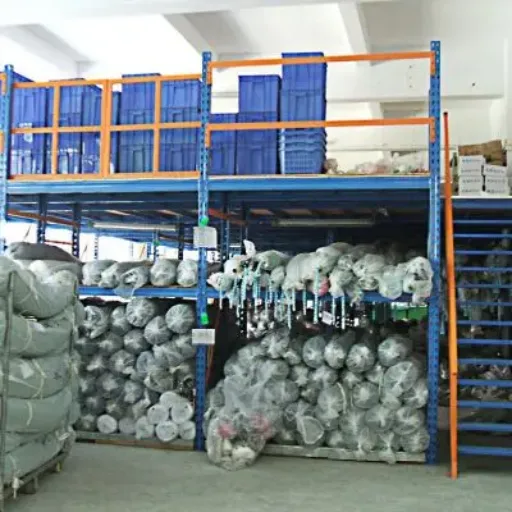
Space Optimization in Warehouse Operations
The behavior analysis facilities today need to operate because their existing storage space needs to be arranged properly through their current requirements. Companies need to adopt new storage technologies which enable them to handle their expanding inventories while controlling costs because e-commerce operations and international supply chains create increased storage demands.
Mezzanine racking systems serve as an established storage solution which enables companies to double or triple their current storage capacity without building new storage facilities. Businesses that achieve complete space utilization attain a 30 percent boost in their operational productivity according to recent industry studies. The system uses multi-tier shelving and vertical storage which operates through its automated equipment that contains pallet shuttles.
The implementation of space optimization technologies which include advanced warehouse management systems and automated guided vehicles enables companies to achieve 40 percent time reductions for both their picking and storage activities. The current technological advancements enable businesses to enhance their inventory management systems while they achieve higher productivity levels and reduced costs.
Cost-Efficiency and ROI
The implementation of advanced technologies which include warehouse management systems and automated guided vehicles enables businesses to boost their operational efficiency through two main advantages. Recent research shows that companies which implement automation throughout their supply chain operations experience total operational cost reductions between 25 and 30 percent. The optimized processes lead to quicker order processing which results in improved customer experiences and increased customer loyalty.
The return on investment (ROI) for these technologies is also compelling. According to a 2023 report businesses typically recover their full costs after investing in WMS systems and automated technology within a period of 18 to 24 months because the time needed to recover depends on implementation duration and system complexity. Businesses achieve rapid returns on their investments because they save money through reduced labor costs and better warehouse space use and increased inventory management efficiency.
Scalability for Growing Businesses
Modern warehouse automation systems use scalability as their core principle because it helps companies achieve their growing customer needs. Search data shows that worldwide e-commerce sales will surpass 6.3 trillion dollars by 2024. The ability to expand systems for handling operational growth demonstrates their necessity because it enables organizations to achieve their operational targets without needing extensive staff work or major system upgrades.
Users can easily modify their operational capacity through the combined use of robotic systems and AI software and cloud-based inventory management solutions. Companies which use scalable solutions achieve order processing times that are 45 percent faster during peak holiday sales periods compared to standard processing times. Businesses can use cloud-based platforms to adjust their service capacity according to changing demand which enables them to maintain flexibility throughout their growth process.
Types of Mezzanine Systems

Structural Steel Mezzanines
The structural steel mezzanines function as optimal systems which enable complete vertical space utilization in industrial facilities and distribution facilities and storage facilities. The mezzanines constructed with high-strength steel materials provide organizations with a solution to handle heavy load requirements because the industrial design provides necessary support for their manufacturing machinery and substantial inventory storage and industrial office areas.
The two primary design elements of structural steel mezzanines enable their users to modify the system through customizable building options. The recent data shows that properly designed systems can support non-destructive testing of loads which range from 125 pounds per square foot (psf) to more than 250 psf, which provides operational flexibility for multiple needs of the business. The mezzanines allow design customization through multiple options which include safety railings and access stairs and integrated conveyor systems, which improve operational flow and security.
The first benefit of structural steel mezzanines enables businesses to control their operational expenses through all phases of their business activities. The systems require more financial resources during the first stage but their extended operational life results in lower maintenance needs which lead to cost savings for businesses according to research conducted in the industry. Mezzanine systems enable businesses to gain essential operational space because they deliver 40% additional functional space, which makes it possible to maintain current operations without needing to shift locations or pay for bigger spaces.
Rack-Supported Mezzanines
Organizations can use rack-supported mezzanines as contemporary engineering systems which enable them to store inventory while creating office space above the same footprint. The mezzanines use industrial racking systems which already exist or will be installed at the site as their main structural elements which makes them an effective solution that enables businesses to achieve maximum warehouse operations efficiency. The systems use racking elements which create structural stability to operate effectively in distribution centers and manufacturing facilities and large retail spaces.
The main advantage of rack-supported mezzanines enables them to create better storage space solutions for organizations. The data shows that organizations which use rack-supported mezzanines achieve 150% better space usage compared to organizations which use regular shelving systems. The space provides complete design options which allow users to choose multiple load capacity options and height requirements and operational pathways which guarantee perfect compatibility with their current business activities.
Safety and Compliance Considerations

Regulatory Standards for Warehouse Mezzanines
The construction process for warehouse mezzanines requires organizations to construct their facilities according to safety standards and operational needs. All structures need to follow building codes and industry standards which depend on their location. The United States requires mezzanines to comply with International Building Code (IBC) and Occupational Safety and Health Administration (OSHA) standards and National Fire Protection Association (NFPA) codes. The standards provide necessary information about load capacity requirements and fire safety protocols and exit pathways and guardrail design requirements.
Load Capacity Standards: The IBC requires warehouse mezzanines to establish their live load capacity which must remain unchanged during the entire operational life of their design. The standard industrial area measures 125 pounds per square foot (psf) but specific applications require higher weight limits. The calculation of load requirements safeguards against construction accidents while maintaining operational safety.
Fire Safety Compliance: The NFPA guidelines require the installation of fire suppression systems which include sprinklers to reduce fire hazards. The mezzanine design needs to maintain overhead fire suppression systems and egress routes so that it meets the requirements of fire safety regulations.
Guardrails and Fall Protection: Fall protection for workers at work sites becomes essential through the requirement that OSHA needs to have 42-inch high guardrails installed on mezzanine borders. The protective equipment requires midrails and toe boards to function as additional safety components.
Accessibility and Egress: The IBC and local building codes require that egress pathways from mezzanines need to have accessibility features which must be visible to everyone. Mezzanines that exceed 200 square feet need to provide two egress options to support safe evacuation procedures.
Best Practices for Safety in Mezzanine Systems
Install Guardrails and Fall Protection Systems
OSHA mandates that guardrails must be installed at all open edges of mezzanines which extend beyond 4 feet in height to protect workers from fall hazards. The design of guardrails must include toe boards and midrails while top rails must reach a height of 42 inches. The implementation of fall arrest systems and safety nets should be assessed for areas with high foot traffic which need enhanced protection.
Weight Capacity and Load Management
The design specifications of a mezzanine must include its maximum weight capacity which should be shown through specific design requirements. A building loses its structural integrity when its load capacity exceeds the established weight limits. The standard industrial mezzanine supports 125 pounds per square foot but actual load capacity varies based on design and usage. Overloading should be checked in all areas where heavy equipment and materials are present.
Proper Lighting and Visibility
The mezzanine area requires adequate lighting because it needs to control safety risks which result from poor visibility. The industrial sector prefers LED lighting because it delivers both energy-efficient performance and extended operational lifespan. The use of motion-sensor lights increases safety while reducing energy consumption.
Use of Non-Slip Flooring
The installation of non-slip flooring materials will decrease slip hazards in areas where oils and water and other slippery materials exist. The industrial sector commonly uses textured metal grates and anti-slip coatings which are designed to provide traction on surfaces.
Regular Inspections and Maintenance
The mezzanine requires regular inspections which will assess its present condition by examining its bolts and joints and structural elements. The American Society of Safety Engineers reports that 23% of structural failures in mezzanine systems occur because organizations fail to maintain their systems properly.
Emergency Egress and Fire Safety
The building needs to provide multiple pathways for emergency exit through stairways or ladders which must have clear labels and remain accessible at all times. The installation of sprinkler systems and smoke detectors and fire-resistant building materials serves as vital fire safety measures required to meet NFPA (National Fire Protection Association) standards.
Choosing the Right Provider or Design
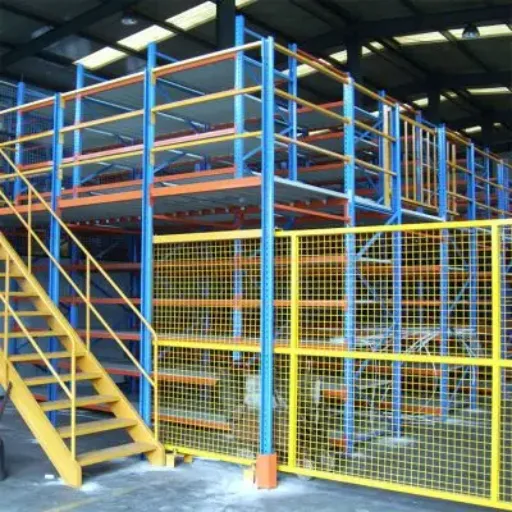
Factors to Consider When Selecting a Mezzanine Racking Provider
Experience and Expertise
Providers who have successfully built mezzanine systems through their extensive work experience should be preferred for project selection. Companies with at least 10-15 years of relevant industry experience are often better equipped to handle complex projects and offer innovative solutions tailored to your needs. The organization needs to provide information about its ability to meet both regional and global safety requirements.
Customization and Flexibility
Businesses need storage solutions which match their particular requirements, so they should select mezzanine providers who offer custom system design options. The provider must demonstrate their ability to create customized designs which match your specific warehouse space and load requirements and mobility needs. The structure needs to provide operational flexibility which supports your existing business activities.
Quality of Materials and Standards Compliance
The provider must use premium materials which include robust steel that delivers durability and strength to support heavy loads and extended usage. The designs must comply with OSHA regulations and IBC standards and other relevant safety requirements to achieve safe and sustainable results.
Cost-Effectiveness
You should evaluate all system elements before selecting anything because your budget restricts you from choosing the most affordable option. The trustworthy provider needs to provide fair priced services through complete service estimates which show every cost item including installation expenses and material costs and maintenance fees to protect against unexpected charges.
Customer Reviews and Testimonials
You should read online reviews together with case studies to evaluate how well the provider meets customer needs and their built reputation. You can assess company trustworthiness through positive customer feedback on Google Reviews and Trustpilot together with case studies which demonstrate successful execution of projects.
Design Considerations for Your Warehouse Space
Space Utilization
Your warehouse operations will become more effective and profitable when you use space in an efficient manner. Recent studies show that warehouses use only 20-30 percent of their vertical space for storage purposes. The implementation of mezzanine racking and vertical shelving systems enables companies to achieve storage density improvements of up to 80 percent through their current space.
Workflows and Accessibility
The success of work operations in organizations depends on their ability to deliver efficient operational systems. The warehouse needs to place its inventory in positions which help staff members pick items and pack products at maximum speed. The design should store high-frequency items in positions that enable quick access to prevent worker exhaustion during retrieval. Studies indicate that optimizing workflows can lead to a 20-30% increase in order processing efficiency.
Safety Standards
Organizations need to establish safety standards as their primary focus when they create their operational plans. Organizations need to provide enough aisle space which should accommodate forklifts and other equipment while their shelving systems must have enough strength to support stored items. The OSHA guidelines state that improper storage methods together with excessive storage capacity lead to most warehouse accidents.
Scalability for Future Growth
Organizations need to design their warehouse systems in a way which enables them to adapt operational needs which will arise in the future. Modular racking systems provide a solution because they permit businesses to change their setup according to their changing inventory requirements. The International Warehouse Logistics Association projects that businesses which design their facilities with flexible capacity will achieve a 40 percent reduction in expensive relocation expenses and facility expansion costs.
Frequently Asked Questions (FAQs)
What advantages does a pallet rack mezzanine system bring to warehouse facilities regarding their storage capacity and available operational areas?
Adding a mezzanine system or pallet rack mezzanines provides one or more additional levels above the ground, effectively doubling or tripling the amount of storage space inside a warehouse or distribution center. These systems create additional storage spaces in an already existing or brand new installation, enabling warehouses to increase warehouse capacity, improve warehouse flow, and make better use of valuable floor space without costly building extensions.
What storage system and flooring types are available for industrial mezzanine installations?
Steel mezzanine systems require durable decking materials which include steel plate, plywood, wire mesh, and resin-bonded flooring based on load requirements and intended use. The choice of flooring types will affect which handling and warehouse equipment—like pallet jacks—can operate on the mezzanine. A supplier can recommend the best storage system and flooring to suit your warehouse needs, whether used for storage, packing, or as work platforms.
Can mezzanines be customized for specific warehouse solutions or flows?
Yes. Customized mezzanine designs are common and can be tailored to product flows from one floor to another, the location of stairs and lifts, and compatibility with existing pallet racking or cantilever racking for long goods. Mezzanines can also be designed to integrate with conveyor systems and to facilitate safe handling and warehouse operations specific to a warehouse or distribution center’s workflow.
Do mezzanine storage systems work properly with pallet jacks and other material handling equipment?
Mezzanines can be designed to accommodate pallet jacks, forklifts, and other handling equipment by selecting appropriate flooring types, load ratings, and access points such as lifts or ramps. When planning mezzanine storage, discuss equipment dimensions and weight with your supplier so the mezzanine system to the current location supports safe movement of pallets and maintains efficient warehouse flow.
Which safety requirements and regulatory standards must be followed when building a mezzanine system in an existing warehouse?
Mezzanines must meet local building codes, fire regulations, and occupational safety standards. The design must include high-quality materials which include guardrails and fall protection systems and proper stairway access and areas which can support specific weight loads. Proper planning improves safety and facilitates product handling, and suppliers typically coordinate with engineers and authorities to ensure the mezzanines can be used safely in an already existing or brand new installation.
Recently Posted
-
Logistics Metal Cages and Pallets: Revolutionizing Material Handling in Supply Chains
March 11, 2026The success of a supply chain operation depends on its capacity to handle materials efficiently. The industry sector needs to enha Read More
 -
Warehouse Rack & Metal Shelving: Effective Storage Solutions for Pallet
March 10, 2026Effective storage solutions underpin any well-organized warehouse or industrial facility. As the demand for streamlined operations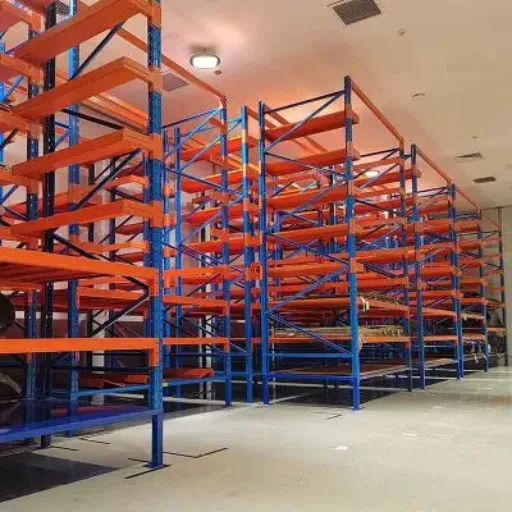 Read More
 -
Gravity Flow Racking: FIFO Carton Flow Shelve Systems
March 10, 2026Proper inventory management is the key to any successful warehouse operation, which is why choosing the right storage solutions is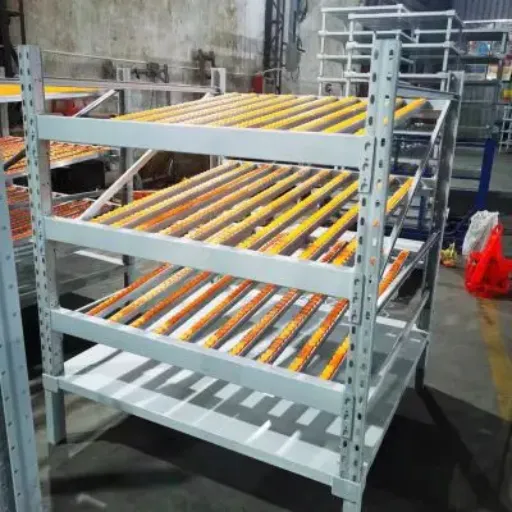 Read More
 -
Portable Stackable Pallet Rack for Warehouse Storage: Optimize Your Space
March 10, 2026For every warehouse or industrial facility some of the aims are to make sure storage spaces are the largest and arranged in the mo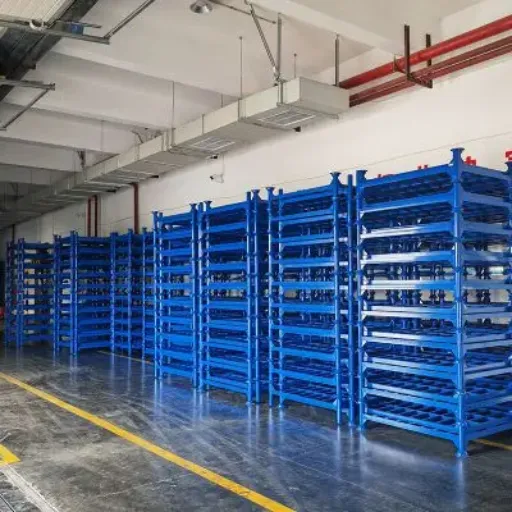 Read More

Contact Us
Recommended Products
-
 Robust Drive-in Pallet Racking for High-Density Warehouse StorageNegotiableMOQ: 1 Kilogram
 -
Corrosion-Resistant Metal Stacking Racks for Chemical Plant UseNegotiableMOQ: 500 Sets
-
Stackable Steel Pallets Space Saving Metal Pallet for Industrial Warehouse ManagementNegotiableMOQ: 100 Pieces
-
Industrial Steel Mesh Trolley With Reinforced Frame for Laundry and Garment FactoriesNegotiableMOQ: 500 Sets
-
Heavy Duty Wire Mesh Cage With 2mm Wire Diameter for Construction UseNegotiableMOQ: 50 Sets
-
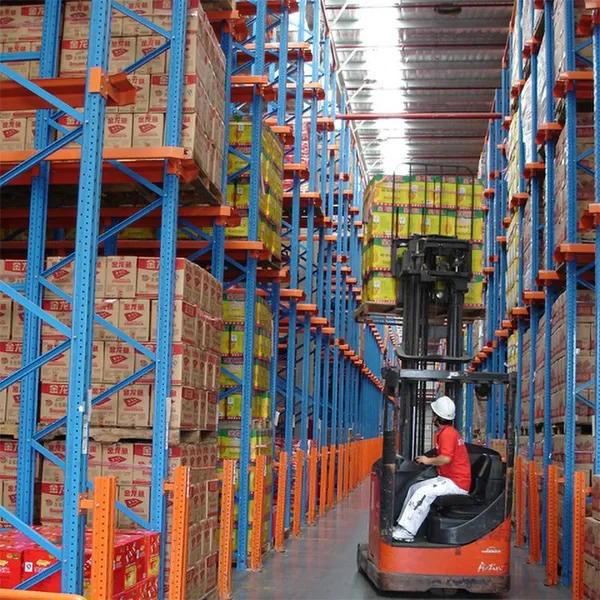
Jinchuan Steel Beam-type Shelves - Universal, Efficient, Random Access, High-level Heavy-duty Storage Racks With Customizable SizesUS$ 90.77 - 92.31MOQ: 10 Sets
-
Multi-Purpose Stackable Plastic Storage Bins for Warehouse and Farm ApplicationsNegotiableMOQ: 10 Sets
-
Steel Textile Roll Storage Rack for Carpet and Warehouse OrganizationNegotiableMOQ: 100 Sets
-
Stackable Storage Cage for Pharmaceutical Warehouse ComplianceNegotiableMOQ: 50 Sets
-
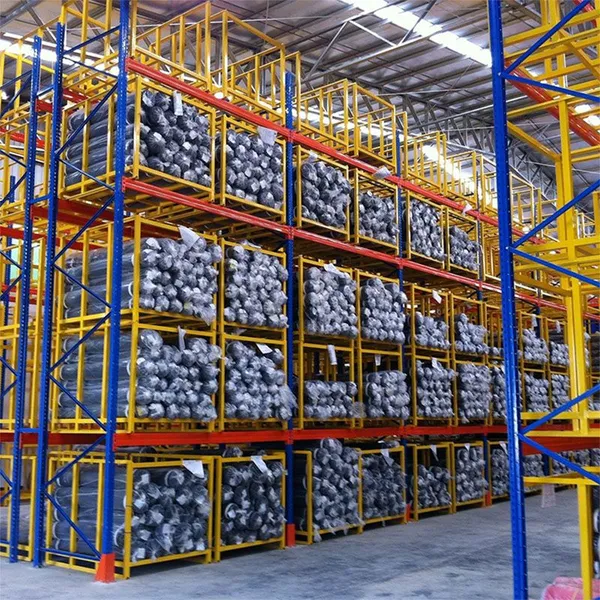
Industrial Metal Stacking Racks for Automotive Parts StorageNegotiableMOQ: 500 Sets
-
Custom Sized Wire Mesh Cage for Industrial Parts and Tool OrganizationNegotiableMOQ: 50 Sets
-
Standard Compliant Wire Mesh Cage With Mill Test Report for Quality AssuranceNegotiableMOQ: 50 Sets
-
Jinchuan Non-standard Steel Lean Tube Trolley, Flexible Customization, Strong Adaptability, Easy Assembly, Flexible TransformationUS$ 121.54 - 123.08MOQ: 10
-
Jinchuan Non-standard Agv Steel Pallet Buffer Storage Rack, Intelligent Docking, Efficient Circulation, Flexible Buffering, Reducing Manual HandlingUS$ 121.54 - 123.08MOQ: 50 Sets
-
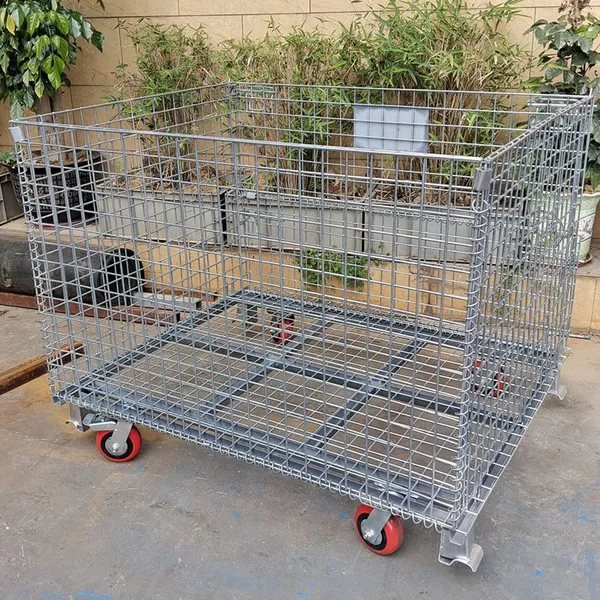
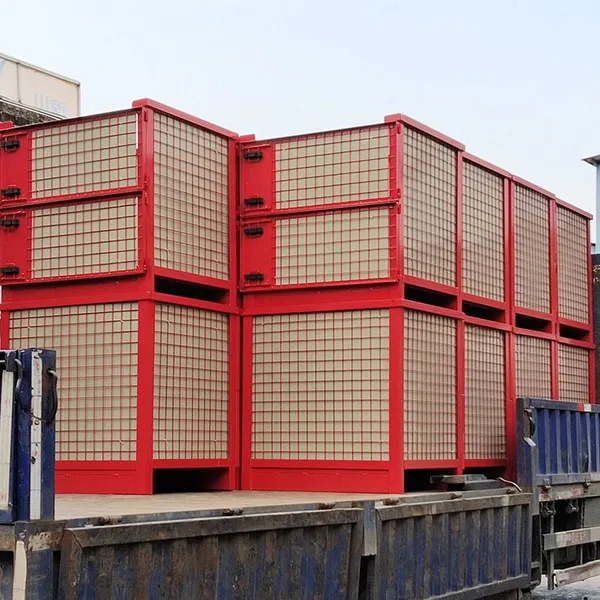
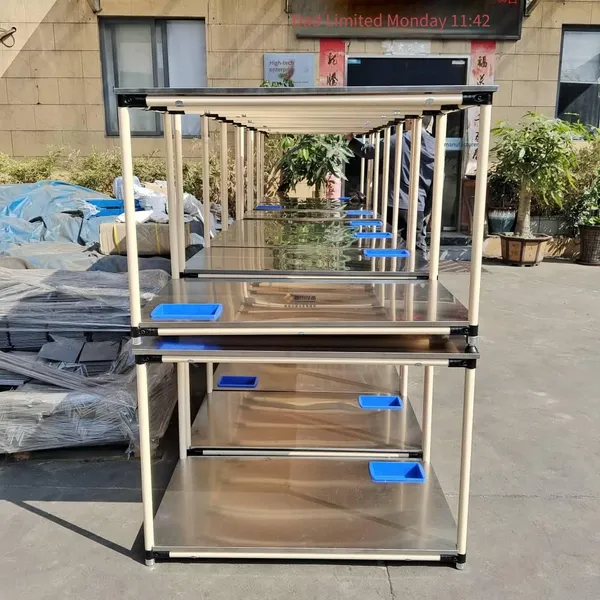
Jinchuan Steel Ctu Material Box Robot Shelving With Adjustable Layer Height, Suitable for High-density Storage of Small Items in Multiple CategoriesUS$ 136.92 - 138.46MOQ: 10 Sets
-
Jinchuan Warehouse High - Rise Stereo Warehouse Shelves, Intelligent Collaboration, Automated and Efficient Operation, Heavy - Load and Stable, Safe and ReliableUS$ 121.54 - 123.08MOQ: 10 Sets
-
Heavy-Duty Industrial Profile Stacking Cart, Galvanized Steel Rolling Trolley for Aluminum Extrusion TransportNegotiableMOQ: 10 Pieces
-
Jinchuan Steel Heavy-duty Shuttle Rack With Flexible Storage Mode for Automatic Goods Access and Remote ControlUS$ 121.54 - 123.08MOQ: 10 Sets
-
Aluminum Alloy Logistics Trolley for Warehouse & ManufacturingNegotiableMOQ: 10 Sets
-
Heavy-Duty Warehouse Storage Racks for Robot Systems - Metal ConstructionNegotiableMOQ: 50 Pieces