
 Business License
Logistics Flow Shelving: Maximizing Warehouse Efficiency
The core element that drives successful supply chains operates through efficient warehouse management which depends on the proper methods of storing and organizing goods. The introduction of logistics flow shelving has revolutionized warehouse operations by enabling businesses to achieve greater operational efficiency through better space usage and faster access to their inventory. The blog post will examine logistics flow shelving which provides advantages through its actual uses to transform warehouses into efficient operational systems. The guide offers essential knowledge to both supply chain experts and warehouse directors who want to enhance their operations in a market that becomes more competitive every day. Find more info now.
Introduction to Flow Rack Systems
What is Flow Shelving in Logistics?
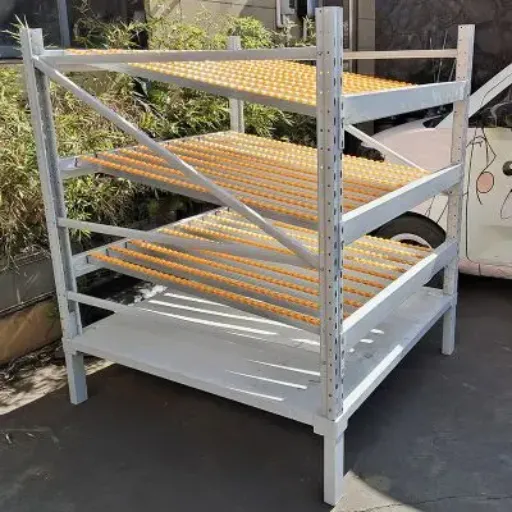
The flow shelving system which operates as a flow rack system and gravity flow rack system provides warehouses with a storage method that enhances inventory control and improves their operational efficiency. The shelving systems operate through their inclined structure which contains roller and wheel beds that permit goods to move forward due to gravitational force. The design enables businesses to implement first-in-first-out inventory control systems which require them to use older products before they can use newer inventory.
Flow shelving proves especially beneficial for industries such as food and beverage pharmaceuticals and manufacturing which require rapid inventory turnover of time-sensitive products. The implementation of flow shelving systems has been shown through recent research to enhance picking efficiency by 30 percent and decrease storage space needs by 50 percent and substantially decrease labor expenses. The system enables workers to reach items with greater efficiency because it establishes efficient pathways that decrease their need to move throughout the warehouse.
The Problems Flow Racks Solve
Flow racks address a range of challenges commonly faced in warehouse and logistics operations. The primary problem that they solve involves decreasing operational efficiency through poor inventory tracking. The static shelving system creates inventory tracking problems because it causes disorganization which prevents staff from finding products and results in lost time during product searching. Flow racks enable businesses to implement first-in-first-out inventory control systems which require them to use older products before they can use newer inventory.
The system solves the problem of spaces which are not being used effectively. Warehouses experience constant pressure to maximize storage capacity while keeping operations streamlined. The system enables flow racks to achieve high-density storage through their capacity to use both vertical spaces and horizontal spaces which reduces the amount of floor space that needs to be occupied. Recent research indicates that organizations which implement flow shelving systems experience 30 percent more storage efficiency than those using traditional rack systems.
The Mechanics of Flow Shelving
Understanding FIFO and Flow Racking Systems
The inventory management method known as FIFO enables businesses to sell their oldest products first before selling their more recent inventory. Industries that handle perishable items, including the food and pharmaceutical sectors, benefit from this method because it helps them reduce spoilage and product obsolescence. Warehouses achieve effective inventory control through their execution of FIFO principles which enhance their space and labor productivity through flow racking systems.
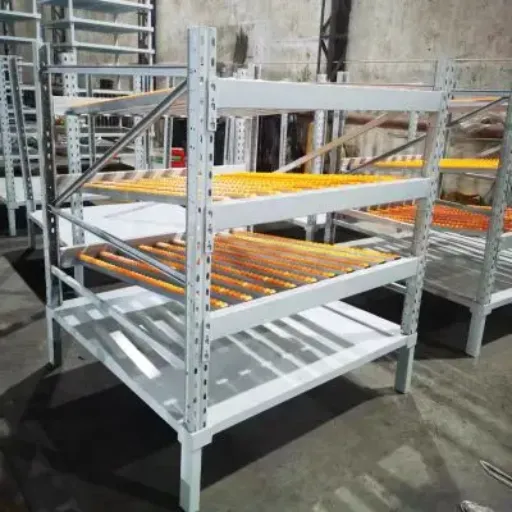
The design of flow racking systems enables businesses to implement FIFO operations with complete efficiency. The systems operate through their inclined shelves and gravity rollers which make it possible for products to move automatically to the front when older stock gets taken away. According to an industry study by Warehouse Insights, adopting FIFO via flow racking can reduce product waste by up to 30% in sectors that handle time-sensitive goods. Research demonstrates that employees can locate items fast because they work with their current methods which lead to productivity gains of up to 40 percent.
Cold-storage facilities demonstrate how this combination creates operational effectiveness. The facility achieves compliance with regulations while reducing losses by prioritizing the use of older products such as fresh produce and frozen goods. IMHX logistics firm data shows that warehouses implementing FIFO with flow racking systems experience a 25% decrease in picking errors which results in improved order accuracy and customer satisfaction.
How Gravity Flow Racks Work
The operation of gravity flow racks which go by the name of carton flow or flow racking systems depends on inclined roller tracks which enable the movement of goods through their design. The racks are built with an incline which allows cartons and pallets to move from loading areas to retrieval locations through gravity without needing powered systems. The First-In, First-Out (FIFO) inventory method works effectively with this system because it picks the oldest stock first which helps decrease product waste and inventory expiration.
Gravity flow racks provide businesses with the ability to handle different types of products because they can accommodate products which have different dimensions and weight specifications. Recent Search findings show that businesses which implement gravity flow racks experience substantial advancements in their operational processes. Companies that use these systems achieve picking speed improvements which reach 30 percent according to research evidence. The design of flow racks enables storage space needs to decrease by 40% when compared with static shelving systems according to their compact design. Warehouse operations benefit from this method because it enables storage space to be used more effectively which decreases expenses while preparing the facility to handle increased inventory during busy periods.
Benefits of Flow Rack Shelving
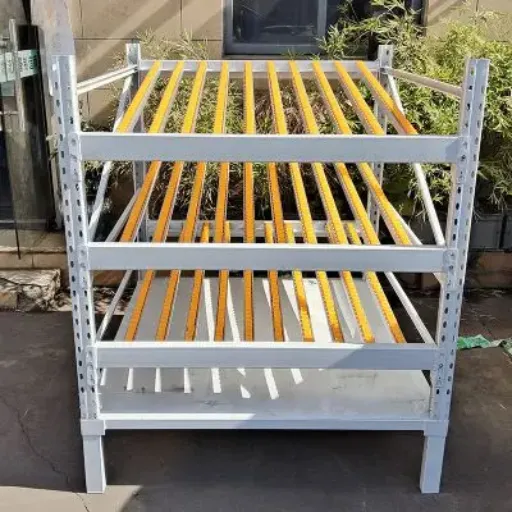
Improved Warehouse Space Utilization
The use of flow rack systems provides essential benefits to warehouses because it helps them manage their storage areas and their ability to store items in both vertical and horizontal spaces. The system uses first-in first-out (FIFO) method which allows them to move inventory efficiently while they stop both overstocking and bottleneck situations. The implementation of flow rack systems enables organizations to achieve up to 50% space efficiency because their racks do not require traditional shelving systems to maintain wide aisle spacing.
Warehouses can now store additional products in their existing space through the flexible design of flow racks which maintains their ability to access products. Warehouses that implement gravity flow systems achieve shelving density improvements of up to 30% because their systems enable better product organization and arrangement for quick access. The increased organization results in more efficient operations which enable slimmer business processes that utilize less warehouse space for functions such as order processing and packaging.
Enhanced Efficiency with Roller Racks
Roller racks have transformed warehouse operations through their ability to improve efficiency and streamline work processes. The system uses inclined wheel beds together with rollers to enable goods to move smoothly which results in shorter times for workers to find and arrange products. Warehouses using roller racks have achieved up to 30% faster order picking because the system enables natural first-in first-out inventory movement according to research studies.
Roller racks support multiple product categories because their weight capacity can be adjusted from lightweight boxes to heavy-duty products. Warehouses that operate roller racks experience about 20% less product damage according to a recent industry analysis because their smooth rolling system requires less manual handling. The decrease in handling mistakes leads to cost savings while it protects product quality which benefits end customers.
Comparing Different Flow Systems

Gravity Flow vs. Carton Flow
The system moves products to picking and packing stations through its use of gravity which operates through inclined rollers and wheels. The system provides efficient handling of large and heavy items through its design which enables high-density storage and rapid inventory turnover. Research demonstrates that gravity flow systems enable faster product picking by 30 percent when compared to standard static shelving systems which makes them an economical solution for businesses dealing with fast-moving inventory.
Carton flow systems provide a storage solution that specifically matches the needs of small to medium-sized products which businesses store in cartons and bins. The system design includes multiple lanes which enable products to move directly from the loading section into the picking area. The design of carton flow racks makes them ideal for businesses that need to manage multiple Stock Keeping Unit (SKU) items while handling small volume orders. Recent research demonstrates that carton flow systems enable operators to work from 40 to 50 percent less time which leads to greater productivity gains in workplaces that need fast access to various product types.
Heavy-Duty Flow Racks
Heavy-duty flow racks are designed to handle large, bulky, or heavy items while ensuring seamless inventory management and optimized space utilization. The system uses solid roller tracks and sloped shelving for item movement from the loading area to the picking area through gravitational force. Heavy-duty flow racks provide industries such as manufacturing automotive and retail with their need to handle loads which exceed 2,000 pounds at each level.
Recent research shows that businesses which implement heavy-duty flow racks can increase their storage space by 60 percent when compared to standard static shelving systems. The first in first out (FIFO) inventory system implemented through these racks has enabled businesses to achieve a 40 percent reduction in retrieval times. The design works effectively in storage spaces that require high-density storage because it maintains both operational efficiency and structural strength. The modern design introduces adjustable components together with reinforced designs which allow racks to function in various operational settings.
Common Use Cases for Flow Shelving
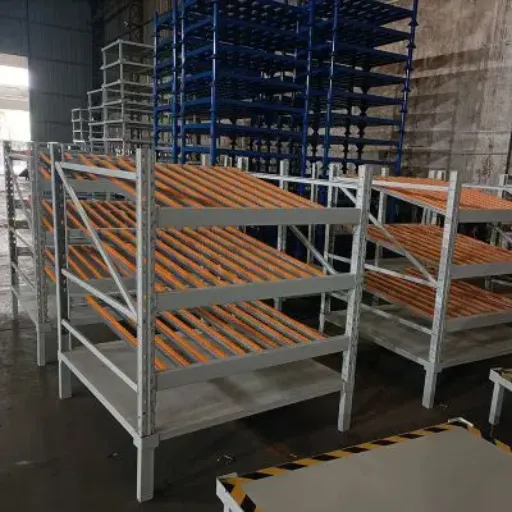
Industry Applications of Flow Rack Systems
1. Retail and E-Commerce
Flow rack systems serve as essential tools which retailers and e-commerce businesses use to handle their order fulfillment process and inventory control needs. Amazon and Walmart have implemented flow racks to enhance their picking and packing operations because online shopping has increased. The research shows that e-commerce warehouses which use FIFO flow racks achieve a 30% increase in order picking performance which results in faster shipping times and reduced operational expenses.
2. Food and Beverage
The food and beverage sector benefits significantly from flow rack systems because these systems work well with first-expired, first-out (FEFO) inventory management. This system ensures that perishable goods including fruits and vegetables and dairy products receive proper rotation to decrease waste. Research shows that food companies which implement flow racks experience a decrease in product spoilage of 25% which helps them meet food safety regulations.
3. Manufacturing
Manufacturers use flow rack systems to deliver materials from storage areas to assembly stations which need continuous delivery of parts. The automotive and electronics sectors utilize these systems to implement just-in-time production methods. The availability of components for manufacturers leads to decreased production halts which advances output times while the assembly floor efficiency gains 35% performance.
4. Healthcare and Pharmaceuticals
Pharmaceutical companies and hospitals use flow racks to handle their fast-moving stock which includes medical supplies and medications. Flow systems help these facilities provide quick access to critical items during emergencies while maintaining regulated inventory rotation methods. Healthcare organizations that use flow storage systems achieve retrieval times which are 20% faster for their essential inventory items according to industry surveys.
Utilizing Flow Shelves in Kitting Operations
The use of flow shelves improves kitting operations for multiple industries which include manufacturing and e-commerce and automotive sectors. The systems help kit assembly operations because they present components in a structured and user-friendly system which boosts productivity. Flow shelves maintain proper inventory control by following first-in, first-out (FIFO) rules which protect against inventory waste and stop usage of damaged items.
The implementation of flow shelves in kitting operations leads to a 22% decrease in assembly time while total workflow efficiency improves by 30% according to recent research findings. Workers can complete item retrieval and restocking tasks at the same time because flow shelves operate with a streamlined design which reduces excessive worker movement. The combination of flow shelves with automated picking systems achieves higher efficiency through reduced human mistakes and picking precision which exceeds 99% accuracy.
Frequently Asked Questions (FAQs)
How does a conveyor-style flow shelving system improve material handling?
Conveyor-style flow shelving uses rollers or wheel beds to move boxes and totes on gravity flow racks, which enables better material handling because it makes product movement easier from the loading area to the picking area. The system enables efficient operation because it meets high volume storage demands while providing fast access to stored items and it uses simple picking methods that require minimal forklift movements to support lean manufacturing operations.
Can pallet flow racks and pallet rack systems be combined for heavy duty storage?
Yes, pallet flow rack modules integrate with existing pallet rack to create a high density storage system able to store pallets while maintaining FIFO flow. The add-on units and stand-alone system options use steel rollers and spantrack wheel beds to handle heavy duty loads which fit your needs for warehouse storage and make picking from pallet positions safe and efficient for forklifts and operators.
What is a lane-based flow shelving layout and how many lanes do I need?
Lane-based layouts divide the flow rack into roller lanes or span track lanes that hold SKUs in first-in, first-out lanes. The number of lanes depends on SKU mix, carton dimensions, and throughput—more lanes allow segregation by SKU and improve picking ergonomics. Flow rack solutions with adjustable width and add-on units let you tailor lane count to storage needs and maximize efficient storage density.
How does FIFO flow work in gravity flow racks and why is it important?
The first carton loaded into a gravity flow rack system uses FIFO flow to control picking because it operates from a slightly sloped span track or flow roller surface. This controlled movement of products ensures proper rotation of perishable items and time-sensitive SKUs which enables efficient warehouse flow to maintain storage operations that reduce spoilage while enhancing inventory accuracy.
Are there advantages to use gravity or use gravity-assisted systems over powered conveyors?
The use of gravity flow racks which include flow roller and spantrack systems provides two benefits because it decreases energy expenses and maintenance demands when compared to powered conveyors. Gravity racks are perfect for various uses because they enable better handling while making it easier to operate which helps pickers access items at the front of the rack. For very high volume or long transfer distances, powered conveyors may be used in combination with gravity lanes to balance efficiency and automation.
Recently Posted
-
Logistics Metal Cages and Pallets: Revolutionizing Material Handling in Supply Chains
March 11, 2026The success of a supply chain operation depends on its capacity to handle materials efficiently. The industry sector needs to enha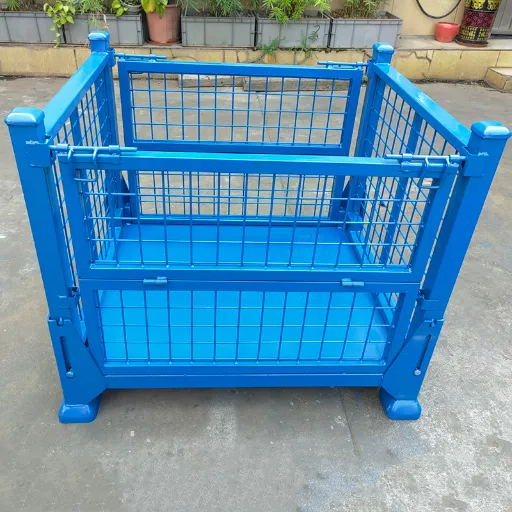 Read More
 -
Warehouse Rack & Metal Shelving: Effective Storage Solutions for Pallet
March 10, 2026Effective storage solutions underpin any well-organized warehouse or industrial facility. As the demand for streamlined operations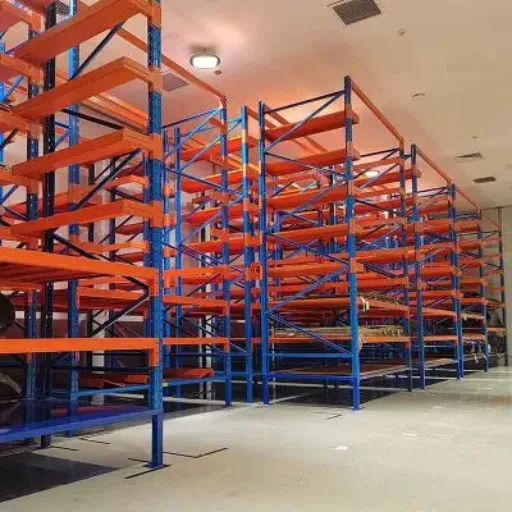 Read More
 -
Gravity Flow Racking: FIFO Carton Flow Shelve Systems
March 10, 2026Proper inventory management is the key to any successful warehouse operation, which is why choosing the right storage solutions is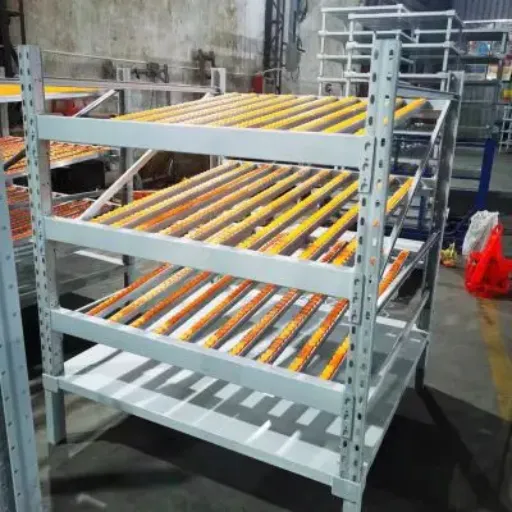 Read More
 -
Portable Stackable Pallet Rack for Warehouse Storage: Optimize Your Space
March 10, 2026For every warehouse or industrial facility some of the aims are to make sure storage spaces are the largest and arranged in the mo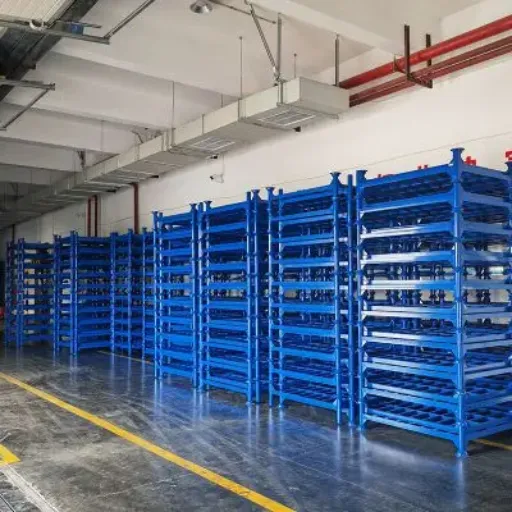 Read More

Contact Us
Recommended Products
-
 Robust Drive-in Pallet Racking for High-Density Warehouse StorageNegotiableMOQ: 1 Kilogram
 -
Corrosion-Resistant Metal Stacking Racks for Chemical Plant UseNegotiableMOQ: 500 Sets
-
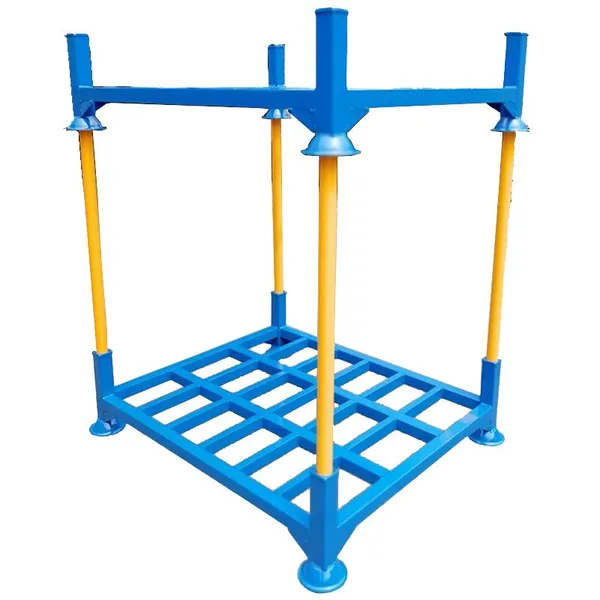
Stackable Steel Pallets Space Saving Metal Pallet for Industrial Warehouse ManagementNegotiableMOQ: 100 Pieces
-
Industrial Steel Mesh Trolley With Reinforced Frame for Laundry and Garment FactoriesNegotiableMOQ: 500 Sets
-
Heavy Duty Wire Mesh Cage With 2mm Wire Diameter for Construction UseNegotiableMOQ: 50 Sets
-
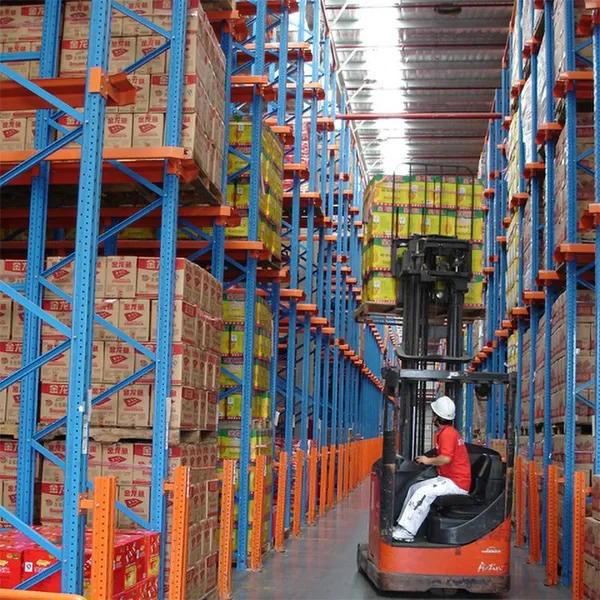
Jinchuan Steel Beam-type Shelves - Universal, Efficient, Random Access, High-level Heavy-duty Storage Racks With Customizable SizesUS$ 90.77 - 92.31MOQ: 10 Sets
-
Multi-Purpose Stackable Plastic Storage Bins for Warehouse and Farm ApplicationsNegotiableMOQ: 10 Sets
-
Steel Textile Roll Storage Rack for Carpet and Warehouse OrganizationNegotiableMOQ: 100 Sets
-
Stackable Storage Cage for Pharmaceutical Warehouse ComplianceNegotiableMOQ: 50 Sets
-
Industrial Metal Stacking Racks for Automotive Parts StorageNegotiableMOQ: 500 Sets
-
Custom Sized Wire Mesh Cage for Industrial Parts and Tool OrganizationNegotiableMOQ: 50 Sets
-
Standard Compliant Wire Mesh Cage With Mill Test Report for Quality AssuranceNegotiableMOQ: 50 Sets
-
Jinchuan Non-standard Steel Lean Tube Trolley, Flexible Customization, Strong Adaptability, Easy Assembly, Flexible TransformationUS$ 121.54 - 123.08MOQ: 10
-
Jinchuan Non-standard Agv Steel Pallet Buffer Storage Rack, Intelligent Docking, Efficient Circulation, Flexible Buffering, Reducing Manual HandlingUS$ 121.54 - 123.08MOQ: 50 Sets
-
Jinchuan Steel Ctu Material Box Robot Shelving With Adjustable Layer Height, Suitable for High-density Storage of Small Items in Multiple CategoriesUS$ 136.92 - 138.46MOQ: 10 Sets
-
Jinchuan Warehouse High - Rise Stereo Warehouse Shelves, Intelligent Collaboration, Automated and Efficient Operation, Heavy - Load and Stable, Safe and ReliableUS$ 121.54 - 123.08MOQ: 10 Sets
-
Heavy-Duty Industrial Profile Stacking Cart, Galvanized Steel Rolling Trolley for Aluminum Extrusion TransportNegotiableMOQ: 10 Pieces
-
Jinchuan Steel Heavy-duty Shuttle Rack With Flexible Storage Mode for Automatic Goods Access and Remote ControlUS$ 121.54 - 123.08MOQ: 10 Sets
-
Aluminum Alloy Logistics Trolley for Warehouse & ManufacturingNegotiableMOQ: 10 Sets
-
Heavy-Duty Warehouse Storage Racks for Robot Systems - Metal ConstructionNegotiableMOQ: 50 Pieces