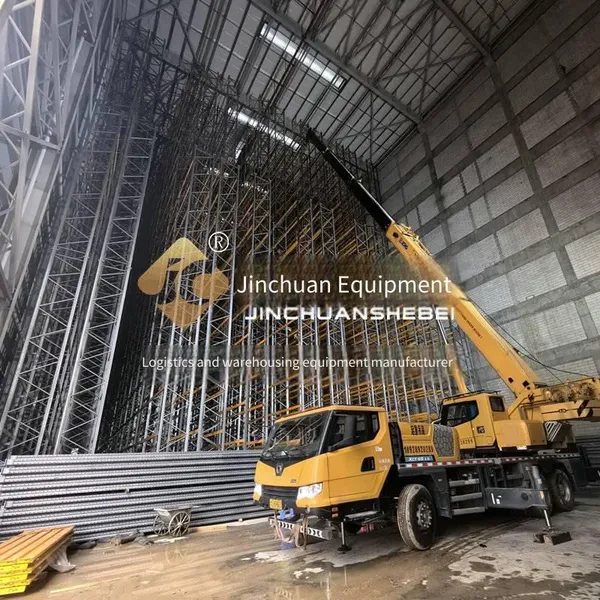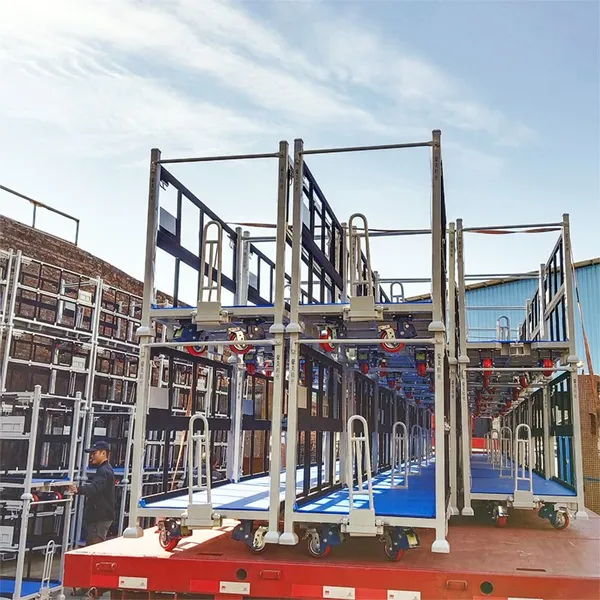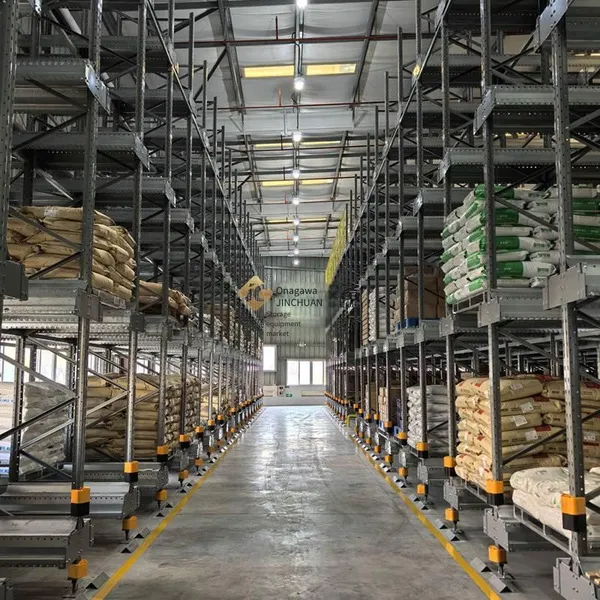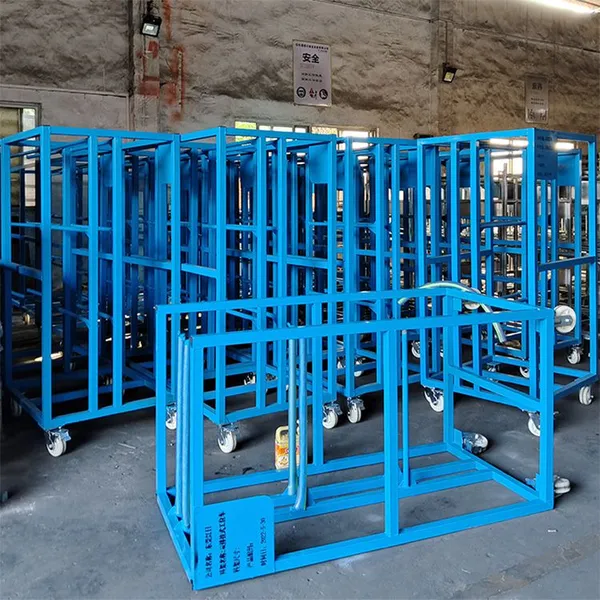

 Business License

Logistics Warehouse Racking System: Optimize Your Storage Solution
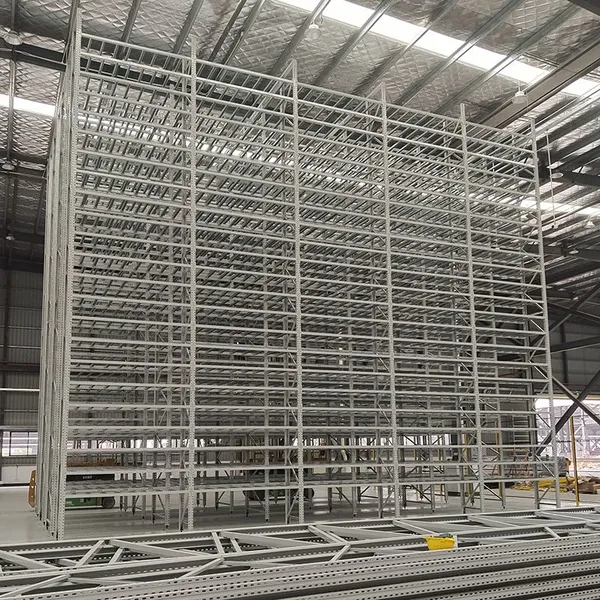
The core requirements of warehouse operations depend on suitable storage solutions which maintain their essential function. Businesses today require proper warehouse racking systems because they need to deliver products faster and maintain efficient inventory management. The blog post investigates warehouse racking systems which help businesses increase their storage capacity while achieving better operational performance and meeting future business requirements. The essential elements for selecting the right racking solution need to be evaluated because our guide serves your logistics needs whether you establish a new facility or upgrade an existing one. The process will transform your warehouse into a high-efficiency functional center.Find more info now.
Introduction to Racking Systems in Warehousing
The Importance of Efficient Racking in Modern Logistics
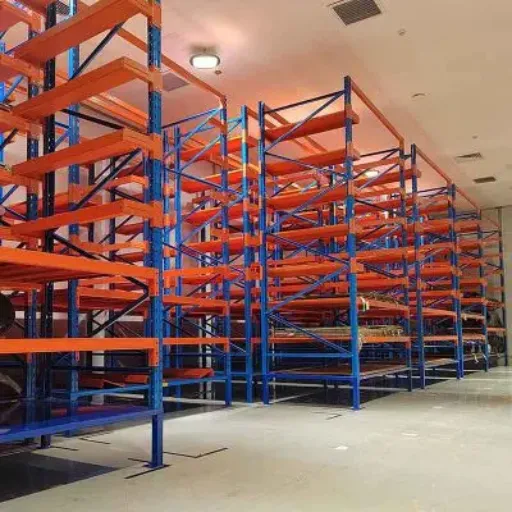
Modern logistics operations depend on efficient racking systems which help organizations to maximize their available space while enhancing their operational processes and managing their stock. Recent industry statistics show that businesses must treat effective space utilization as their primary goal because storage costs represent 20 percent of their total logistics expenses. Warehouses can increase their storage capacity through advanced racking solutions which include pallet racking and cantilever racking and drive-in racking systems because those systems enable facilities to keep more products without needing extra room.
Modern racking systems enable better operational efficiency because they create improved product accessibility which shortens the time needed for product retrieval. Recent studies show that a properly constructed selective pallet racking system can achieve more than 30 percent reduction in picking time. The two elements which directly affect order processing times and customer satisfaction, function as essential components of contemporary e-commerce operations. Warehouses achieve higher operational efficiency through improved accuracy when they implement technology solutions which include RFID tagging and barcoding and automated picking systems.
Overview of Warehouse Storage Solutions
Pallet Racking Systems
Pallet racking systems function as storage solutions which support high-density storage needs at different facilities. The systems include three types of racking which are selective racking double-deep racking and drive-in/drive-thru racking. The systems enable warehouses to use vertical space because they can handle different pallet sizes. The most preferred option among businesses remains selective pallet racks because these racks enable businesses to access their inventory with ease.
Automated Storage and Retrieval Systems (AS/RS)
AS/RS employs robotic systems to perform precise storage operations and item retrieval tasks. The recent data shows that AS/RS systems implementation can produce 85 percent better space utilization and 70 percent lower labor costs which makes these systems suitable for warehouses that experience worker shortages and need to process high volumes of goods.
Mezzanine Floors
Mezzanine systems enable warehouses to create extra floor space through their multi-level storage design which extends upwards. The systems deliver an economical approach to storage space expansion because they require only existing building space which makes them suitable for e-commerce order fulfillment centers that need to store small items.
Cantilever Racking
Cantilever racks function as storage solutions for businesses that need to keep large and heavy materials such as lumber and pipes and steel. The warehouse needs open areas together with special storage solutions which their open design with adjustable arms provides to improve accessibility.
Mobile Shelving Systems
Mobile shelving systems enable storage units to move on tracks which creates more available floor space. The system delivers 50 percent additional storage capacity through its operation in areas with low foot traffic and confined spaces when compared to traditional shelving systems that remain in one position.
Impact of Racking on Material Handling
The process of material handling in warehouses and distribution centers reaches its best performance through the use of racking systems. Racking systems create organized storage solutions which help facilities to maximize their available space while achieving quicker inventory access which results in increased productivity throughout their operations. The research findings from industry studies show that businesses can achieve 40% storage capacity improvement by using high-density pallet racking systems which allow them to increase their inventory storage capacity without needing more physical space.
Businesses can meet their various storage needs through the three advanced racking systems which include selective pallet racks and push-back racks and drive-in racks. Drive-in racking enables businesses to achieve their high-density storage requirements because this system allows them to save 75% of their required floor area while selective racks provide workers with complete pallet access which improves both picking precision and work performance speed.
Automated retrieval systems achieve their highest efficiency levels when they operate in coordination with racking systems. The research found that automated systems reduce total labor costs by 25% while efficient racking systems increase order fulfillment efficiency. The combination of racking systems with automation technology enables businesses to monitor their inventory in real time, which improves their inventory control and enables faster product movement, resulting in better customer experiences.
Types of Racking Systems
Selective Racking: Versatility in Storage
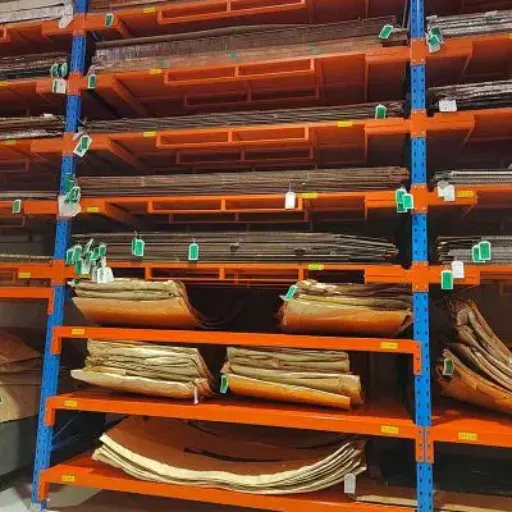
The most popular racking method among warehouses operates through selective racking because this system provides multiple options for handling different inventory items. Warehouses which handle high product volume and various product types can use this system because it provides total pallet accessibility. Most standard forklifts can use this racking system because it enables operators to perform loading and unloading tasks without difficulty.
The industry data shows that selective racking systems achieve 90 percent vertical space utilization in warehouses which enables efficient storage while maintaining easy access to items. The system provides multiple adjustments which enable users to move the beams according to their current inventory requirements. The systems construction materials will determine the maximum weight capacity which extends from 1,000 pounds to 6,000 pounds for each beam level.
Drive-in Racking: Maximizing Space for Large Loads
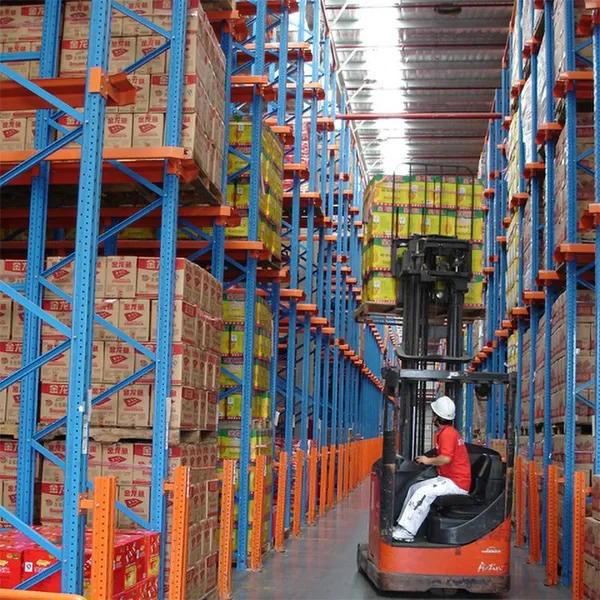
Drive-in racking systems use their design to enable forklifts to enter the racking structure which helps achieve maximum storage density. Drive-in racks function differently than traditional racking systems because they create storage areas within their compact design which enables warehouses to store large quantities of identical products. The solution provides optimal performance for industries that need to store bulk materials which includes food and beverage and manufacturing and cold storage operations.
The data shows that drive-in racking systems provide 75 percent more storage space than selective racking systems because they use both horizontal and vertical storage space. The system uses last-in first-out (LIFO) inventory handling which works best for seasonal products and items that do not sell frequently. The drive-in racks enable pallet storage that reaches 33-foot (10-meter) height which maximizes the potential for using vertical storage space.
Push-back Racking: Balancing Access and Density
Push-back racking systems deliver advanced storage capabilities to warehouses because they permit increased storage space and improved access to stored items. The system uses two mobile carts to transport pallets which move along inclined tracks to develop six distinct storage pathways. The process starts when someone loads a new pallet which pushes the existing pallet backward while the stored pallets roll forward to the front area which allows workers to access the front inventory without affecting the rest of the inventory.
Push-back racking systems provide their main advantage through their capacity to maximize storage areas while enabling quick access to stored products. Recent industry research shows that facilities using push-back racking systems achieve storage density increases between 25-30 percent beyond what selective racking systems provide. The system decreases the duration needed for item collection which leads to improved productivity throughout the entire operation. The system works best for environments with frequent product turnover because it combines FIFO access with LIFO storage methods.
Factors to Consider When Choosing a Racking System
Understanding SKU Density and Its Implications
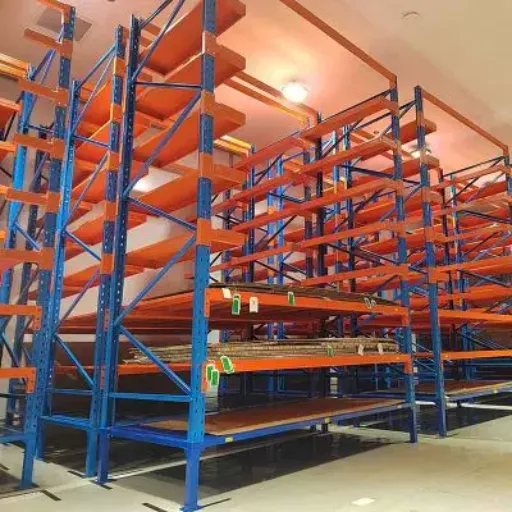
The term Stock Keeping Unit (SKU) density measures the number of distinct inventory items which are stored in a particular area of your warehouse. High SKU density means a large variety of items are stored in a compact area, while low SKU density implies fewer items are spread across more space. Businesses use their understanding of SKU density to enhance inventory management processes while selecting the optimal racking system which will generate maximum financial benefits.
According to recent studies, warehouses with optimized SKU density experience up to a 30% improvement in picking accuracy and up to 40% faster order fulfillment times. The high SKU density warehouse can implement vertical storage solutions such as mobile and cantilever racking which enable efficient space utilization while maintaining accessibility. Selective pallet racking systems grant direct access to bulk storage items for environments that maintain low SKU density.
FIFO vs. LIFO: Choosing the Right Inventory Method
FIFO (First-In, First-Out):
The FIFO system requires businesses to sell their oldest inventory first before selling more recent stock. The method matches the actual process which occurs for businesses that handle perishable products through their supply chains. The FIFO method provides companies with inflationary benefits because it calculates their current inventory value based on older assets which cost less to acquire. According to a 2023 report by Statista, approximately 48% of businesses globally favor FIFO for its transparency and realistic inventory valuation on the balance sheet. The method also reduces the likelihood of obsolescence and wastage.
LIFO (Last-In, First-Out):
LIFO assumes that the newest inventory stock is sold first. The method helps companies which operate in industries with increasing inventory costs to control their inventory expenses. The business practice of selling their latest acquired inventory which has higher expenses enables companies to decrease their taxable income during periods of inflation which results in reduced taxes. The International Financial Reporting Standards (IFRS) prohibit LIFO usage while it serves as the main method of accounting under Generally Accepted Accounting Principles (GAAP) particularly in the United States.
Safety Standards and Compliance Requirements

Overview of Relevant Safety Regulations
Businesses need to comply with various safety regulations which differ between regions but still contain fundamental safety requirements to achieve workplace safety standards. The United States uses the Occupational Safety and Health Administration (OSHA) to create and enforce workplace safety standards which protect employee health. OSHA reports show that businesses which follow safety regulations experience workplace injuries that decrease by 20 to 40 percent every year which results in cost savings and better employee health.
The International Labour Organization (ILO) provides international workplace safety standards through its Occupational Safety and Health (OSH) conventions which various countries have adopted. The ILO estimates that over 2.7 million people die annually due to workplace accidents or diseases, spotlighting the critical need for robust safety measures.
Best Practices for Racking Safety in Warehouses
Perform Frequent Inspections
Routine checks are essential for identifying and addressing potential issues with racking systems, which include bent frames and overloaded shelves and loose bolts. Reports show that regular inspections can reduce racking-related accidents by up to 30%.
Follow Weight Limit Guidelines
Racks should display their weight limits through visible signs which help employees understand safe loading practices. Racks that receive excessive weight become the main reason behind structural failures. Research indicates that following load capacity limits leads to a 25 percent decrease in racking collapse incidents.
Implement Proper Staff Training
Employees need training about racking systems and weight distribution and safe handling methods. Studies show that warehouses with comprehensive training programs report a 45% decline in racking-related incidents compared to those without.
Maintain Proper Aisle Widths
Sufficient distance between racks enables machines such as forklifts to operate without safety risks. According to OSHA standards, aisle clearance should accommodate equipment and reduce congestion risks.
Integrating Racking Systems with Warehouse Management Systems

Benefits of Integration for Inventory Control
The combination of racking systems and Warehouse Management Systems (WMS) delivers superior benefits for inventory management because it improves both inventory precision and operational efficiency. The system updates stock information in real time because it connects actual inventory with digital inventory tracking systems which prevents both excessive inventory and inventory shortages. The MarketsandMarkets report shows that the worldwide WMS industry will increase from $3 billion in 2020 to $5.1 billion by 2025 which indicates that these integrated systems are becoming more valuable to businesses.
The main advantage of this system enables better control over inventory stock levels throughout all parts of the supply chain process starting from deliveries through storage until final dispatch. The integrated system provides companies with complete inventory tracking that monitors stock movements from the time they arrive until they reach storage and finally transit to outbound shipping. Organizations can make faster choices because the system provides complete visibility which helps them to spot problems. The system automates inventory management tasks which leads to faster inventory verification processes while decreasing possibilities of human mistake during inventory assessment.
Warehouse Racking Technology Trends and WMS
The present-day development of logistics systems and supply chain processes occurs through the integration of advanced technological systems into both warehouse racking systems and Warehouse Management Systems (WMS). The warehouse industry undergoes a transformation because companies increasingly adopt automation systems together with data analytical tools and Internet of Things (IoT) technologies.
Warehouses currently implement artificial intelligence (AI) and machine learning (ML) technology to operate their warehouse management systems (WMS) according to present market conditions. The warehouse systems use these technologies to perform predictive analytics which helps them predict upcoming demand changes and handle inventory management. According to a report from Grand View Research which was published in 2023 the AI-driven warehouse market will experience a compound annual growth rate (CAGR) of 34.8% until 2030. The data indicates that businesses now require intelligent systems to assist them in making superior choices which reduce their operational costs.
Frequently Asked Questions (FAQs)
What is a pallet racking system and how does it improve pallet storage?
A pallet racking system enables efficient order preparation by establishing a dedicated storage method which stores palletized products at multiple height levels to enhance available storage space. The implementation of adjustable pallet racking together with scalable storage systems enables businesses to achieve optimal storage efficiency while they handle unit loads and establish high-grade storage facilities which support all types of handling equipment including forklifts and VNA racking systems.
How can mobile racking and mobile pallet racking maximize space optimisation?
Mobile racking and mobile pallet racking systems operate through mobile bases or rails which remove fixed aisles to create a storage system that functions with greater density and requires less physical space. The systems enable users to create tighter storage during periods of low activity while still allowing access for product picking and replenishment tasks. Mobile pallet solutions pair well with flow racking and conveyor roller systems to balance accessibility and space optimisation.
When should a company choose warehouse shelving versus high-density storage racks?
Warehouse shelving serves as the optimal storage solution for small parts pickings and order preparation tasks because it provides simple product access and excellent product visibility. The combination of raw materials and finished goods handling equipment together with turnover rates and storage needs determines optimal storage solutions between expandable storage and space optimization methods.
Can cantilever racking or mezzanine systems help with storing products of irregular shape?
Cantilever racking enables storage of both long products and irregular items because it uses horizontal arms to carry single and multiple pallet loads without needing front support columns. Mezzanine systems create additional usable space which can be utilized together with storage racks or shelving systems to build storage solutions that can adapt to different requirements.
Recently Posted
-
Logistics Metal Cages and Pallets: Revolutionizing Material Handling in Supply Chains
March 11, 2026The success of a supply chain operation depends on its capacity to handle materials efficiently. The industry sector needs to enha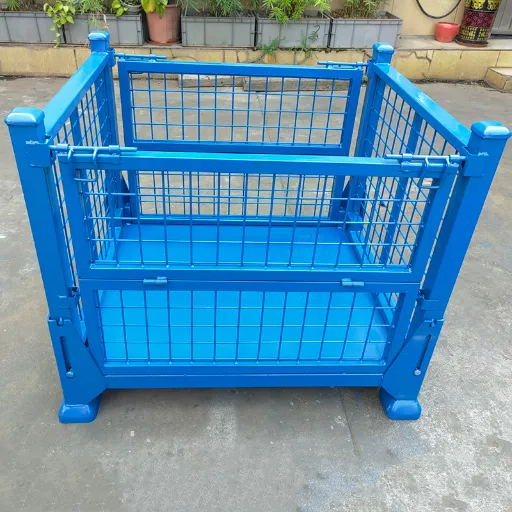 Read More
 -
Warehouse Rack & Metal Shelving: Effective Storage Solutions for Pallet
March 10, 2026Effective storage solutions underpin any well-organized warehouse or industrial facility. As the demand for streamlined operations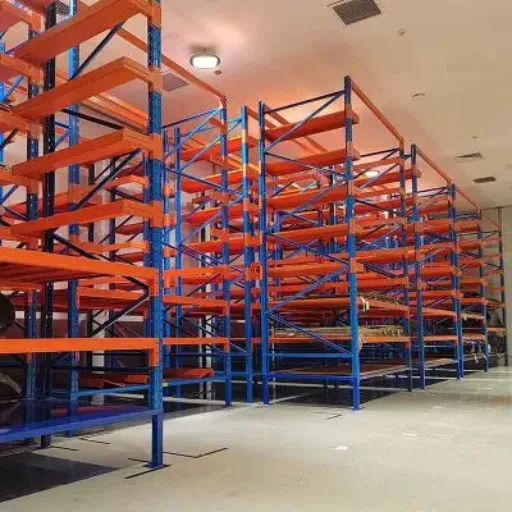 Read More
 -
Gravity Flow Racking: FIFO Carton Flow Shelve Systems
March 10, 2026Proper inventory management is the key to any successful warehouse operation, which is why choosing the right storage solutions is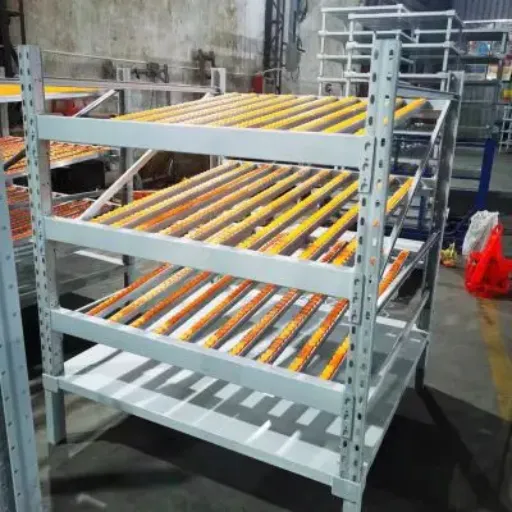 Read More
 -
Portable Stackable Pallet Rack for Warehouse Storage: Optimize Your Space
March 10, 2026For every warehouse or industrial facility some of the aims are to make sure storage spaces are the largest and arranged in the mo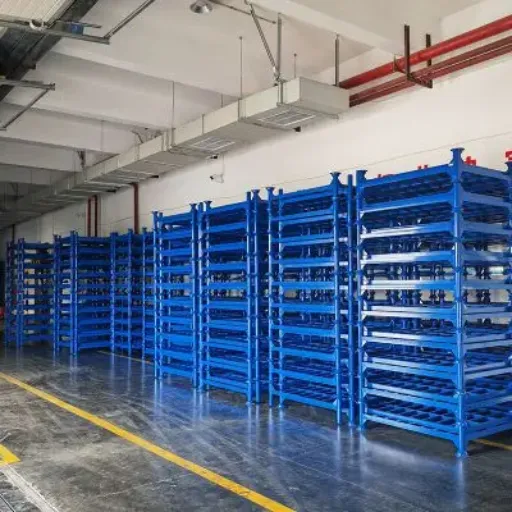 Read More

Contact Us
Recommended Products
-
 Robust Drive-in Pallet Racking for High-Density Warehouse StorageNegotiableMOQ: 1 Kilogram
 -
Corrosion-Resistant Metal Stacking Racks for Chemical Plant UseNegotiableMOQ: 500 Sets
-
Stackable Steel Pallets Space Saving Metal Pallet for Industrial Warehouse ManagementNegotiableMOQ: 100 Pieces
-
Industrial Steel Mesh Trolley With Reinforced Frame for Laundry and Garment FactoriesNegotiableMOQ: 500 Sets
-
Heavy Duty Wire Mesh Cage With 2mm Wire Diameter for Construction UseNegotiableMOQ: 50 Sets
-
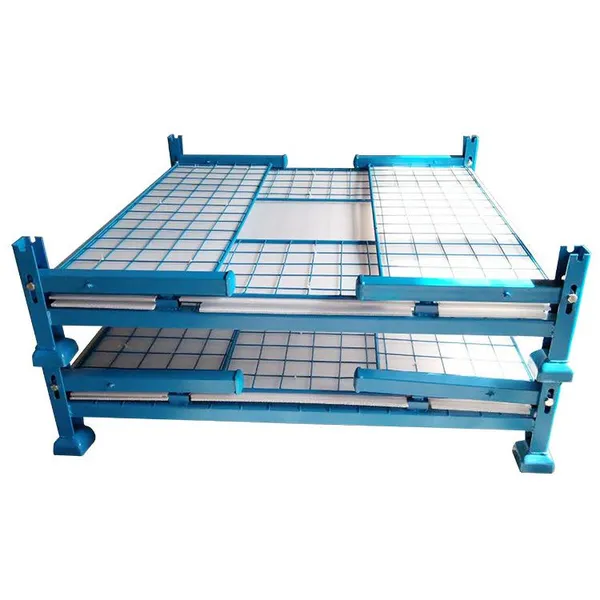
Jinchuan Steel Beam-type Shelves - Universal, Efficient, Random Access, High-level Heavy-duty Storage Racks With Customizable SizesUS$ 90.77 - 92.31MOQ: 10 Sets
-
Multi-Purpose Stackable Plastic Storage Bins for Warehouse and Farm ApplicationsNegotiableMOQ: 10 Sets
-
Steel Textile Roll Storage Rack for Carpet and Warehouse OrganizationNegotiableMOQ: 100 Sets
-
Stackable Storage Cage for Pharmaceutical Warehouse ComplianceNegotiableMOQ: 50 Sets
-
Industrial Metal Stacking Racks for Automotive Parts StorageNegotiableMOQ: 500 Sets
-
Custom Sized Wire Mesh Cage for Industrial Parts and Tool OrganizationNegotiableMOQ: 50 Sets
-
Standard Compliant Wire Mesh Cage With Mill Test Report for Quality AssuranceNegotiableMOQ: 50 Sets
-
Jinchuan Non-standard Steel Lean Tube Trolley, Flexible Customization, Strong Adaptability, Easy Assembly, Flexible TransformationUS$ 121.54 - 123.08MOQ: 10
-
Jinchuan Non-standard Agv Steel Pallet Buffer Storage Rack, Intelligent Docking, Efficient Circulation, Flexible Buffering, Reducing Manual HandlingUS$ 121.54 - 123.08MOQ: 50 Sets
-
Jinchuan Steel Ctu Material Box Robot Shelving With Adjustable Layer Height, Suitable for High-density Storage of Small Items in Multiple CategoriesUS$ 136.92 - 138.46MOQ: 10 Sets
-
Jinchuan Warehouse High - Rise Stereo Warehouse Shelves, Intelligent Collaboration, Automated and Efficient Operation, Heavy - Load and Stable, Safe and ReliableUS$ 121.54 - 123.08MOQ: 10 Sets
-
Heavy-Duty Industrial Profile Stacking Cart, Galvanized Steel Rolling Trolley for Aluminum Extrusion TransportNegotiableMOQ: 10 Pieces
-
Jinchuan Steel Heavy-duty Shuttle Rack With Flexible Storage Mode for Automatic Goods Access and Remote ControlUS$ 121.54 - 123.08MOQ: 10 Sets
-
Aluminum Alloy Logistics Trolley for Warehouse & ManufacturingNegotiableMOQ: 10 Sets
-
Heavy-Duty Warehouse Storage Racks for Robot Systems - Metal ConstructionNegotiableMOQ: 50 Pieces