
 Business License

Stackable Pallet Racks: The Ultimate Solution for Warehouse Storage
The success of logistics operations depends on efficient warehouse storage which serves as their main operational foundation, while businesses must solve the problem of finding effective methods to enhance their storage areas and warehouse operations. The industry has experienced a major transformation through stackable pallet racks which provide customers with unmatched operational flexibility and product strength and user-friendly design. The article demonstrates how modern storage solutions will transform your warehouse practices by enabling you to achieve optimal space utilization and create better operational processes and spend less money. This guide demonstrates how stackable pallet racks function as the best storage option for all storage needs, which applies to both small storage sites and large distribution operations. Find more info now.
Introduction to Stackable Pallet Racks
What are Stackable Pallet Racks?
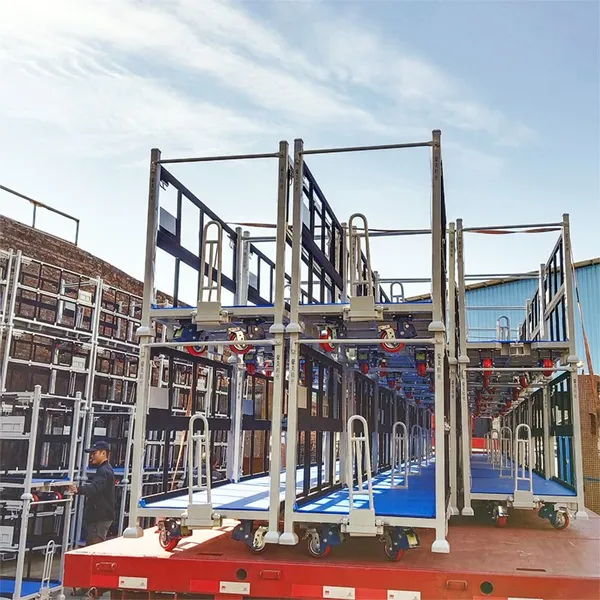
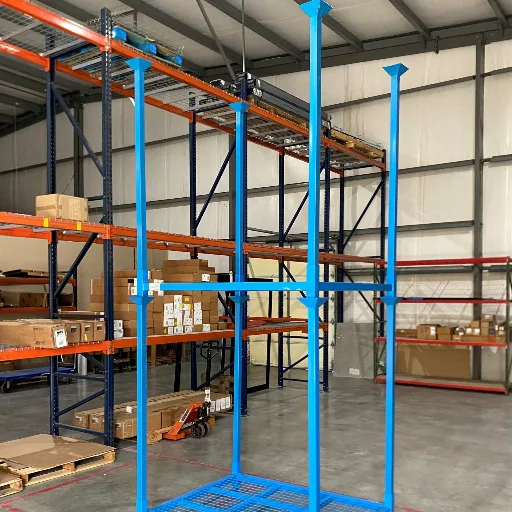
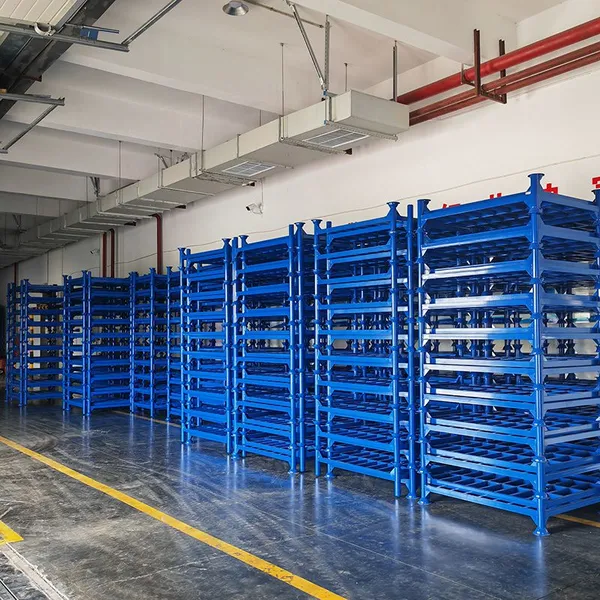
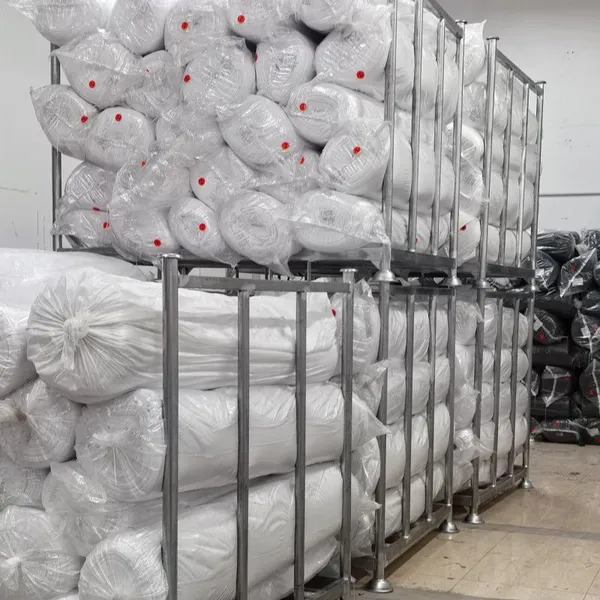
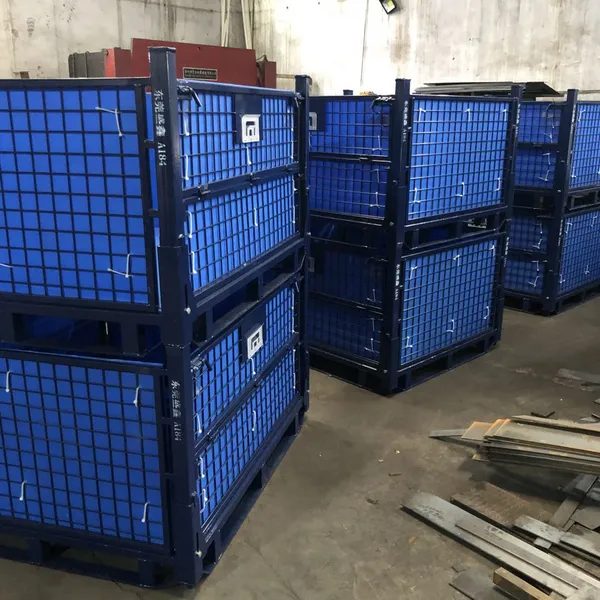
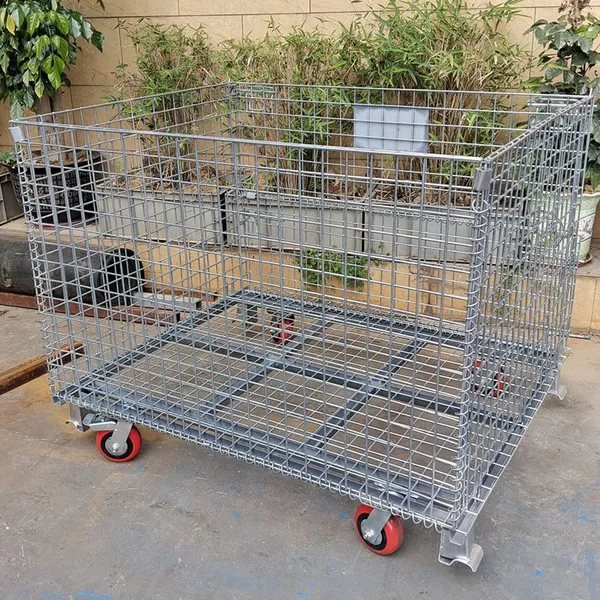
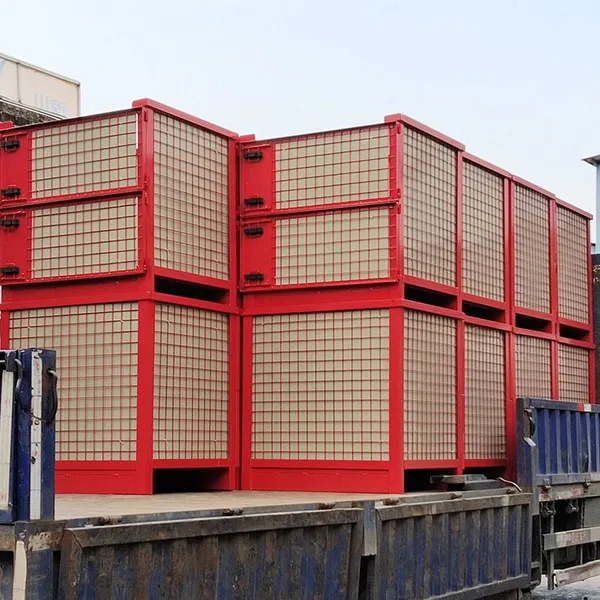
Stackable pallet racks function as industrial storage systems which allow warehouses and distribution centers and storage facilities to maximize their available space while maintaining flexible operations. The modular racks come with robust frame parts that work together with vertical poles to build stackable storage systems which users can customize to meet their specific needs. Users can relocate stackable pallet racks because of their design which enables complete movement between locations while all features remain intact making these racks suitable for storage environments which undergo frequent changes.
The most recent research indicates that stackable pallet racks enable facilities with limited floor space to attain storage density improvements of up to 40 percent. The racks typically use steel material which guarantees their durability and capacity to support loads that range from 1,000 to 4,000 pounds per rack. The racks enable organizations to conduct their business activities without interruptions because the system allows for disassembly which facilitates easy transportation during warehouse relocations.
Businesses that handle seasonal inventory requirements use stackable pallet racks as their main storage solution because these racks enable companies to scale their storage capacity based on their current inventory requirements. The racks enable businesses to optimize their storage systems through vertical space optimization which results in better workflow processes and lower operational costs. The system achieves full operational efficiency because it works with standard forklift and stacker systems to deliver modern storage solutions for businesses.
Importance of Efficient Warehouse Storage
Effective storage systems which work in warehouses serve as essential elements which support businesses during their operational tasks while they aim to generate profits. The research findings show that storage system optimization enables warehouses to achieve 40 percent better space utilization which leads to major cost reductions and more efficient workflow operations. The projected $8 trillion global e-commerce market for 2026 requires businesses to implement advanced storage solutions which address their increasing inventory needs.
Modern warehouse storage systems enable better organization which leads to faster retrieval processes and decreased errors during operations. The introduction of automated storage and retrieval systems (AS/RS) allows companies to reduce their labor expenses by 30 percent while achieving better order accuracy results. Vertical storage solutions enable businesses to use all vertical space in their facilities which helps companies that operate in urban areas and restricted spaces.
Comparison of Stackable Racks and Traditional Racking Systems
Advantages of Stackable Racks
Space Optimization
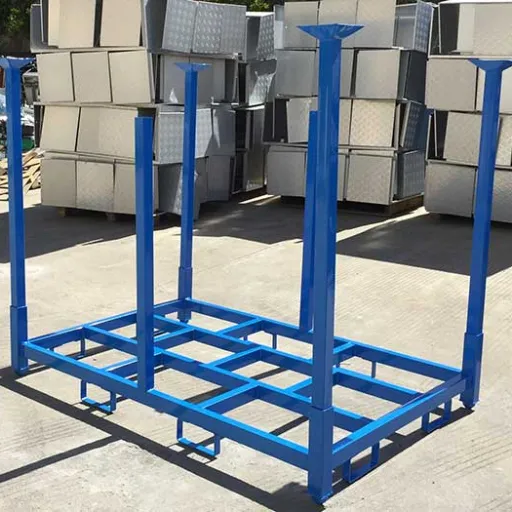
The design of stackable racks enables facilities to use their vertical space because they allow safe stacking of pallets in multiple storage height levels. The feature benefits facilities that face height limits and ground area constraints because it lets businesses store extra products within their existing space. The storage efficiency benefits which stackable racking systems provide to businesses reach 40 according to research results from recent industry studies.
Flexibility and Versatility
Stackable racks provide storage solutions which allow users to create their own storage space design because they can be moved to different locations. The system can be adapted to handle operational requirements which arise during seasonal inventory changes and need for extra space. The flexible system allows businesses to decrease their storage needs through space reconfiguration and expansion which benefits their growth objectives.
Ease of Handling
The entire warehouse operations become more efficient because stackable racks enable better product handling through all areas of the building. The racks operate with forklifts which lets them complete loading and unloading tasks quickly to boost work efficiency. Research shows that companies that adopt stackable racks can reduce labor time associated with inventory management by up to 25%.
Durable and Long-Lasting
Stackable racks use steel as their primary construction material because this heavy-duty material enables them to endure extreme weight and intense usage conditions. Product durability brings businesses advantages because it reduces replacement needs which create cost savings while maintaining product safety throughout the product lifespan.
Limitations of Traditional Permanent Racking
Lack of Flexibility
The fixed nature of traditional racking systems at their designated locations prevents sites from making necessary adjustments to their storage needs. The storage needs of businesses that experience seasonal demand changes will remain unmet until they complete their substantial construction work. According to a Statista report 40 percent of United States warehouses lack peak season storage capacity because their current systems do not support flexible storage operations.
High Installation and Maintenance Costs
The establishment of permanent racking systems requires substantial financial investment because it needs both specialized workforce and permanent installation components together with complete design work for their physical space. The process of equipment repair and maintenance incurs high costs because it requires many hours of work to fix damaged structural components which have been used for extended time periods.
Limited Space Utilization
The design of permanent racks prevents maximum vertical space usage thus creating a situation where overhead space remains unoccupied. The permanent design of the systems prevents them from adapting to various product storage needs which depend on different product dimensions. Research from the Material Handling Industry (MHI) shows that space inefficiency results in warehouses losing 20-30% of their total storage capacity.
Difficulty in Relocation
The installation of permanent racking systems prevents businesses from relocating their racking systems after establishing their racking systems. The need for businesses to expand their operations or relocate their facilities or modify their warehouse layout will increase their expenses because they must disassemble and reconstruct their racking systems.
Safety Considerations for Stackable Pallet Racks
Load Capacity Guidelines
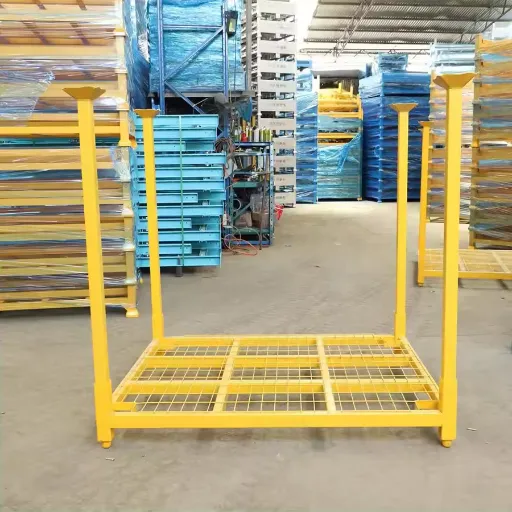
The operational safety requirements of stackable pallet racks need to be met through their load capacity standards because these standards protect from operational dangers and protect against equipment harm. The maximum load capacity of pallet racks differs based on their construction materials and design elements and the specifications set by their manufacturers. The design of stackable pallet racks allows them to carry loads between 1000 pounds and 6000 pounds which differs between various models and setup options.
The first step of warehouse rack system selection requires all item weight calculation which needs to include the weight of both pallets and their contained products. The rack needs weight distribution along its entire length because this approach prevents the structure from tilting or collapsing. Racks present dangerous conditions to users when their rated capacity gets exceeded because this practice increases accident risks while endangering employee safety and resulting in massive financial losses.
Safe Stacking Best Practices
Weight and Height Limits Need to Be Followed
OSHA and ANSI guidelines establish stack height requirements which need to be proportional to the weight of stored materials according to standards. Pallets that weigh more than 2,000 lbs should not be stacked higher than 4-6 pallets which depends on their stability and racking system. The load must have its maximum weight limit displayed through a visible label which must be followed without exception.
Load Distribution Requires Proper Implementation
Pallets and racks need their load distribution to be performed in an equal manner because this practice prevents the creation of an unstable system. A warehouse workplace injury occurs through tipping or collapse because an uneven load distribution causes this situation which leads to 6%-10% of all warehouse injuries.
Palets Require Quality Inspection
The use of damaged pallets or low-quality pallets creates stability issues. Inspectors need to check pallets for signs of splits and warping and missing components. The use of high-quality pallets which maintain consistent durability throughout their lifetime can lead to 20% reduction in stacking incidents according to research findings.
Accurate Stack Alignment
Stacking operations become unsafe because stacks lose their ability to maintain accurate alignment. The interlock stacking method requires all items to be placed in the center of the pallet while stacks need to be aligned directly above each other for proper security.
Training and Supervision
Warehouse employees need to receive complete training which teaches them both proper stacking techniques and equipment operating procedures. Research findings show that 85% of all workplace accidents occur when employees lack essential training.
Impact on Warehouse Space Optimization
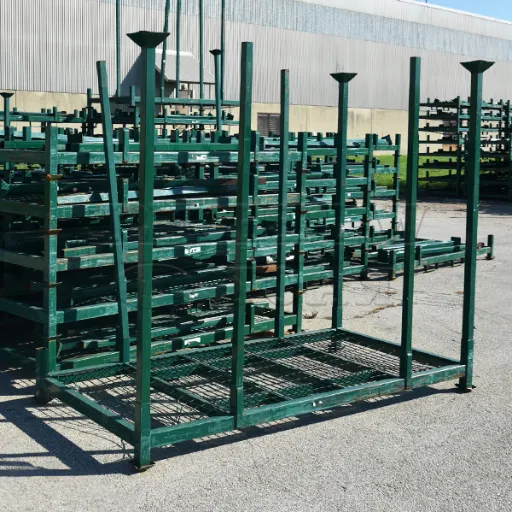
Maximizing Vertical Space with Stackable Racks
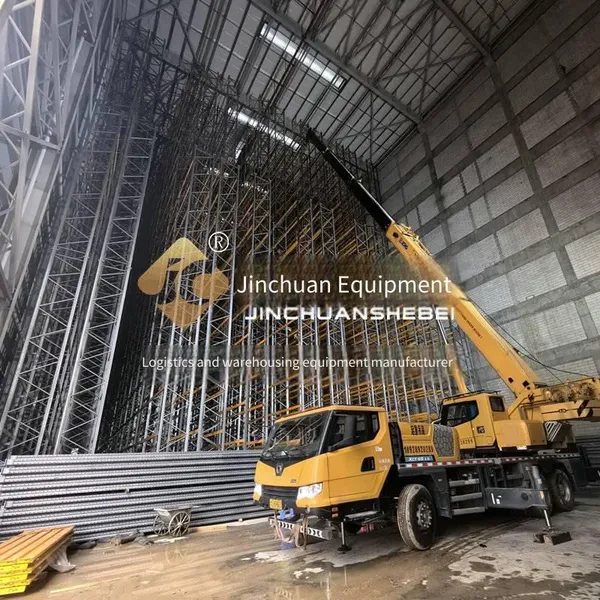
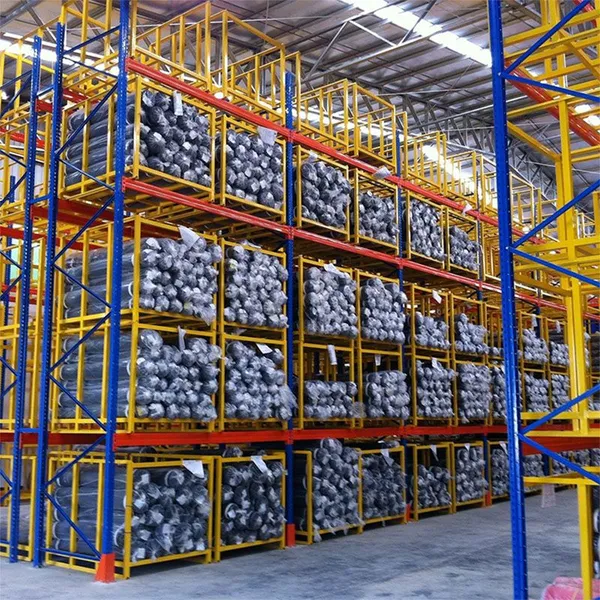
Warehouses need to maximize their vertical space because this practice creates multiple advantages which include better storage capacity and improved operational performance. Stackable racks offer businesses a storage solution which allows them to modify their entire storage system based on their evolving storage needs. The racks provide businesses with access to their ceiling areas which reduces their requirement for floor space dedicated to product storage while enabling them to access their items without restrictions.
The industry data shows that stackable racks which operate as vertical storage systems can increase warehouse capacity by 40 percent which enables businesses to handle their growing inventory requirements without needing to build more facilities. Typical warehouses with 20-foot ceilings gain additional usable space through the implementation of stackable racks and vertical shelving systems. The current rack systems in warehouses function as modular designs which enable facilities to change their storage capacities based on their inventory needs.
The Essential Need for Better Operational Efficiency
Warehouse and logistics operators need to improve their operational efficiency because this improvement enables them to reduce costs while increasing their productivity. Warehouse management systems (WMS) and automation tools enable organizations to achieve significant technology improvements through their use of advanced technologies. The implementation of WMS systems provides a 99 percent inventory accuracy improvement, reduces order processing time by 30 percent and boosts employee output according to these systems.
Automation technologies together with autonomous mobile robots (AMRs) and automated guided vehicles (AGVs) create better operational systems. The robots perform their repetitive tasks by picking and sorting which results in a 200 percent productivity increase for certain processes. Smart sensors and Internet of Things (IoT) devices provide equipment operation data and storage environmental information which enables managers to make fast decisions that stop equipment breakdowns.
Applications of Stackable Pallet Racks
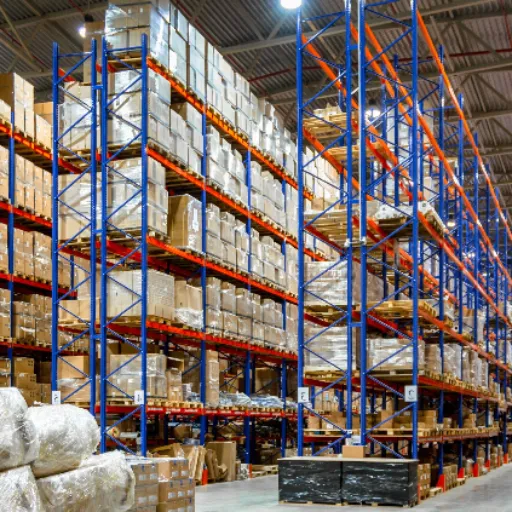
Industries Benefiting from Stackable Pallet Racks
1. Warehousing and Logistics
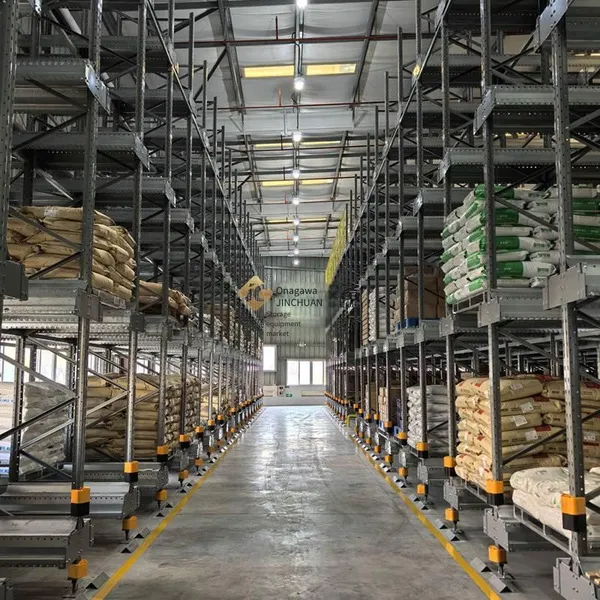
The warehouse and logistics industry requires stackable racks as vital equipment because these racks enable operations to effectively manage their inventory throughout their entire warehouse spaces. The racks create a system which enables users to stack pallets thus users can utilize the complete overhead space while gaining improved access to their stored materials. The Market Research Future report forecasts that the global warehouse racking market will grow at a 5.9 percent annual rate from 2023 to 2030 because logistics operations increasingly require stackable storage solutions.
2. Food and Beverage Industry
The food and beverage industry uses stackable pallet racks because these storage systems maintain product cleanliness while providing permanent storage solutions which remain accessible throughout their lifespan. The racks allow businesses to execute successful inventory management systems which protect all types of products including perishable and non-perishable items. The IBISWorld report shows that U. S. food storage facilities achieved a 3.8% revenue growth in 2022 because new storage technologies such as pallet racks created more efficient storage solutions.
3. Retail and E-commerce
E-commerce expansion forces retail businesses to handle greater inventory levels than they have ever done before. Fulfillment centers implement stackable racks to enhance spatial efficiency while simultaneously improving order picking capabilities for their employees.
4. Manufacturing Industry
Manufacturers use stackable pallet racks to keep their materials and products organized. The solutions enable companies to decrease operational interruptions through better material organization which leads to smoother operational processes. The manufacturing sector's international growth will drive demand for industrial racking systems which include stackable racking solutions according to a study conducted by Grand View Research.
Specific Use Cases in Logistics
E-Commerce Warehousing: Warehouses use stackable racks to achieve their highest vertical storage capacity which results in better inventory flow while enabling them to manage their maximum online order demands during peak business times.
Cold Storage Facilities: The demand for cold storage solutions has increased because of the rising need for perishable goods which encompass both pharmaceuticals and food products. Businesses use stackable pallet racks which function in temperature-controlled environments as space-saving solutions to store their frozen and refrigerated products according to strict regulatory standards.
Automotive Industry: Automotive manufacturing and parts distribution require precise inventory handling due to the diversity of components. Stackable racks provide a storage system which allows users to store different types of items that have various dimensions and weights thus improving both the picking process and the assembly operation.
Retail Supply Chains: Seasonal demand changes create a need for retail supply chains to use stackable pallet racks because these racks provide them with flexible storage solutions. Recent research shows that businesses that implement adaptable storage systems experience a 20% reduction in inventory loss while they achieve a 30% decrease in their time required to restock items.
Agriculture Sector: The agriculture industry needs bulk storage solutions which stackable racks provide as an effective method to store seasonal agricultural products such as grains and other crops. Recent advancements in rural logistics have created the need for scalability in storage solutions thus this method minimizes spoilage while enabling quick market distribution.
Frequently Asked Questions (FAQs)
How do stack racks and stack rack systems optimize pallet storage in a warehouse?
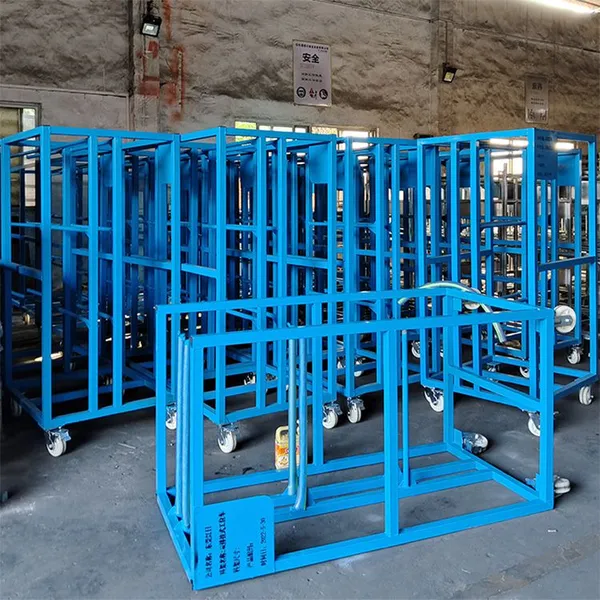
Stack racks and a well-constructed stack rack system create maximum storage capacity because their design permits vertical pallet stacking which creates additional space on the warehouse floor. The heavy-duty stackable design allows you to store pallets and wooden pallets between one and six units high because these stackable storage solutions permit stacking of their storage units. The system lets users handle units through stacking and nesting and transportation which leads to improved warehouse operations and space optimization without the need for permanent storage solutions.
What are the advantages of portable stack racks and portable stackable industrial units for material handling?
Portable stack racks and portable stackable industrial products provide organizations with storage solutions that enable them to move their operations between different areas. The portable racks allow warehouse workers to move equipment between different areas and set up temporary workspaces which makes them suitable for workplaces that experience frequent changes in their shipping rack and pallet stacking operations. Stac-king portable racks and other portable rack designs provide superior stacking stability and can be fitted with forklift access to move full units, improving material handling and enabling a flexible warehouse layout.
Can used stack racks and used pallet racks safely store pallets and still save costs?
Used stack racks and used pallet racks provide customers with budget-friendly storage options when operators conduct proper equipment checks and maintain all items according to safety standards. Used equipment provides customers with substantial cost reductions while delivering strong capacity for storing pallets and industrial shelving needs. When buying used stack racks, confirm that racks include intact welds, no excessive corrosion, and load ratings are documented. The correct usage of the rack system enables safe pallet stacking while meeting all essential warehouse safety standards.
How do stackable drum racks, shipping racks, and nestable designs differ for specialized applications?
Stackable drum racks exist as products which manufacturers created to hold cylindrical drums through their development of cradle-style bases and secure tie-down points. Shipping racks focus on making their products stable during transport which enables them to create features that make their products suitable for loading onto trucks or containers. The nested designs enable storage space savings because empty units require less room—many stackable rack systems nest together to create compact storage. The choice between these options requires you to assess which stack rack type matches your requirement for drum storage or shipping-based transport or space-saving return logistics through nestable systems.
What are the common applications of stack racks for warehouse, automotive, and industrial use?
Stack racks have versatile applications which include warehouse racking systems that store pallets and facilities that store automotive parts which include tire racks and manufacturing cells and distribution centers. Industrial stack racks provide businesses with flexible storage options to store both parts and assemblies and standard pallet shipments. The design of stack racks allows vertical stacking and modular reconfiguration which enables their use in flexible warehouse environments that require different types of inventory storage.
Recently Posted
-
Logistics Metal Cages and Pallets: Revolutionizing Material Handling in Supply Chains
March 11, 2026The success of a supply chain operation depends on its capacity to handle materials efficiently. The industry sector needs to enha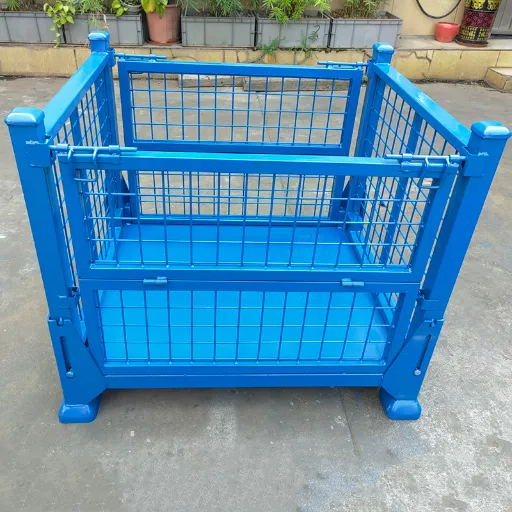 Read More
 -
Warehouse Rack & Metal Shelving: Effective Storage Solutions for Pallet
March 10, 2026Effective storage solutions underpin any well-organized warehouse or industrial facility. As the demand for streamlined operations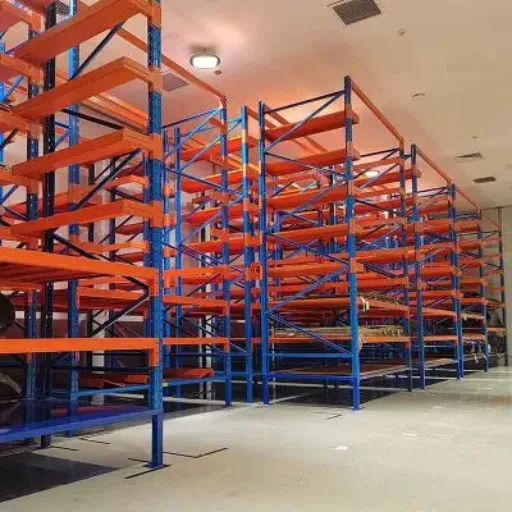 Read More
 -
Gravity Flow Racking: FIFO Carton Flow Shelve Systems
March 10, 2026Proper inventory management is the key to any successful warehouse operation, which is why choosing the right storage solutions is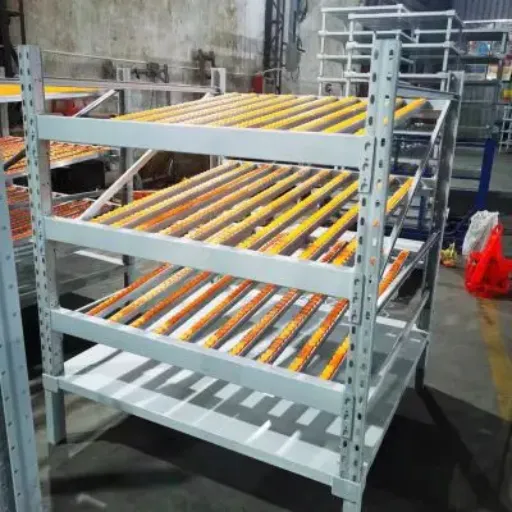 Read More
 -
Portable Stackable Pallet Rack for Warehouse Storage: Optimize Your Space
March 10, 2026For every warehouse or industrial facility some of the aims are to make sure storage spaces are the largest and arranged in the mo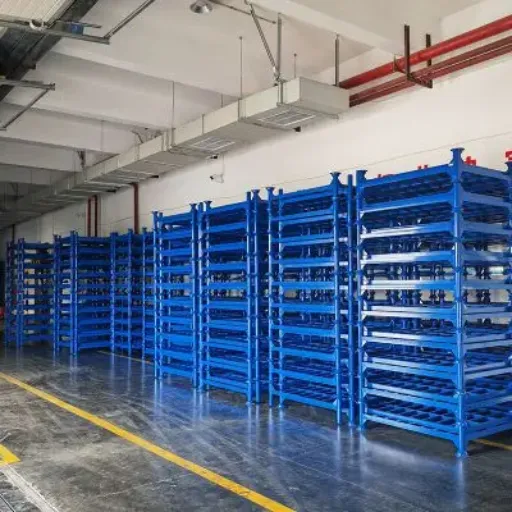 Read More

Contact Us
Recommended Products
-
 Robust Drive-in Pallet Racking for High-Density Warehouse StorageNegotiableMOQ: 1 Kilogram
 -
Corrosion-Resistant Metal Stacking Racks for Chemical Plant UseNegotiableMOQ: 500 Sets
-
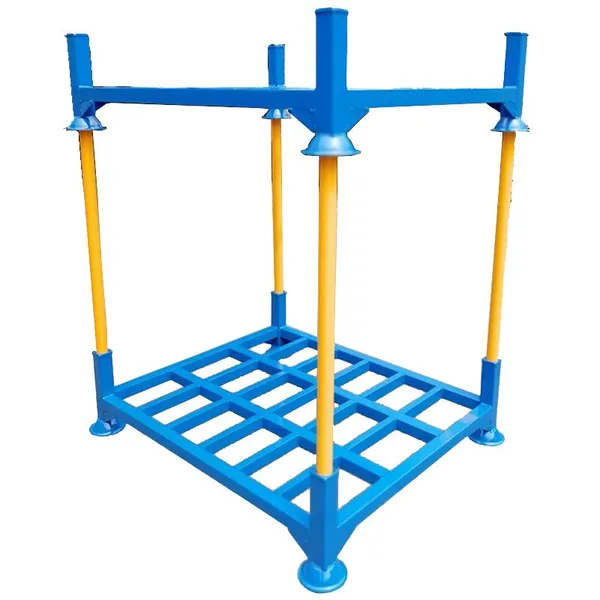
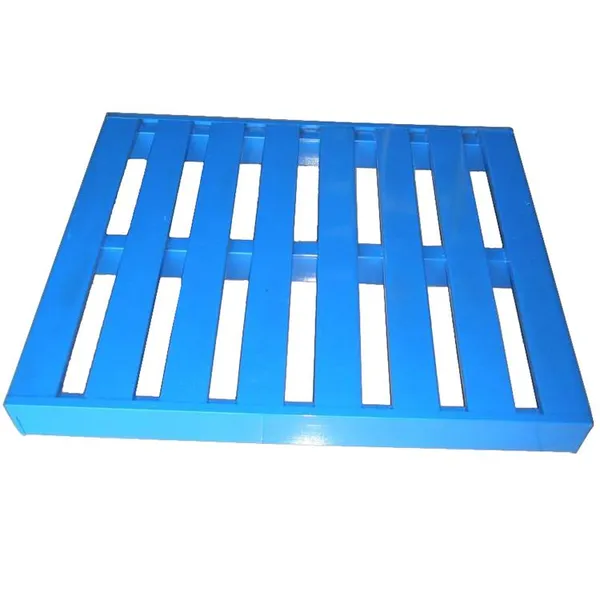
Stackable Steel Pallets Space Saving Metal Pallet for Industrial Warehouse ManagementNegotiableMOQ: 100 Pieces
-
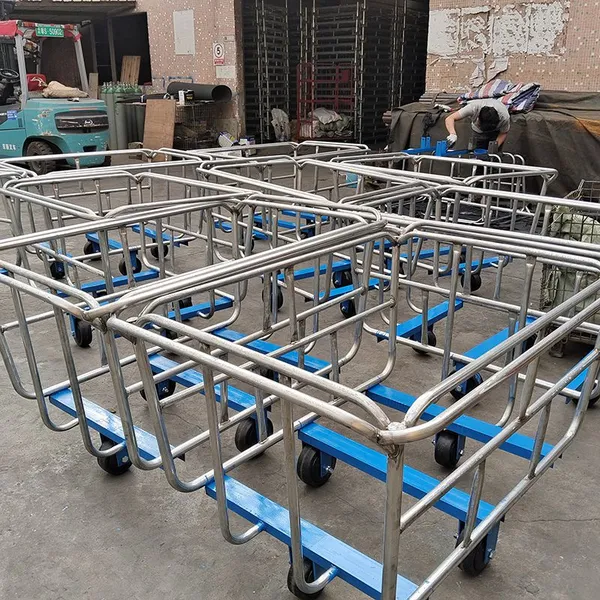
Industrial Steel Mesh Trolley With Reinforced Frame for Laundry and Garment FactoriesNegotiableMOQ: 500 Sets
-
Heavy Duty Wire Mesh Cage With 2mm Wire Diameter for Construction UseNegotiableMOQ: 50 Sets
-
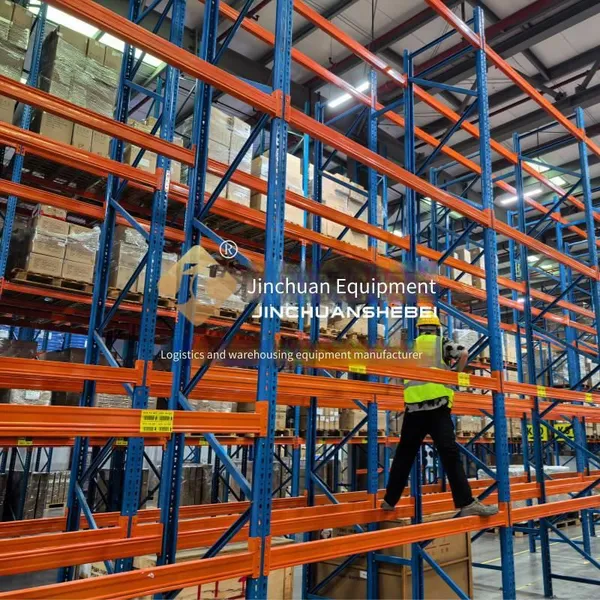
Jinchuan Steel Beam-type Shelves - Universal, Efficient, Random Access, High-level Heavy-duty Storage Racks With Customizable SizesUS$ 90.77 - 92.31MOQ: 10 Sets
-
Multi-Purpose Stackable Plastic Storage Bins for Warehouse and Farm ApplicationsNegotiableMOQ: 10 Sets
-
Steel Textile Roll Storage Rack for Carpet and Warehouse OrganizationNegotiableMOQ: 100 Sets
-
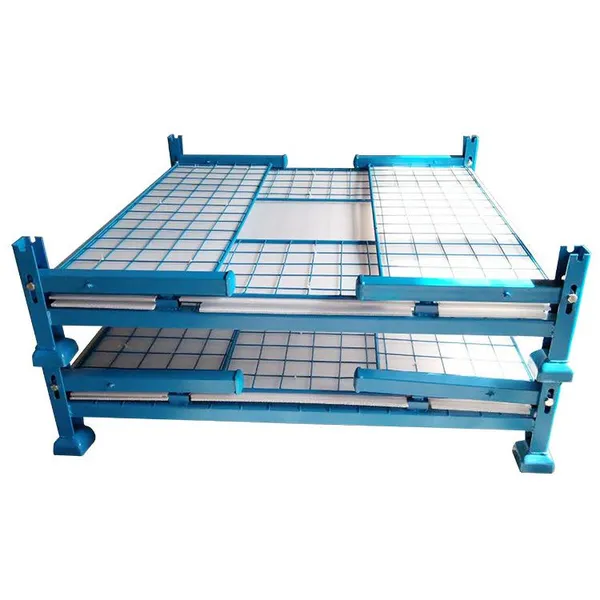
Stackable Storage Cage for Pharmaceutical Warehouse ComplianceNegotiableMOQ: 50 Sets
-
Industrial Metal Stacking Racks for Automotive Parts StorageNegotiableMOQ: 500 Sets
-
Custom Sized Wire Mesh Cage for Industrial Parts and Tool OrganizationNegotiableMOQ: 50 Sets
-
Standard Compliant Wire Mesh Cage With Mill Test Report for Quality AssuranceNegotiableMOQ: 50 Sets
-
Jinchuan Non-standard Steel Lean Tube Trolley, Flexible Customization, Strong Adaptability, Easy Assembly, Flexible TransformationUS$ 121.54 - 123.08MOQ: 10
-
Jinchuan Non-standard Agv Steel Pallet Buffer Storage Rack, Intelligent Docking, Efficient Circulation, Flexible Buffering, Reducing Manual HandlingUS$ 121.54 - 123.08MOQ: 50 Sets
-
Jinchuan Steel Ctu Material Box Robot Shelving With Adjustable Layer Height, Suitable for High-density Storage of Small Items in Multiple CategoriesUS$ 136.92 - 138.46MOQ: 10 Sets
-
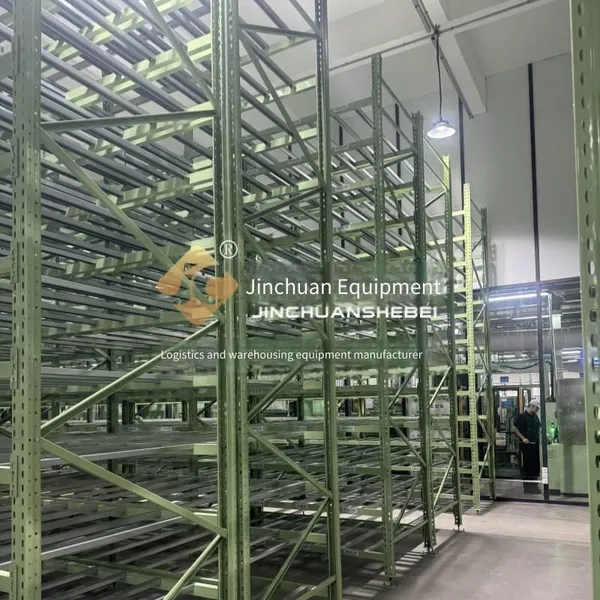
Jinchuan Warehouse High - Rise Stereo Warehouse Shelves, Intelligent Collaboration, Automated and Efficient Operation, Heavy - Load and Stable, Safe and ReliableUS$ 121.54 - 123.08MOQ: 10 Sets
-
Heavy-Duty Industrial Profile Stacking Cart, Galvanized Steel Rolling Trolley for Aluminum Extrusion TransportNegotiableMOQ: 10 Pieces
-
Jinchuan Steel Heavy-duty Shuttle Rack With Flexible Storage Mode for Automatic Goods Access and Remote ControlUS$ 121.54 - 123.08MOQ: 10 Sets
-
Aluminum Alloy Logistics Trolley for Warehouse & ManufacturingNegotiableMOQ: 10 Sets
-
Heavy-Duty Warehouse Storage Racks for Robot Systems - Metal ConstructionNegotiableMOQ: 50 Pieces